
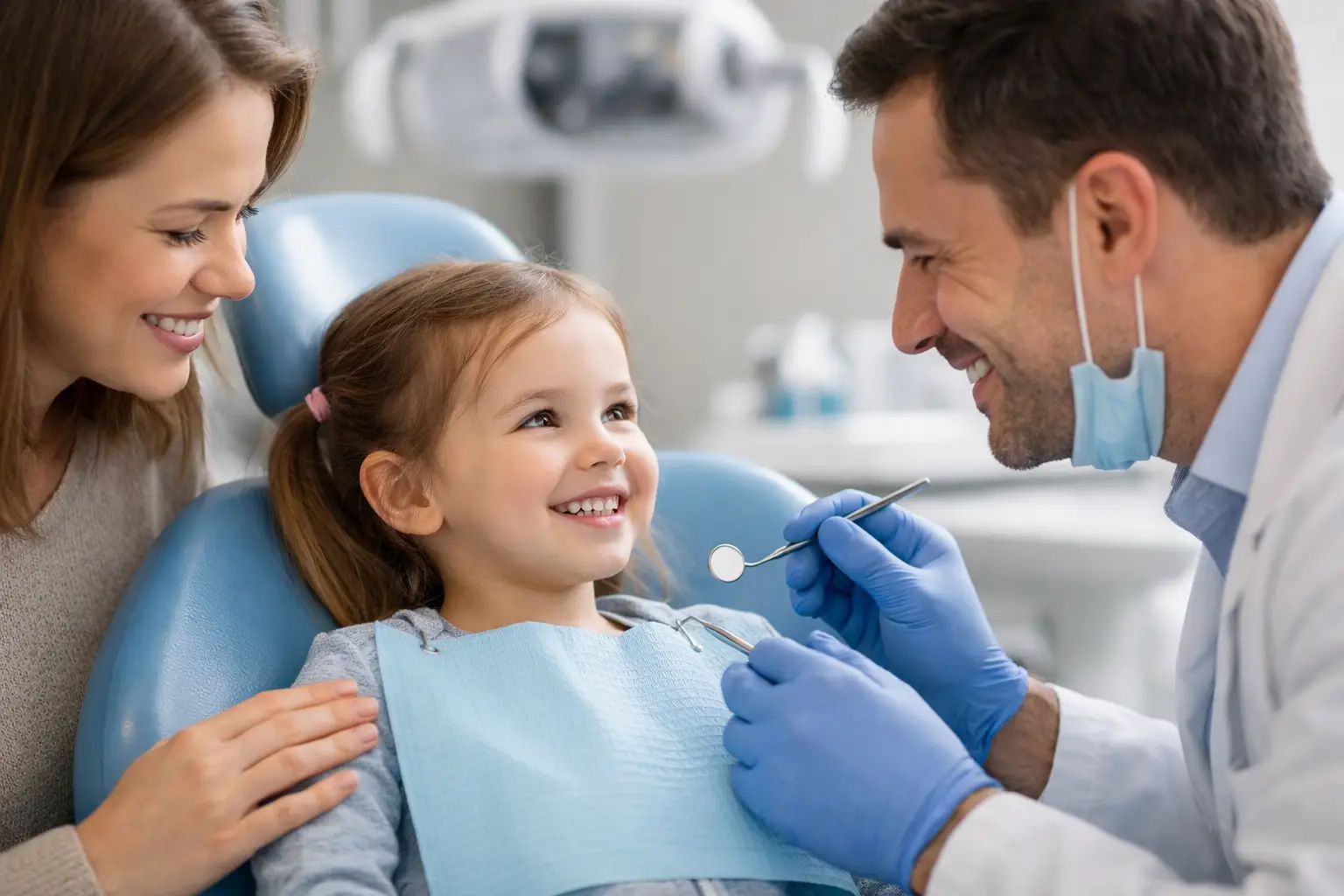
A first tooth is small, but it marks the beginning of a child’s dental health story. Many parents wonder when should kids see a dentist, especially when their child seems comfortable, has no visible cavities, and is still far from losing baby teeth. The answer is earlier than many families expect: a child should have a first dental visit by their first birthday or within six months of the first tooth coming in.
That early appointment is not about looking for problems or making a child sit through a complicated procedure. It is a chance to start with calm, gentle preventive care, answer questions, and help your child learn that the dental office is a safe place.
When Should Kids See a Dentist for the First Time?
The American Academy of Pediatric Dentistry recommends a first dental visit by age 1. For some children, that may mean a visit with only one or two teeth. For others, several baby teeth may already be present. Either way, the timing gives a dentist an opportunity to check that teeth and gums are developing as expected and discuss the habits that protect a growing smile.
Baby teeth matter. They help children chew, speak clearly, and hold space for permanent teeth. A cavity in a baby tooth can cause pain, infection, missed school, sleep disruption, and difficulty eating. Early dental visits help families spot concerns before they become urgent or more costly to treat.
Starting early also makes future appointments easier. A child who has had a few positive, low-pressure checkups is often more comfortable returning for cleanings, X-rays, sealants, or treatment if it is ever needed.
What Happens at a Child’s First Dental Visit?
For an infant or toddler, the first visit is usually brief and parent-focused. Your dentist will review your child’s medical history, look at the teeth and gums, assess bite and jaw development, and check for signs of early decay or developmental concerns.
The visit is also a conversation. Parents can ask about brushing, fluoride, thumb sucking, pacifier use, teething, diet, bottle habits, and whether their child is getting enough fluoride protection. Depending on a child’s age, risk factors, and cooperation level, a dentist may recommend fluoride varnish or discuss a personalized prevention plan.
Young children do not need to perform perfectly at the appointment. They may cry, wiggle, or need to sit on a parent’s lap. That is normal. A caring dental team will work at the child’s pace and focus on building familiarity rather than forcing an experience that feels overwhelming.
How Often Should Children Go to the Dentist?
After the first visit, many children benefit from checkups every six months. This schedule allows the dental team to monitor rapid changes in the mouth, remove plaque buildup, reinforce brushing habits, and identify early signs of decay.
However, every child is different. A child with a history of cavities, weak enamel, frequent snacking, orthodontic concerns, or a medical condition that affects oral health may need more frequent visits. A child with a low cavity risk may need a simpler preventive plan. Your dentist can recommend an interval based on your child’s individual needs rather than applying a one-size-fits-all schedule.
As children grow, regular visits also create natural opportunities to talk about sports mouthguards, sealants on permanent molars, orthodontic development, wisdom teeth, and the transition into adult dental care.
Signs Your Child Should See a Dentist Sooner
Routine preventive visits are the goal, but some symptoms should not wait for the next checkup. Call a dentist if your child has tooth pain, a chipped or broken tooth, swelling in the gums or face, a knocked-out tooth, bleeding that does not stop, or a sore that does not heal.
You should also schedule an appointment if you notice white, brown, or black spots on teeth. Early childhood cavities can begin as faint white areas near the gumline, particularly on the front teeth. These early changes may not hurt yet, but they deserve attention.
Other reasons to call include persistent bad breath, difficulty chewing, sensitivity to hot or cold foods, delayed tooth eruption, crowding, or a habit such as thumb sucking that continues beyond the toddler years. Not every concern leads to treatment. Often, an examination provides reassurance and a plan for monitoring. But waiting for pain can make a small concern more complicated.
What About a Dental Emergency?
Children are active, and dental injuries can happen on the playground, during sports, or at home. If a permanent tooth is knocked out, handle it by the crown, not the root, and contact a dentist right away. If it is clean, gently place it back in the socket if you can do so safely. If not, store it in milk or a tooth preservation solution and seek immediate care.
A knocked-out baby tooth should not be placed back in the socket because doing so can affect the developing permanent tooth underneath. Still, call promptly for guidance. For broken teeth, swelling, severe pain, or a possible infection, same-day evaluation can help protect your child’s comfort and oral health.
Simple Habits That Protect Baby Teeth
Dental care begins before children can brush on their own. Wipe an infant’s gums gently with a clean, soft cloth after feedings. Once the first tooth appears, use a small, soft-bristled toothbrush and a rice-sized smear of fluoride toothpaste twice a day.
From age 3 through 6, use a pea-sized amount of fluoride toothpaste. Parents should help with brushing and supervise closely, since young children often do not have the hand skills to clean thoroughly or avoid swallowing toothpaste. Encourage children to spit when they are ready, but do not rinse heavily afterward, since a small amount of fluoride left on the teeth can continue to help protect enamel.
Diet matters, too. Frequent exposure to sugary drinks and snacks raises cavity risk, even if the total amount of sugar does not seem extreme. Water between meals is a better everyday choice than juice, sports drinks, soda, or sweetened milk. Bedtime bottles or sippy cups should contain water only after teeth have been brushed.
A practical routine can make a real difference:
- Brush twice a day with age-appropriate fluoride toothpaste.
- Help children brush until they can tie their own shoes well.
- Floss once daily when teeth touch side by side.
- Keep sweet drinks and sticky snacks occasional rather than all-day habits.
- Bring children in for preventive visits before discomfort starts.
Making Dental Visits Easier for Nervous Children
A child’s feelings about the dentist often begin with the adults around them. Try to describe the visit in simple, positive terms. You might say the dentist will count their teeth and help keep their smile strong. Avoid using frightening words or promising that nothing will happen, since children may become more anxious if the visit feels different than expected.
Choose an appointment time when your child is usually rested and fed. Bring a comfort item if it helps, and let the team know if your child has sensory sensitivities, a previous difficult medical experience, or anxiety. Small adjustments can make a meaningful difference.
At Dental Care of Plano, families can find comprehensive care in one comfortable setting, with a gentle approach that helps children and parents feel heard. Whether your child needs a first checkup, preventive care, help with a cavity, or prompt attention after an injury, the goal is the same: clear answers, thoughtful treatment, and a positive experience.
Your child does not need to wait for a toothache to begin dental care. A calm first visit, scheduled around the first birthday, can give your family a trusted starting point and help protect that growing smile for years to come.