
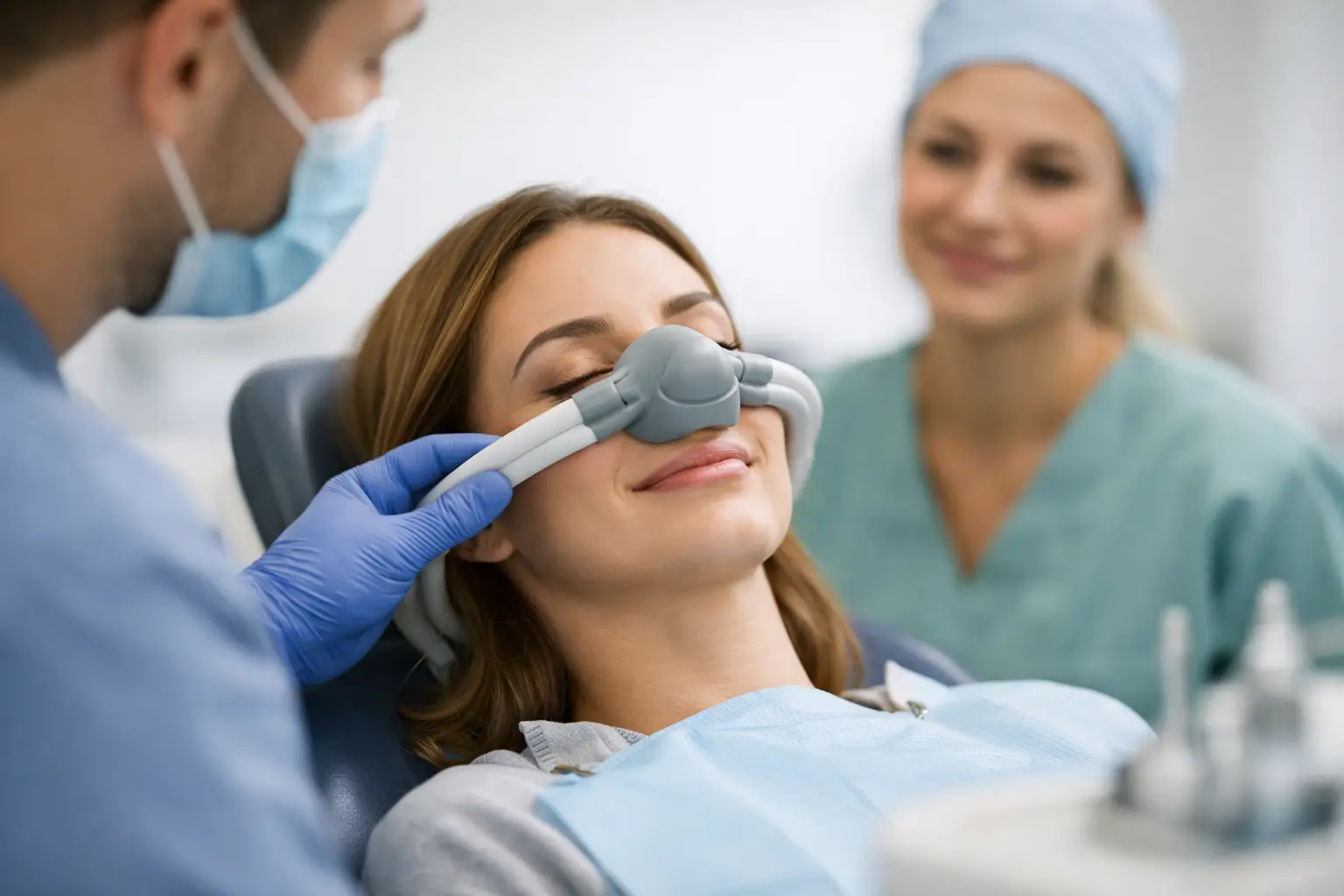
A patient who has put off a crown, root canal, or even a routine cleaning because of fear is not being difficult. Dental anxiety is real, and it can make needed care feel impossible. So, is sedation dentistry safe? For most appropriately selected patients, sedation can be a safe and effective way to receive dental treatment more comfortably when it is planned, administered, and monitored by a qualified dental team.
Safety is not about giving every patient the same medication or level of sedation. It is about understanding your health, choosing the right approach for the procedure, following preparation instructions, and monitoring you carefully from start to finish.
Is Sedation Dentistry Safe for Most Patients?
Sedation dentistry is generally safe when a dentist reviews the patient’s medical history, medication list, allergies, and treatment needs beforehand. The goal is not necessarily to put someone fully asleep. In many cases, the goal is simply to ease anxiety, reduce awareness of time, and help the patient remain calm and comfortable during care.
The right option depends on the individual. A healthy adult who is anxious about a longer procedure may be a good candidate for sedation. A child, an older adult, or someone with certain medical conditions may need a different approach, added precautions, or medical clearance before treatment. This personalized planning is one reason a pre-treatment consultation matters.
No medical treatment is completely risk-free, including dental sedation. Possible side effects can include drowsiness, dizziness, nausea, temporary memory gaps, or delayed reaction time. More serious complications are uncommon, but the risk can increase when sedation is not matched carefully to the patient’s health history, when instructions are not followed, or when sedating medications are combined with alcohol or certain drugs.
The Level of Sedation Makes a Difference
“Sedation dentistry” is a broad term. There are several levels of sedation, and they do not all feel the same.
Nitrous Oxide
Nitrous oxide, often called laughing gas, is inhaled through a small mask over the nose. It can help patients feel relaxed while remaining awake and able to respond to the dentist. Its effects typically wear off quickly after the gas is stopped, which makes it a practical option for many patients with mild to moderate anxiety.
Oral Sedation
Oral sedation involves taking a prescribed medication before the appointment. Patients are usually awake, but they may feel deeply relaxed, sleepy, and less aware of the sounds and details of treatment. Because the medication can affect coordination and judgment for hours, patients need a responsible adult to drive them home and stay with them as directed.
IV Sedation
IV sedation is delivered through a vein and can provide a deeper level of relaxation. It may be considered for patients with significant anxiety, a strong gag reflex, extensive treatment needs, or procedures such as extractions. IV sedation requires careful monitoring throughout the appointment and specific training and safety protocols.
General anesthesia is different from the options above. It places a patient into a controlled state of unconsciousness and is usually reserved for certain surgical situations or specialized settings. Your dentist can explain whether sedation in the dental office or treatment with another provider is the appropriate route for your needs.
What Makes Sedation Dentistry Safer?
A comfortable experience starts long before the appointment begins. Your dental team should take time to understand your complete health picture instead of treating sedation as a one-size-fits-all solution.
Before recommending sedation, the dentist may ask about heart, lung, liver, kidney, and breathing conditions, including sleep apnea. They should also review prior reactions to anesthesia or sedation, current prescriptions, over-the-counter medications, supplements, tobacco use, alcohol use, and recreational substances. Pregnancy, body weight, age, and fasting requirements can also affect the recommendation.
During treatment, safety relies on appropriate monitoring. Depending on the type and level of sedation, the team may monitor breathing, oxygen levels, heart rate, blood pressure, and responsiveness. The office should also have emergency equipment, trained staff, and clear procedures in place for responding to an unexpected reaction.
Just as important, the dental team should use the lowest effective level of sedation for the planned procedure. If a patient can have a positive experience with calming communication, local anesthetic, breaks, and nitrous oxide, there may be no reason to choose deeper sedation. Conservative care includes avoiding more medication than necessary.
Who May Need Extra Precautions?
Some patients can still receive sedation safely, but they may need additional planning. This includes people with uncontrolled high blood pressure, heart disease, respiratory conditions, sleep apnea, diabetes, liver or kidney disease, or a history of substance use disorder. Patients taking opioids, anti-anxiety medication, sleep medication, blood thinners, or certain antidepressants should be especially thorough when sharing their medication information.
Never stop a prescribed medication on your own because you have a dental appointment. Instead, tell the dental team exactly what you take and when you take it. If coordination with your physician is needed, it is better to arrange that before the day of treatment.
Children also require careful evaluation. Pediatric sedation is based on a child’s age, weight, medical history, level of cooperation, and the procedure being performed. Parents should feel comfortable asking why a particular option is recommended and what monitoring will be used.
How to Prepare for a Sedation Appointment
Your role in safety is meaningful. Follow the instructions you receive about eating, drinking, and taking routine medications. Fasting rules vary by the type of sedation, so do not rely on advice from a friend or an old appointment. Ask if anything is unclear.
Arrange transportation before the appointment if you are receiving oral or IV sedation. Do not plan to drive, return to work, sign important documents, operate equipment, or make major decisions that day. Wear comfortable clothing, arrive with your health information, and bring a trusted adult if requested.
Avoid alcohol, cannabis, and non-prescribed substances before sedation. These can interact with sedative medications in unpredictable ways. Be honest about use, even if it feels uncomfortable to discuss. Your care team is asking to protect you, not to judge you.
After treatment, rest at home and follow the post-operative instructions. Mild sleepiness can be expected with some forms of sedation. Call the dental office promptly if you have trouble breathing, persistent vomiting, severe confusion, a rash, chest pain, or any symptom that feels urgent or unusual. For a medical emergency, call 911.
Questions Worth Asking Before You Agree
Feeling informed can reduce anxiety before treatment. Ask what type of sedation is being recommended, why it fits your situation, and what you should expect to feel during and after the appointment. You can also ask about the provider’s training, the monitoring used during treatment, fasting instructions, and whether you need an escort home.
It is also reasonable to discuss cost in advance. Sedation may be billed separately from the dental procedure, and insurance coverage varies. A clear estimate helps families make a decision without surprises and explore financing options when needed.
At Dental Care of Plano, the conversation begins with your comfort, health history, and treatment goals. Whether you need help getting through a cleaning or are preparing for more involved dental care, the right plan should feel clear, respectful, and tailored to you.
If fear has kept you from addressing tooth pain, gum concerns, or overdue treatment, do not assume you have to push through it alone. Schedule a consultation, share what worries you most, and let your dental team help you choose a calm, safe path forward.