
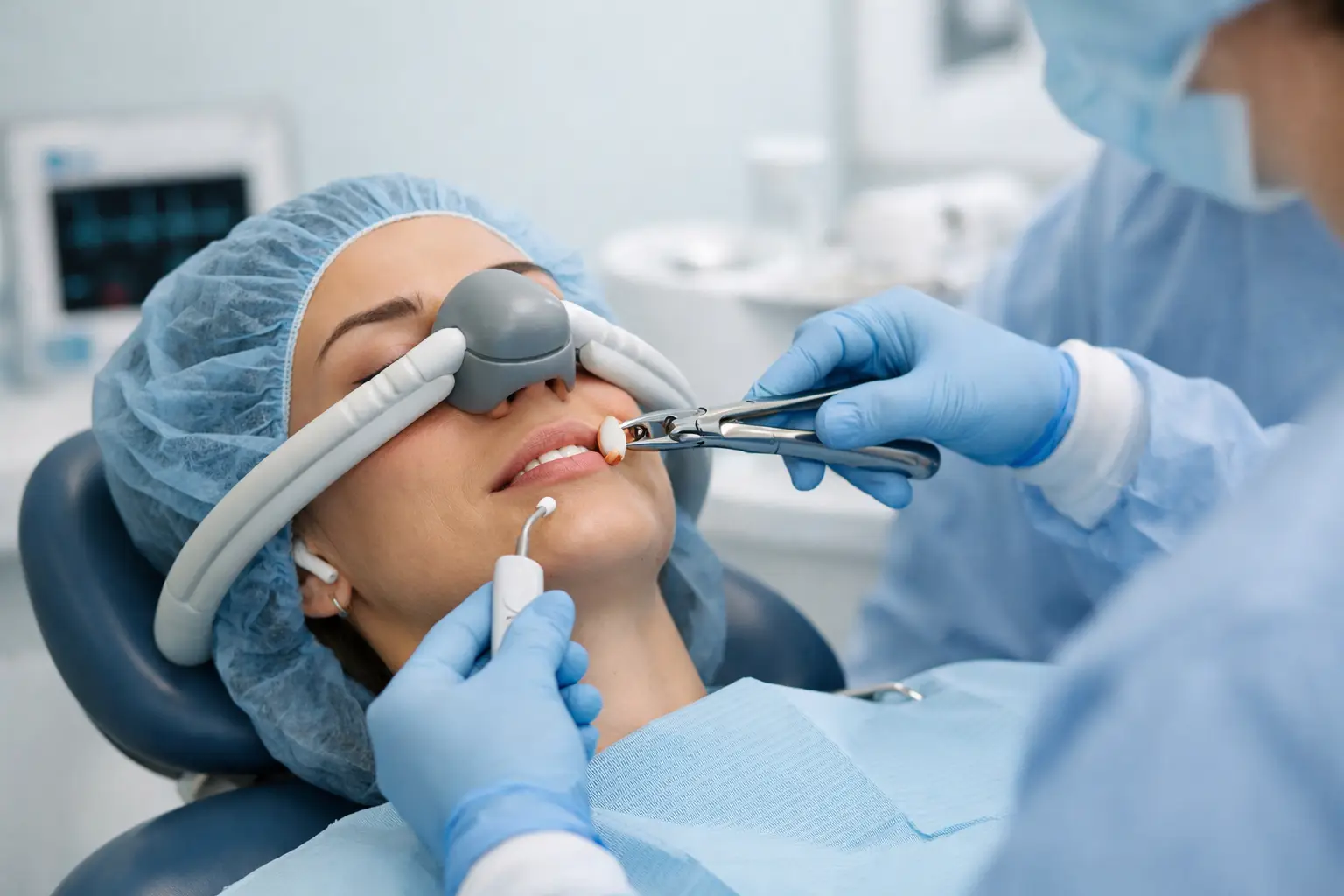
A lot of people can handle a routine dental visit just fine – until they hear the word extraction. If that thought alone makes your stomach drop, tooth extraction with sedation can make the experience feel far more manageable, comfortable, and less stressful than you may expect.
For many patients, the hardest part is not the procedure itself. It is the anticipation. Fear of pain, a strong gag reflex, difficulty getting numb, or a past bad experience can turn a needed extraction into something people put off for months. That delay often leads to more pain, more infection, and more complicated treatment later.
Sedation helps remove one of the biggest barriers to care. Instead of white-knuckling your way through the appointment, you can get the treatment you need in a calmer state, with a dental team focused on keeping you safe and comfortable from start to finish.
Why patients choose tooth extraction with sedation
There is no single reason people ask for sedation. Some have dental anxiety that starts days before the appointment. Others have sensitive teeth, trouble sitting still for long procedures, or a strong fear of injections and surgical sounds. Parents may also ask about sedation options for older teens having wisdom teeth removed.
Tooth extraction with sedation is often a good fit when comfort is just as important as the treatment itself. It can help patients relax, feel less aware of the procedure, and make time seem to pass more quickly. In some cases, it also allows the dentist to complete care more efficiently because the patient is more at ease.
That said, sedation is not the same for everyone. The right option depends on your health history, the type of extraction, your level of anxiety, and whether someone can drive you home afterward. A trustworthy dental office will review all of that before recommending anything.
What sedation usually means in a dental office
When people hear sedation, they sometimes assume they will be fully asleep. In many general dental settings, that is not usually the case. Most sedation options are designed to help you feel deeply relaxed, not necessarily unconscious.
Nitrous oxide, often called laughing gas, is one of the lightest forms. You breathe it in through a small nose mask, and it helps take the edge off anxiety while still allowing you to respond to the dentist. The effects wear off quickly, which makes it a practical option for many adults with busy schedules.
Oral conscious sedation is stronger. This involves prescribed medication taken before the appointment so you arrive feeling much more relaxed. You may feel drowsy and remember very little about the procedure, but you are still able to respond to instructions. Because the effects last longer, you will need a ride home.
Some practices also offer IV sedation or coordinate higher levels of sedation for more complex cases. Whether that is appropriate depends on the procedure, the provider’s training, and your medical background. The best approach is the one that matches your needs without going beyond what is necessary.
When sedation makes the most sense
Not every extraction requires sedation, and that is part of an honest conversation. A simple loose tooth or straightforward extraction may be manageable with local anesthetic alone, especially if you are comfortable in the dental chair.
Sedation becomes more valuable when the case is more involved or the patient’s anxiety is high. Wisdom teeth, broken teeth at the gumline, infected teeth, or extractions that require more surgical work can all make patients more nervous. If you have avoided dental care for years and feel embarrassed or overwhelmed, sedation can also make it easier to finally move forward.
There are practical reasons too. If several teeth need treatment in one visit, being sedated may help the appointment feel shorter and easier. For busy parents and working adults, that can mean fewer visits and less disruption.
What happens before a sedated extraction
A safe, comfortable visit starts before the day of treatment. Your dentist will usually review your medical history, medications, allergies, and any conditions that could affect sedation, such as sleep apnea, breathing issues, or heart concerns. This step matters. Sedation should always be planned carefully, not treated like an add-on.
You should also expect a clear explanation of the extraction itself. That includes why the tooth needs to come out, whether there are alternatives, what type of sedation is available, and what recovery may look like. If cost is a concern, ask early. A good office will explain what may be covered by insurance and whether financing is available.
If you are receiving oral sedation or another stronger method, you will likely get instructions about eating, drinking, and arranging transportation. Following those directions closely helps the appointment go smoothly and lowers the risk of complications.
What the appointment feels like
The fear many patients have is that they will still feel everything. In reality, sedation and local anesthetic work together. Sedation helps you relax, while local anesthetic numbs the area so you do not feel sharp pain during the extraction.
You may still notice pressure or movement. That is normal. Teeth are anchored in bone and ligament, so removing them often involves some pushing and loosening. Most patients describe the experience as much easier than they imagined, especially when anxiety is controlled.
If you are under nitrous oxide, you may feel calm, light, or slightly detached from the moment. With oral sedation, many patients feel sleepy and report that the visit passes in a blur. The dental team will continue monitoring you and checking your comfort throughout the procedure.
In a modern, patient-focused office, the environment makes a difference too. Small details like a calm setting, a gentle chairside manner, and clear communication can lower stress before sedation even begins. That combination matters more than people realize.
Recovery after tooth extraction with sedation
Recovery depends on both the extraction and the type of sedation used. If you had nitrous oxide, you may feel back to normal fairly quickly. With oral sedation or stronger options, you should plan for a slower day. Rest, avoid driving, and follow the instructions you are given.
The extraction site itself will usually be sore for a few days. Swelling, mild bleeding, and tenderness are common early on. Most patients do best with soft foods, plenty of fluids, and careful home care. You will also want to avoid smoking, drinking through a straw, or anything else that could disturb the clot and lead to dry socket.
Pain after an extraction is usually most manageable when instructions are followed from the beginning, rather than waiting until the numbness wears off completely. If you receive medication recommendations, take them as directed. If something feels off – severe pain, heavy bleeding, fever, or swelling that worsens instead of improves – call the office.
Questions worth asking before you schedule
Patients often feel better when they know what to ask. It is reasonable to ask which sedation options are available, how the office decides which one fits best, what you should do the night before, and how long recovery may keep you away from work or school.
You can also ask whether the treatment will be done in one visit, whether a replacement option like an implant or bridge should be planned later, and what the full cost may include. These are not difficult questions. They are the kind of practical details that help people feel more in control.
If you have had trouble getting numb in the past, mention that too. The same goes for anxiety, panic attacks, or any bad dental experience. The more your dentist knows, the better they can tailor the visit to you.
Comfort matters as much as treatment
There is a tendency to treat fear like something patients should just push through. In reality, comfort is part of good care. When people feel safe and supported, they are more likely to get treatment early, keep follow-up visits, and stay healthier over time.
That is one reason many families look for a dental home that can handle both routine care and more advanced procedures in one place. At Dental Care of Plano, that patient-first approach matters because it helps busy adults and anxious patients get the care they need without feeling shuffled around or overwhelmed.
If you need an extraction, the goal is not simply to remove a tooth. It is to help you get through the experience with less fear, less discomfort, and more confidence about coming back when you need care again. Sometimes that starts with sedation, but it always starts with being heard.