
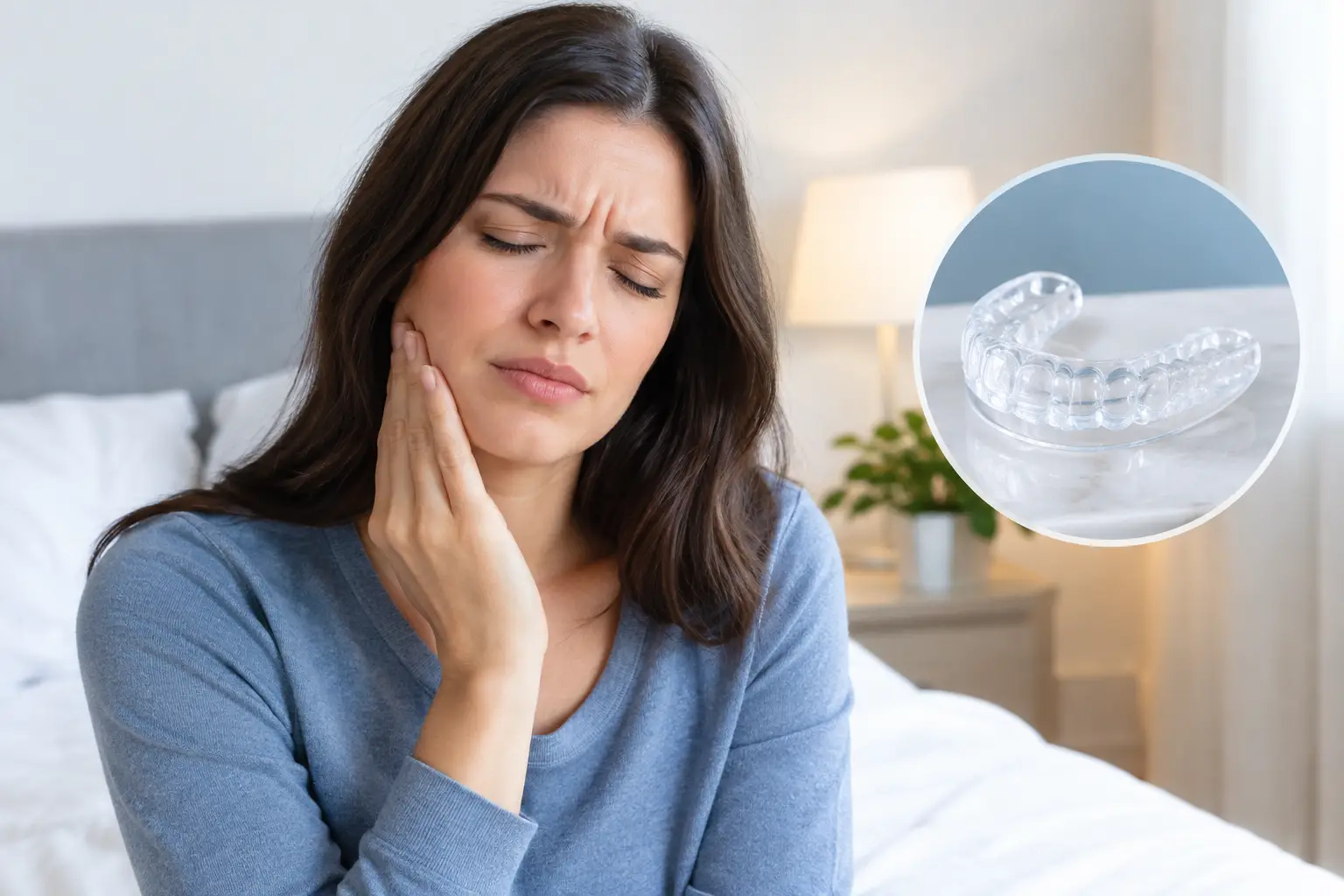
A sore jaw when you wake up, headaches near your temples, or teeth that suddenly feel sensitive can be easy to dismiss as stress. But these can be signs of bruxism, the clinical term for clenching or grinding your teeth. Learning how to stop teeth grinding starts with understanding when it happens and what may be driving it. You may not be able to fully control nighttime grinding on your own, but you can protect your teeth and reduce the strain on your jaw.
Why teeth grinding deserves attention
Grinding places far more pressure on teeth than normal chewing. Over time, that force can wear down enamel, flatten tooth edges, loosen or crack dental work, and contribute to gum recession. It can also overwork the jaw muscles and temporomandibular joints, often called the TMJ.
Daytime clenching is usually more noticeable. You may catch yourself pressing your teeth together while answering emails, sitting in traffic, exercising, or concentrating. Sleep-related grinding is different because it can happen without your awareness. A partner may hear a scraping sound at night, but many people learn about it only after a dentist sees wear patterns, small chips, or stress fractures.
The goal is not simply to silence the grinding sound. It is to reduce triggers where possible and keep the pressure from damaging your teeth, jaw, and existing dental work.
How to stop teeth grinding during the day
Your teeth should touch only briefly when you are chewing or swallowing. At rest, your lips can be together, but your upper and lower teeth should be slightly apart. This simple position gives your jaw muscles a chance to relax.
Start by checking in with yourself at predictable points in the day: when you open your computer, take a phone call, stop at a red light, or refill your water. If your teeth are touching, let your jaw drop slightly and rest the tip of your tongue gently behind your upper front teeth. A reminder on your phone can help turn this into a habit.
Stress is a common contributor, but it is not the only one. Caffeine, nicotine, alcohol, poor sleep, and certain medications may make clenching or grinding more likely for some people. You do not necessarily have to give up coffee altogether. Instead, notice whether late-afternoon caffeine or alcohol close to bedtime seems to worsen your symptoms, then make a gradual adjustment.
Gentle jaw relaxation can also help. Try placing a warm washcloth along the sides of your face for 10 to 15 minutes, followed by slow, comfortable jaw movements. Avoid aggressive stretching or forcing your mouth open when the jaw is painful. Chewing gum, biting pens, and frequently eating very chewy foods can keep already-tired jaw muscles working overtime, so taking a break from them often provides relief.
Nighttime grinding often needs more than willpower
You cannot remind yourself to relax your jaw while asleep. For nighttime bruxism, reducing stress before bed and supporting good sleep habits may lower symptoms, but a protective appliance is often the most reliable way to prevent tooth damage.
A custom night guard is made from impressions or digital scans of your teeth. It creates a durable barrier between the upper and lower teeth and is designed to fit your bite comfortably. A night guard does not always eliminate the muscle activity behind grinding, but it helps distribute the force and protects tooth enamel, crowns, veneers, fillings, and implants from direct contact.
Store-bought guards can be useful as a short-term option for some people, especially when a custom appliance is not immediately available. However, bulky or poorly fitting guards may feel uncomfortable, affect how your teeth meet, or be easy to stop wearing. If you wake with more pain, your bite feels different, or the guard is difficult to keep in place, stop using it and ask your dentist for guidance.
Look for the reason behind the grinding
Teeth grinding can have more than one cause, which is why a dental exam is valuable. Your dentist can check for worn enamel, cracked teeth, bite changes, gum concerns, and tenderness in the jaw muscles. They can also discuss whether your symptoms point toward daytime clenching, sleep bruxism, or a combination of both.
For some patients, sleep quality is a key piece of the puzzle. Snoring, gasping during sleep, daytime fatigue, morning headaches, and restless sleep can be associated with sleep-disordered breathing. Grinding may occur alongside these issues. If those signs are present, your dentist may recommend speaking with your physician or a sleep specialist rather than relying on a night guard alone.
Medication changes should also be discussed with the prescribing clinician. Do not stop a prescription because you suspect it contributes to grinding. A physician can help determine whether another option or adjustment is appropriate.
When jaw pain means you should call a dentist
Make an appointment if you have persistent jaw pain, frequent headaches, tooth sensitivity, chipped teeth, or a tooth that hurts when you bite down. These symptoms can indicate damage that needs treatment before it becomes more involved or more expensive.
Call promptly if you develop facial swelling, severe pain, a broken tooth, or difficulty opening and closing your mouth. A cracked tooth can worsen quickly under repeated pressure, and timely care may improve the chances of preserving it.
At Dental Care of Plano, Dr. Banerjee and the team can evaluate signs of grinding, look closely at your bite and tooth structure, and recommend a conservative plan that fits your needs. That may include a custom night guard, repair of damaged teeth, or coordination with another healthcare provider when sleep or medication factors are involved.
Small changes that protect your teeth now
While you arrange an evaluation, choose softer foods if your jaw is sore and avoid chewing ice, hard candy, or pen caps. Use warm compresses for muscle tension, prioritize a consistent bedtime, and practice keeping your teeth apart during the day. If you wear a removable retainer, bring it to your dental visit. Your dentist can check whether it still fits correctly and whether it offers any protection, rather than assuming it works like a night guard.
It also helps to pay attention to patterns. Write down when headaches occur, whether your jaw is worse in the morning or evening, and any recent sleep, work, or medication changes. Those details can make your appointment more productive and help identify practical next steps.
Grinding is common, but worn and painful teeth are not something you have to accept. A comfortable evaluation and a well-fitting plan can help protect your smile while giving your jaw a chance to rest.