
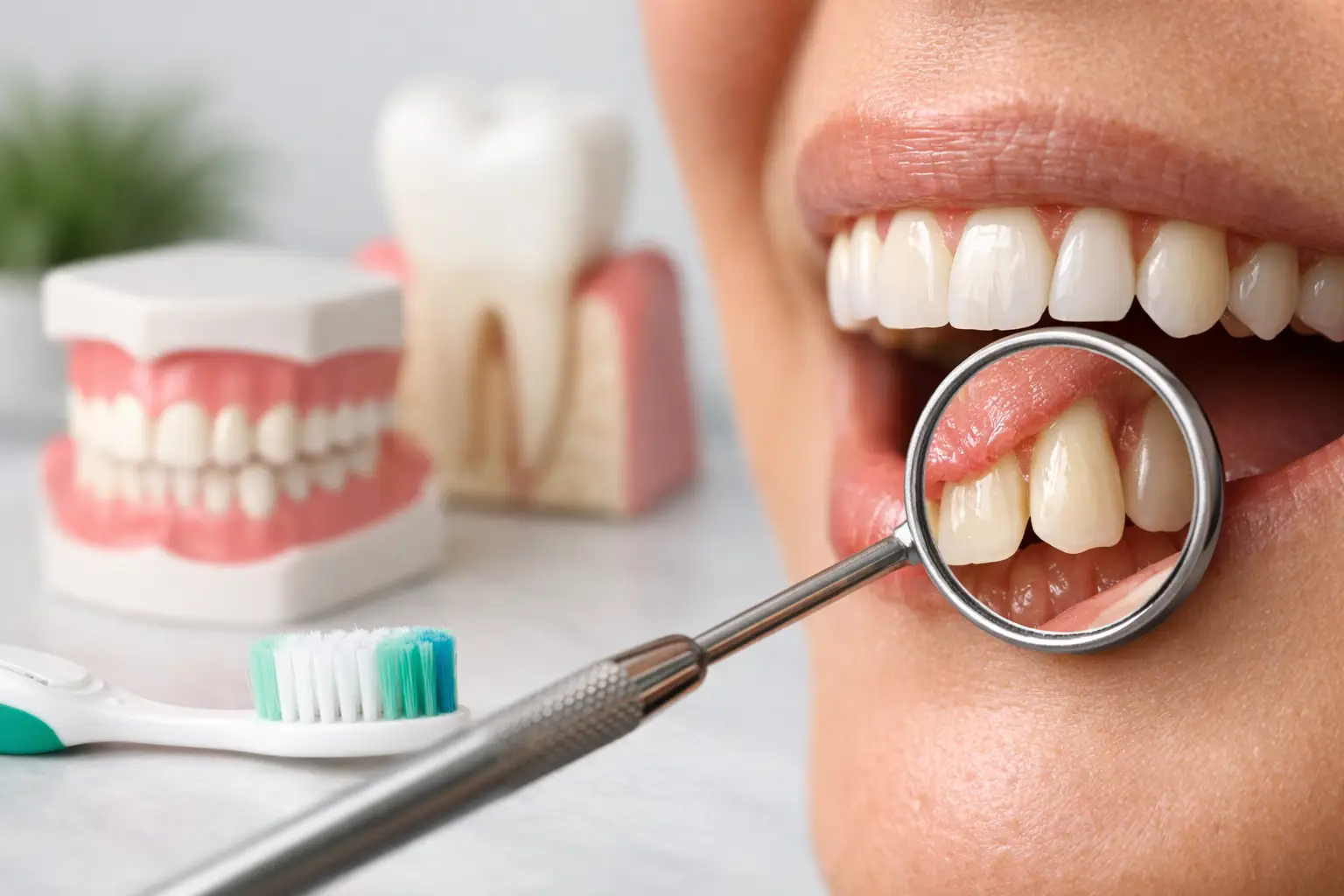
You may first notice it while brushing: a tooth looks longer than it used to, or cold water suddenly causes a sharp twinge near the gumline. So, can gum recession be reversed? In most cases, gum tissue that has pulled away from a tooth does not grow back on its own. The good news is that a dentist can often stop recession from progressing, relieve sensitivity, protect exposed roots, and in appropriate cases restore coverage with periodontal treatment.
Receding gums deserve attention, but they do not call for panic. A careful exam can identify what is causing the change and help you choose the most conservative, effective next step for your smile.
Can Gum Recession Be Reversed Naturally?
No home remedy, toothpaste, or brushing technique can regrow lost gum tissue once it has receded. Products marketed for gum health may help reduce plaque or sensitivity, but they cannot replace tissue that has already moved away from the tooth.
That distinction matters because the goal is not always to make the gums look exactly as they did years ago. For some patients, the best result is stable, healthy gums with no further loss and less sensitivity. For others, especially when roots are exposed or the recession affects the smile line, surgical gum grafting may provide meaningful root coverage.
Early care is often simpler. If the recession is mild and its cause can be corrected, monitoring, professional cleanings, and changes to home care may be all that is needed. Waiting until exposed roots are worn, decayed, or increasingly sensitive can make treatment more involved.
Why Gums Recede
Gum recession is not always caused by poor brushing or poor hygiene. It can happen to people who take excellent care of their teeth, and several factors may be involved at once.
Periodontal disease is a common cause. Bacteria in plaque can trigger inflammation and infection that damage the gum tissue and supporting bone. Gums may become tender, bleed when brushed, look swollen, or pull away from the teeth. In some cases, however, gum disease progresses with few obvious symptoms.
Brushing too aggressively can also wear the gumline over time, particularly with a hard-bristled brush or a side-to-side scrubbing motion. Other contributors include clenching or grinding, tobacco use, crowded or poorly positioned teeth, thin gum tissue, lip or tongue piercings, and natural changes with age. Orthodontic treatment can be part of the picture for certain patients, though it is not automatically the cause.
A dental evaluation helps separate these possibilities. Recession caused by active gum disease needs a different approach than recession around a healthy tooth with naturally thin tissue.
What a Dentist Checks Before Recommending Treatment
A dentist or periodontal provider will examine the gums, measure the depth of the spaces around the teeth, check for bleeding and inflammation, and assess how much root surface is exposed. Digital X-rays may be used to evaluate bone support that cannot be seen during a visual exam.
Your dentist will also ask about sensitivity, brushing habits, tobacco use, grinding, and medical history. This information is practical, not judgmental. It helps determine whether the priority is treating infection, reducing trauma to the gumline, protecting a vulnerable root, or improving appearance.
The amount and location of recession matter. A small area on a back tooth with no sensitivity may be managed differently than recession on a visible front tooth or a tooth with root decay. Treatment should fit the health of your gums, your comfort, your goals, and your budget.
Treatment Options for Receding Gums
Professional periodontal care
If gum disease is present, treatment begins by controlling the infection. Depending on its severity, this may include a thorough cleaning below the gumline, often called scaling and root planing, along with a plan for follow-up periodontal maintenance. Removing bacterial buildup gives the gums the best opportunity to heal and become more stable.
This treatment can reduce swelling, bleeding, and pockets around teeth. As inflammation improves, the gums may look healthier, but it does not mean lost tissue has fully regenerated. Regular maintenance visits are essential because gum disease can return if plaque and tartar are allowed to build up again.
Gentler home care and sensitivity protection
For recession related to brushing pressure or mild irritation, small changes can protect the gumline. A soft-bristled or electric toothbrush with a pressure sensor can be helpful. Hold the brush at an angle toward the gumline and use gentle, small motions rather than forceful scrubbing.
A dentist may recommend a desensitizing toothpaste, fluoride treatment, or a protective bonding material over an exposed root. These options do not replace gum tissue, but they can make eating and drinking more comfortable and reduce the risk of root decay. If you grind your teeth, a custom nightguard may help limit additional stress on your teeth and gums.
Gum grafting for root coverage
When recession is more significant, a gum graft may be recommended. This procedure adds tissue to the area where the gum has receded, often using tissue from another area of the mouth or donor material. The goal is to cover exposed root surfaces, thicken thin tissue, improve comfort, and protect the tooth from further damage.
Grafting can offer excellent results, but results vary. Complete coverage is not possible in every case, particularly when there has been substantial bone loss, the tooth is positioned outside the ideal gum contour, or recession is advanced. A periodontal consultation can explain what degree of coverage is realistic before you decide.
Modern techniques and appropriate anesthetic options can make periodontal procedures more comfortable than many patients expect. Healing still requires patience: you may need to eat softer foods briefly, avoid brushing the treated area as directed, and attend follow-up visits so the tissue can be monitored.
When to Schedule an Appointment
Schedule a dental visit if you notice a tooth appearing longer, new sensitivity to hot or cold, bleeding gums, persistent bad breath, a notch near the gumline, or a change in how your gums look around one tooth. These signs do not always mean serious disease, but they are worth checking early.
You should also make an appointment if the recession seems to be getting worse, you see pus or swelling, or a tooth feels loose. Active infection and significant bone loss need prompt attention to protect your overall oral health.
At Dental Care of Plano, Dr. Banerjee and the team can evaluate gum recession in a calm, modern setting and discuss practical options without pressure. For busy families and working adults, identifying the cause early can help avoid a larger treatment need later.
How to Help Prevent More Gum Recession
Healthy daily habits cannot regrow lost gums, but they can make a real difference in protecting the tissue you have. Brush twice daily with a soft brush, clean between teeth every day, and keep regular preventive visits. If you are unsure whether your brushing technique is too forceful, ask for a quick demonstration at your next appointment.
Avoid tobacco products, which can increase the risk of gum disease and make healing more difficult. If you clench or grind, do not ignore morning jaw soreness, headaches, or worn teeth. Addressing these signs early can protect more than just your gumline.
The most helpful next step is a personal evaluation, especially if sensitivity or changes in your smile are bothering you. Receding gums are treatable, and a thoughtful plan can protect your teeth while helping you feel comfortable smiling, eating, and caring for your oral health.