
Losing a tooth changes more than your smile. It can affect how you chew, how confidently you speak, and even how the rest of your teeth function over time. If you have been asking, are dental implants worth it, the honest answer is that they often are – but not for every patient, and not for every budget.
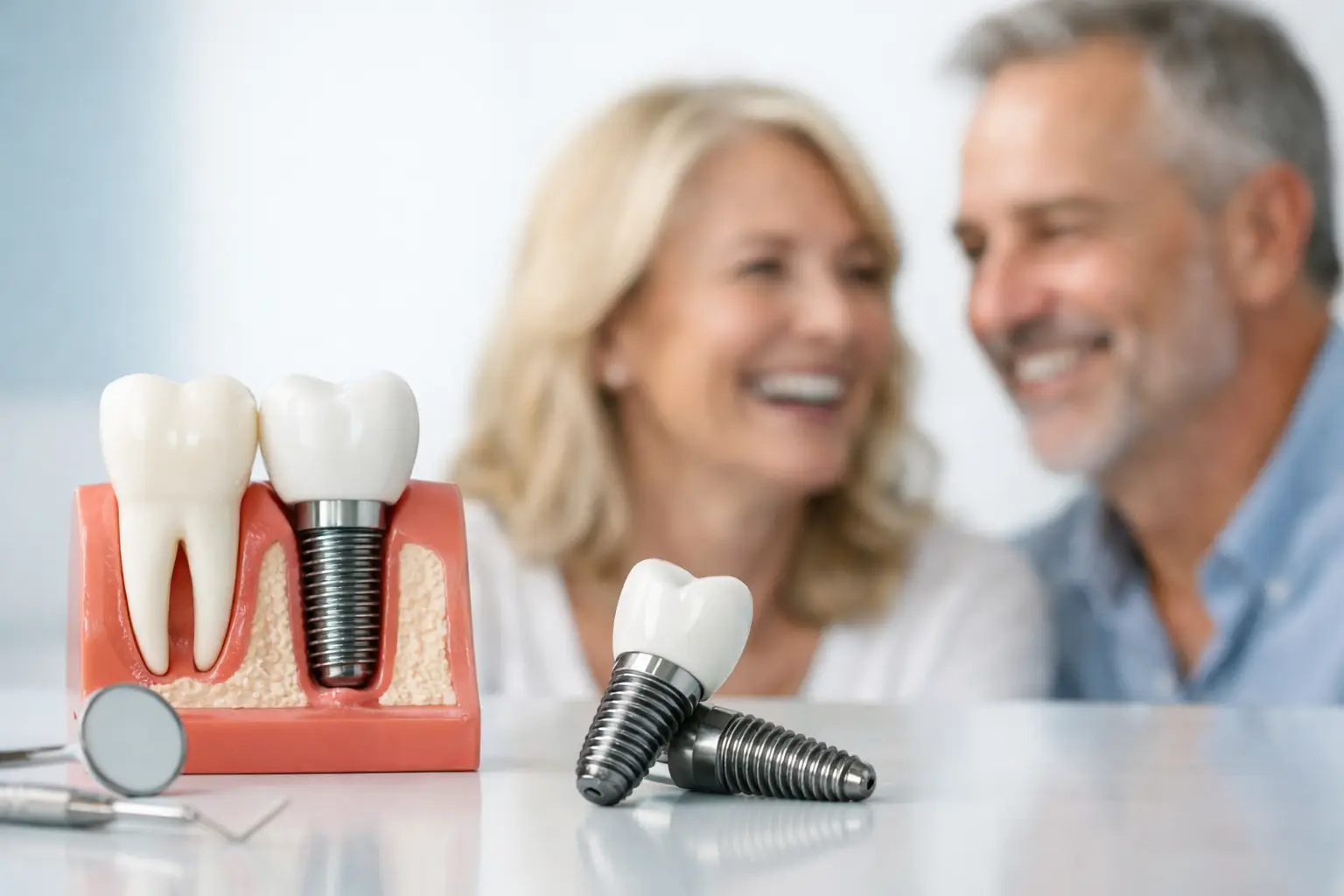
For many adults, dental implants are the closest thing to getting a natural tooth back. They are designed to replace both the visible tooth and the root underneath, which makes them different from options like bridges or dentures. That matters because replacing the root helps support the jawbone and gives the restoration a more stable, natural feel.
Are dental implants worth it in the long run?
In many cases, yes. Dental implants tend to offer the best mix of stability, function, and longevity. A well-placed implant can last for many years, and with good home care and regular dental visits, it may last decades.
That long-term value is what makes implants appealing to busy adults and families trying to make practical healthcare decisions. While the upfront cost is higher than some alternatives, implants often require fewer replacements and less ongoing maintenance than traditional removable options. For patients who want a solution that feels secure and lets them eat, talk, and smile with confidence, that investment can make sense.
Still, worth is personal. A retired patient on a fixed income may define value differently than a working professional who wants the most natural-feeling result. The right choice depends on your oral health, your goals, your timeline, and what you feel comfortable spending.
What makes implants different from bridges and dentures?
A dental implant is placed into the jawbone where the missing root used to be. Once it heals, a crown, bridge, or denture can be attached to it. Because the implant is anchored in bone, it does not rely on neighboring teeth for support the way a traditional bridge does.
That can be a major advantage. A bridge may require healthy teeth next to the gap to be shaped down, and a removable denture may shift or rub during eating and speaking. Implants are more independent. They stay in place, they do not need adhesive, and they generally feel more like natural teeth.
Another key difference is bone support. When a tooth is missing, the jawbone in that area can begin to shrink over time. Dentures and bridges replace the visible space, but they do not replace the root. Implants do, which can help preserve bone and facial structure.
When implants are usually worth the investment
Implants tend to be most worthwhile when you want a long-term solution and your oral health supports it. Patients who are missing one tooth often appreciate that an implant can fill the space without affecting nearby teeth. Patients missing multiple teeth may benefit from implant-supported bridges or dentures that feel more secure than traditional removable appliances.
They are also a strong option for people who are frustrated with loose dentures. One of the most common reasons patients choose implants is simple comfort. Eating harder foods, speaking clearly, and smiling without worry can improve daily life in a very real way.
For younger and middle-aged adults, implants often make even more sense because they may be living with the replacement for many years. Choosing a durable solution early can reduce the cycle of replacing or adjusting other restorations over time.
When the answer may be no
There are situations where implants may not be the best fit, at least not right away. Cost is one of the biggest reasons. Even when financing is available, some patients need a more affordable short-term option first.
Health factors matter too. If you have significant bone loss, untreated gum disease, or certain medical conditions that affect healing, the process may be more complex. That does not always rule implants out, but it can mean additional treatment, a longer timeline, and more expense.
Lifestyle also plays a role. Smoking, uncontrolled diabetes, and poor oral hygiene can increase the risk of implant complications. If a patient is not ready to commit to the care implants require, another treatment may be more appropriate.
This is where a conservative, patient-centered approach matters. The best treatment is not always the most advanced one. It is the one that fits your health, your goals, and your life.
The real benefits patients notice
The biggest benefit of dental implants is not just that they replace a tooth. It is that they help restore normal life.
Many patients notice they can chew more comfortably, especially compared with a removable denture. Others appreciate that implants do not slip while talking or laughing. There is also a confidence factor that should not be dismissed. When a missing tooth is visible, people often become more self-conscious at work, in family photos, or in everyday conversations.
Implants can also help protect the rest of the mouth. Because they stand on their own, they do not place extra stress on neighboring teeth. By supporting the jawbone, they may help reduce the collapse that sometimes happens after tooth loss.
For patients who want a result that looks natural and feels secure, implants often provide the most complete replacement option available.
The trade-offs to understand before saying yes
Even when implants are a great choice, they are not effortless. Treatment usually takes time. After the implant is placed, the bone needs time to heal around it before the final restoration is attached. In some cases, bone grafting or extractions may need to happen first.
There is also surgery involved, which can make some patients nervous. The good news is that modern imaging, careful planning, and comfort-focused care have made implant treatment more precise and more manageable than many people expect. Still, it is reasonable to ask questions about healing, sedation options, and how many visits will be needed.
Cost remains the biggest trade-off for most families. Implants usually cost more upfront than bridges or dentures. But cheaper does not always mean better value over time. A bridge may need replacement later. A removable denture may need relines, repairs, or replacement as the jaw changes. Looking only at the first bill can miss the larger picture.
How to decide if dental implants are worth it for you
Start by thinking about what matters most to you. If your main goal is the lowest immediate cost, an implant may not be your first choice. If your goal is long-term stability, comfort, and a natural feel, implants are often worth serious consideration.
You should also look at the condition of your mouth as a whole. A complete exam can show whether your bone is healthy enough, whether gum treatment is needed first, and whether there are alternatives that would serve you just as well. The right recommendation should feel personalized, not pressured.
For many patients, affordability becomes more manageable once they understand the full picture. Insurance may help in some cases, and third-party financing can spread out the cost. That does not make implants cheap, but it can make them more realistic.
At a full-service office like Dental Care of Plano, patients often appreciate being able to discuss the surgical, restorative, and financial sides of treatment in one place. That kind of convenience matters when you are balancing work, family, and healthcare decisions.
Questions worth asking at your consultation
Before moving forward, ask how long the implant is expected to last, what alternatives are available, and whether any additional procedures are likely. You should also ask about healing time, maintenance, and what the total cost includes.
A good consultation should leave you feeling informed and comfortable, not rushed. You deserve clear answers about benefits, risks, and whether implants truly fit your needs.
Are dental implants worth it for most people?
For many healthy adults who want a secure, natural-looking, long-term replacement for missing teeth, yes – dental implants are worth it. They can improve comfort, confidence, chewing ability, and long-term oral health in ways other options often cannot.
But value is never one-size-fits-all. The best decision is the one that matches your health, your priorities, and your budget without sacrificing your peace of mind. If you are weighing your options, the most helpful next step is a professional evaluation with a team that will explain everything clearly and help you choose what feels right for your smile and your life.