
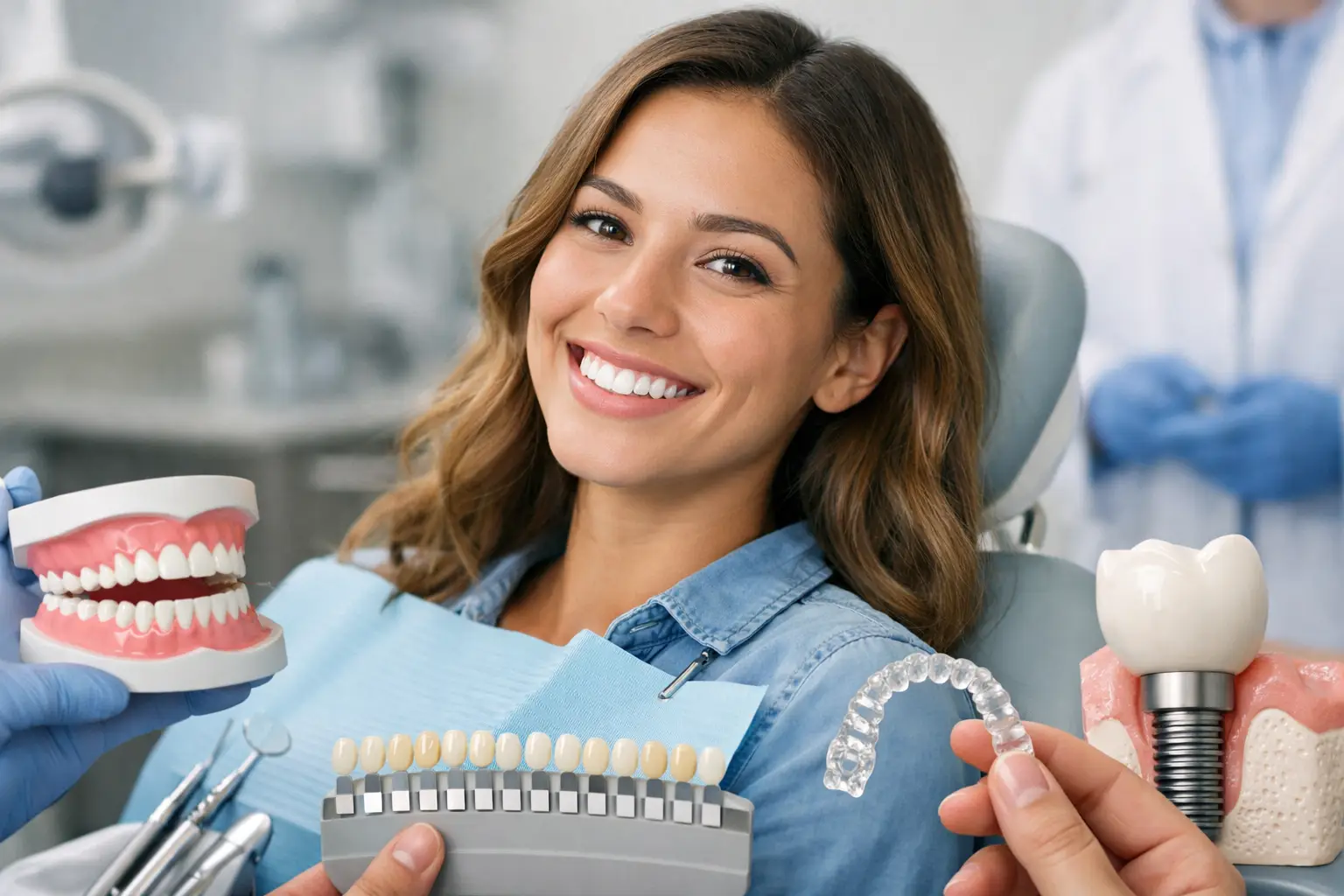
A small chip on a front tooth, coffee stains that no longer lift with store-bought products, or uneven spacing can make people hide a smile they otherwise feel good about. The good news is that affordable cosmetic dentistry options are not limited to a dramatic, all-at-once smile makeover. A thoughtful plan can improve the features that matter most to you while respecting your comfort, schedule, and monthly budget.
Cosmetic care should also support your oral health. Before changing the appearance of teeth, a dentist needs to look for decay, gum disease, cracked teeth, or bite concerns that could affect the result. This careful approach helps protect your investment and gives you a smile that feels as good as it looks.
Affordable Cosmetic Dentistry Options to Consider
The most cost-effective treatment depends on what you would like to change. Whitening may be the right first step for overall discoloration, while bonding can be a conservative solution for a small chip or gap. When planning care, it helps to focus on the concern that has the greatest effect on your confidence rather than assuming every tooth needs treatment.
Professional teeth whitening
Professional whitening is often one of the most accessible ways to refresh a smile. It can brighten natural enamel more predictably than many over-the-counter kits, especially when stains come from coffee, tea, red wine, tobacco, or natural aging. A dental team can also assess whether whitening is appropriate for you and recommend a method based on tooth sensitivity, existing dental work, and your desired shade.
Whitening does have limits. It will not change the color of crowns, fillings, veneers, or bonding, and it may not fully remove discoloration caused by certain medications or trauma. If you have visible restorations in the smile line, whitening first can help your dentist match any later replacement work to your newly brightened teeth.
Dental bonding for chips, gaps, and uneven edges
Dental bonding uses tooth-colored composite material to reshape a tooth, soften a sharp edge, close a small space, or cover minor discoloration. It is usually more conservative than a veneer because it often requires little or no removal of healthy enamel. For the right situation, bonding can provide a noticeable improvement in a single visit.
The trade-off is durability. Composite can stain, chip, or wear over time, particularly for people who bite their nails, chew ice, or grind their teeth. It may need polishing, repair, or replacement sooner than porcelain. Still, for minor cosmetic concerns or a budget-conscious first step, bonding can be an excellent value.
Tooth-colored fillings and restorative updates
Older metal fillings, worn fillings, and visible dental repairs can distract from an otherwise healthy smile. Replacing a failing restoration with a tooth-colored option may improve both appearance and function when replacement is clinically needed. This is not simply cosmetic treatment – a damaged or leaking filling should be evaluated to help prevent more extensive problems.
A conservative dentist will not recommend replacing stable restorations only for appearance without discussing the benefits, limitations, and alternatives. But when repair is already necessary, choosing a natural-looking material can be a practical way to improve your smile as part of essential care.
Veneers, crowns, and carefully planned smile changes
Porcelain veneers can create a more significant change in tooth shape, color, and symmetry. They may be appropriate for teeth with stubborn discoloration, pronounced wear, larger gaps, or multiple aesthetic concerns. Crowns may be recommended when a tooth also needs structural protection because of extensive damage, a large filling, or root canal treatment.
These options typically cost more than whitening or bonding, so planning matters. Some patients choose to treat only the teeth visible when they smile instead of every front tooth. Others begin with health-focused treatment, whitening, or orthodontic alignment, then decide whether veneers are still needed. There is no single right path – the best plan is the one that fits your teeth and your goals.
Start With a Clear, Honest Treatment Plan
A cosmetic consultation should feel informative, not pressured. Your dentist should ask what you notice when you look in the mirror, what you would like to improve, and how much change feels right for you. Bringing a photo of a smile you like can help communicate preferences, but the final recommendation should be personalized to your face, bite, gum health, and natural tooth structure.
At Dental Care of Plano, Dr. Banerjee and the team can evaluate cosmetic concerns alongside your complete oral health needs. This matters because treating sensitivity, inflammation, tooth decay, or bite pressure first may help cosmetic results last longer. It also helps prevent the frustration of paying for an aesthetic treatment that needs to be changed sooner than expected.
Ask for a written estimate that separates immediate needs from elective improvements. If multiple treatments are possible, ask which option is the most conservative, which is expected to last longest, and what maintenance may be needed. Knowing the full picture makes it easier to make a confident decision instead of choosing based only on the initial price.
Making Cosmetic Care Fit Your Budget
Many people postpone cosmetic dentistry because they assume the only choice is to pay for a complete makeover at once. In reality, phased care can make treatment more manageable. For example, you may address a damaged front tooth now, whiten later, and complete additional refinements after you have had time to budget for them.
PPO dental insurance often focuses on preventive and medically necessary services rather than elective cosmetic treatment. However, insurance may contribute when a procedure also restores function, such as a crown for a cracked tooth or a filling that needs replacement. Coverage varies by plan, so it is wise to review your benefits before treatment begins rather than relying on assumptions.
Third-party financing can be another option for qualified patients who prefer manageable monthly payments. Before selecting financing, review the payment terms, promotional period if one applies, interest rate, and what happens if the balance is not paid within that period. A clear conversation about cost is part of patient-centered care, not an uncomfortable topic to avoid.
You can also make a cosmetic plan more affordable by prioritizing treatments with the highest visual impact. These approaches often help:
- Treat visible concerns in the smile line before less noticeable areas.
- Choose whitening before replacing visible restorations when shade matching is needed.
- Consider bonding for small changes when veneers would be more treatment than necessary.
- Protect completed work with consistent cleanings, a night guard when indicated, and good home care.
Do Not Let a Bargain Create a Bigger Problem
A low advertised price can be appealing, especially when you are comparing cosmetic dentistry options. But the lowest initial fee does not always reflect the total cost. You may need to ask whether the estimate includes the examination, X-rays, temporary restorations, follow-up visits, adjustments, or any future maintenance the treatment commonly requires.
Be cautious about one-size-fits-all recommendations or promises of a perfect smile without an exam. Teeth and gums respond differently to cosmetic treatment, and a plan that works beautifully for one person may not be appropriate for another. The most affordable choice is often the one that preserves healthy tooth structure, addresses underlying issues, and is designed to last.
Home whitening products can be reasonable for mild staining, but they are not a substitute for a dental evaluation if you have pain, bleeding gums, broken teeth, or a darkened single tooth. Whitening products will not fix decay or infection, and applying them to irritated tissues can make discomfort worse. A professional assessment provides reassurance about what is safe and realistic.
Keep Your New Smile Looking Its Best
Cosmetic dentistry is not maintenance-free, but simple habits can protect your results. Brush twice daily with a fluoride toothpaste, clean between teeth every day, and keep regular dental visits. If you drink coffee, tea, or dark sodas often, rinsing with water afterward can help reduce surface staining. Avoid using teeth to open packages, and let your dental team know if you wake with jaw soreness or notice signs of grinding.
A beautiful smile does not have to begin with the most extensive treatment. It can start with an honest conversation, a comfortable exam, and one carefully chosen improvement that helps you smile more freely.