
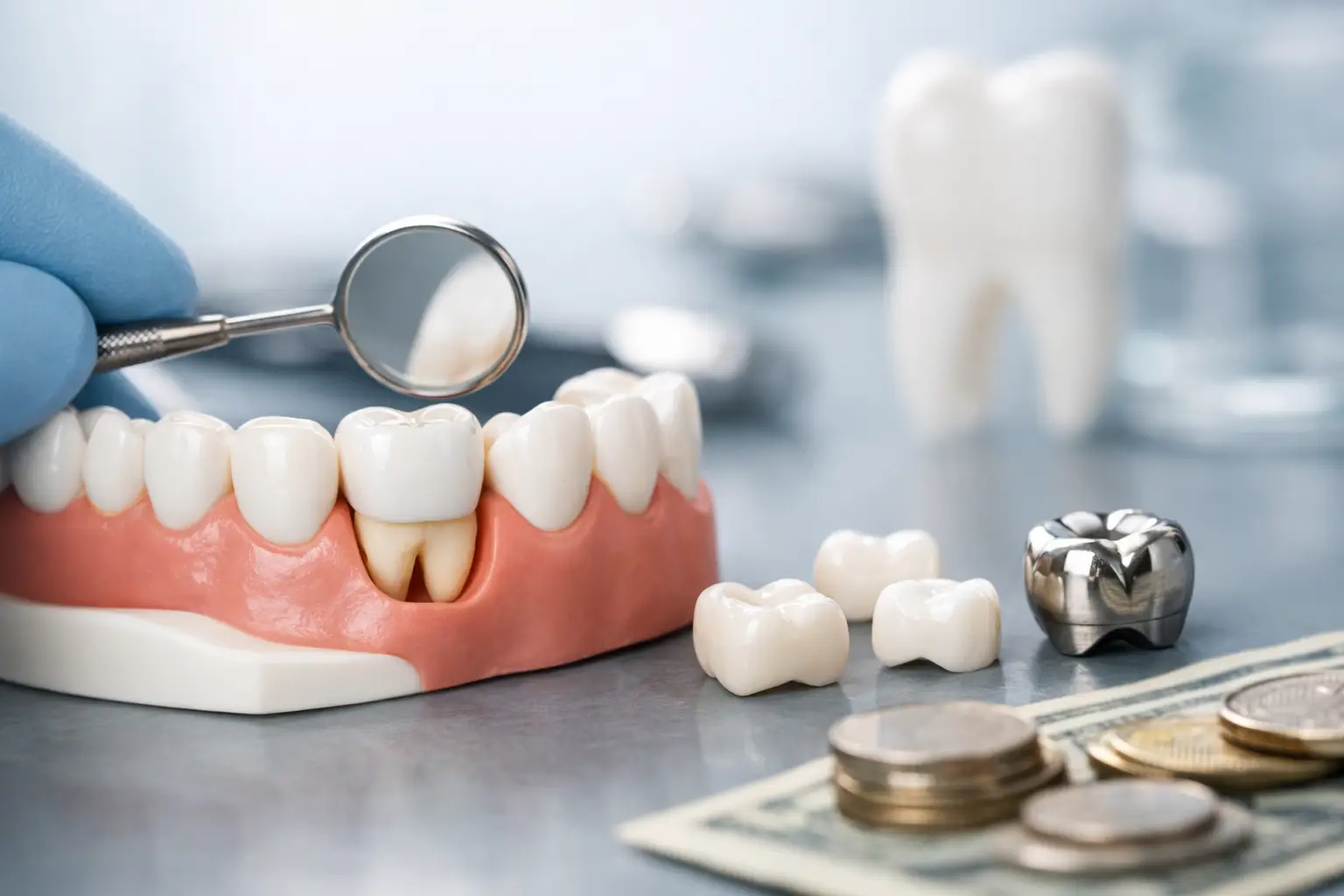
A cracked tooth rarely chooses a convenient time to hurt. When your dentist recommends a crown, the first practical question is often, does dental insurance cover crowns? For many patients, the answer is yes, but coverage is rarely as simple as a single percentage. Your plan’s rules, remaining annual maximum, deductible, waiting periods, and the reason you need the crown can all affect what you pay.
A dental crown is not simply a cosmetic upgrade. It is a custom restoration that covers and protects a tooth that has been weakened by a large filling, fracture, root canal treatment, or extensive decay. Understanding your benefits before treatment can help you make a confident decision without delaying care that could become more complicated.
Does Dental Insurance Cover Crowns?
Most PPO dental insurance plans classify crowns as a major restorative service. Many plans pay a portion of the allowed cost, commonly around 50% after your deductible is met. However, that is a general pattern, not a promise. Some plans cover a higher percentage, some cover less, and some exclude crowns during an initial waiting period.
Dental insurance is designed to help offset treatment costs, not necessarily pay every expense in full. Most plans also have an annual maximum, often between $1,000 and $2,000. Once the insurance company has paid that amount for the calendar or benefit year, you are responsible for additional treatment costs until the maximum resets.
For example, a plan may cover 50% of the insurer’s allowed amount for a crown. If you have already used much of your annual maximum on cleanings, fillings, or other treatment, the remaining benefit toward your crown may be limited. Your actual out-of-pocket amount also depends on whether your dentist is in-network and on the crown material selected.
Why a Crown May Be Recommended
A crown restores the outer shape and strength of a tooth when a filling alone cannot provide reliable support. Your dentist may recommend one when a tooth is badly decayed, has a large or failing filling, is fractured, has undergone root canal therapy, or is worn down from grinding.
In some situations, waiting can turn a manageable restoration into a dental emergency. A weakened tooth can crack further, become infected, or require extraction. That does not mean every tooth needs a crown right away. Conservative care matters, and a careful examination, digital X-rays, and a discussion of alternatives help determine whether a crown is the right treatment for your tooth.
Medically Necessary vs. Cosmetic Treatment
Insurance companies generally cover crowns when they are considered clinically necessary to restore function or protect a damaged tooth. A crown placed primarily to improve appearance may receive little or no coverage under a standard dental plan.
The line is not always perfectly clear. A front tooth crown can improve appearance and restore a chipped, weakened tooth at the same time. Your dentist’s diagnosis, clinical records, and the language in your insurance policy all play a role in how the claim is processed.
The Insurance Details That Affect Your Cost
Before scheduling crown treatment, it helps to look beyond the advertised coverage percentage. These common plan features can change the estimate significantly:
- Deductible: This is the amount you may pay before insurance contributes to certain restorative services. Preventive visits are often exempt, but crowns typically are not.
- Annual maximum: This is the most your plan will pay during a benefit year. It is not a spending limit for your care, only a cap on insurance payments.
- Waiting period: Some plans require you to be enrolled for six to 12 months before covering major services such as crowns.
- Frequency limitation: Your plan may only cover replacement of the same crown after a set period, commonly five years or longer.
- Alternate benefit clause: An insurer may reimburse a less expensive treatment option even when a crown is clinically appropriate, leaving you responsible for the difference.
- Network status: PPO plans often provide stronger benefits when you see an in-network dentist. Out-of-network care may still be covered, but reimbursement can be lower.
There can also be material restrictions. Your dentist may recommend porcelain, ceramic, zirconia, metal, or a porcelain-fused-to-metal crown based on the tooth’s location, bite forces, appearance, and the amount of healthy tooth structure remaining. Insurance may reimburse up to its allowance for a basic crown type, even if a different material is the best choice for your needs.
How to Get a Clear Estimate Before Treatment
The most reliable way to understand your expected cost is to have the dental office verify your benefits and prepare a treatment estimate. An experienced team can review your deductible, annual maximum, eligibility dates, and plan limitations before your appointment whenever possible.
For larger treatment plans, the office may submit a pre-treatment estimate, sometimes called a pre-determination, to your insurer. This is not a guarantee of payment, but it gives you a clearer picture of how the insurer expects to process the claim. It is especially useful if you have a new plan, need several crowns, or are near the end of your benefit year.
Bring your current insurance card and let the office know if your employer, plan, or coverage level has changed. Even when you have visited the same dentist for years, benefit details can change from one plan year to the next.
Questions Worth Asking Your Dental Team
You do not need to become an insurance expert to make an informed choice. Ask whether your deductible has been met, how much of your annual maximum remains, whether a waiting period applies, and whether the recommended crown is covered under your policy. It is also reasonable to ask what portion of the estimate is based on insurance and what options are available if you need to manage the remaining balance.
A thoughtful dental team should explain the clinical reason for treatment as clearly as the financial estimate. You deserve to understand what is happening with your tooth, what could happen if you wait, and what your payment choices look like.
What If Insurance Does Not Cover Enough?
If your plan has a waiting period, a low annual maximum, or no major-service benefit, you still have choices. Depending on your diagnosis, your dentist may be able to safely phase treatment over time. In other cases, delaying care may carry a higher risk of pain, infection, or losing the tooth, so the best path is to address the problem promptly and use a payment option that fits your budget.
Many practices accept PPO insurance and offer third-party financing for qualified patients. Financing can spread the patient portion into manageable monthly payments, while timing treatment around an annual maximum may help in appropriate cases. The right approach depends on the condition of the tooth, not insurance timing alone.
It is also helpful to remember that protecting a natural tooth is often the more conservative long-term choice. If a damaged tooth cannot be saved, replacement options such as an implant or bridge may require more appointments and a greater financial investment than a crown.
Crowns, Comfort, and Long-Term Care
Getting a crown should feel like a well-explained process, not a surprise. Modern dentistry can make treatment more comfortable through careful numbing, digital imaging, and a personalized pace. If dental anxiety has kept you from addressing a damaged tooth, tell your dentist. Gentle care and available comfort options can make a meaningful difference.
After your crown is placed, daily brushing, flossing, and regular exams help protect both the restoration and the natural tooth underneath it. Crowns are durable, but they still need healthy gums and good home care to last well.
At Dental Care of Plano, the goal is to help patients understand both their treatment and their financial options before moving forward. A clear benefits review and a compassionate conversation can replace uncertainty with a plan that protects your smile and respects your budget.