
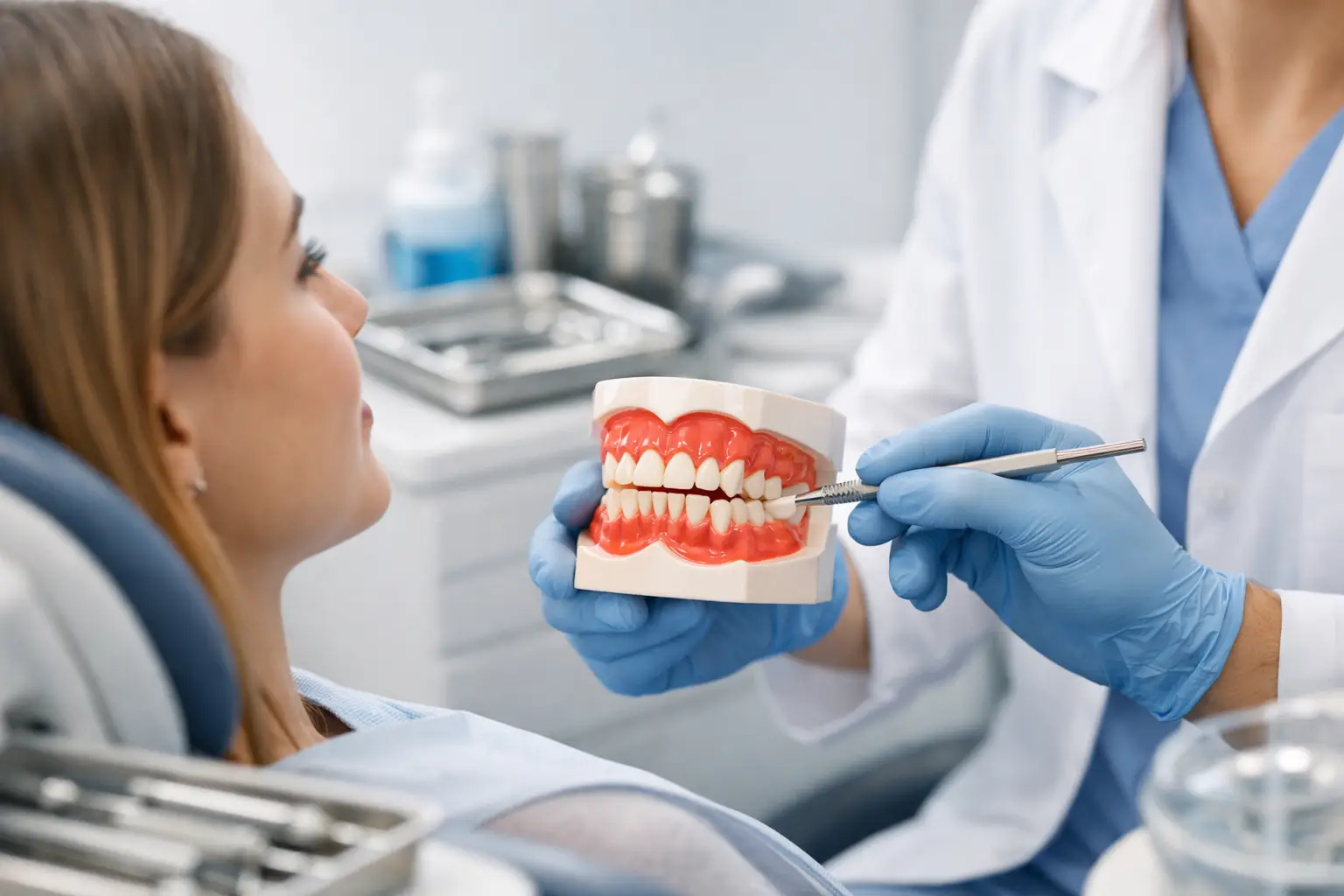
Bleeding when you brush, persistent bad breath, tender gums, or teeth that seem to be shifting are not problems to put off until your next routine visit. Patients often ask, how is gum disease treated? The answer depends on how far the infection has progressed, but treatment usually begins with a careful exam and a plan designed to control infection while protecting as much healthy gum tissue and bone as possible.
Gum disease, also called periodontal disease, can be quiet in its early stages. It may not cause significant pain, even as plaque bacteria irritate the gums and begin damaging the structures that support your teeth. The earlier it is found, the more conservative the treatment can be.
How Is Gum Disease Treated at Different Stages?
Gum disease treatment is not one-size-fits-all. During an examination, your dentist measures the small spaces between the teeth and gums, called periodontal pockets, checks for bleeding and inflammation, and may take digital X-rays to evaluate the bone around the teeth. These findings help determine whether you have gingivitis or more advanced periodontitis.
Gingivitis: Professional Cleaning and Better Daily Care
Gingivitis is the earliest form of gum disease. Gums may look red or puffy, bleed during brushing or flossing, and feel sensitive. At this stage, the infection has not yet caused permanent bone loss. That is encouraging, because gingivitis can often be reversed with professional cleaning and consistent home care.
A dental hygienist removes hardened plaque buildup, called tartar or calculus, from areas your toothbrush cannot fully reach. You will also receive practical guidance on brushing along the gumline, cleaning between your teeth every day, and choosing products that fit your needs. A soft-bristled toothbrush, fluoride toothpaste, floss, interdental brushes, or a water flosser can all play a role. The best option is the one you can use thoroughly and consistently.
Periodontitis: Deep Cleaning Below the Gumline
When gum inflammation is left untreated, bacteria can move below the gumline. The gums pull away from the teeth, creating deeper pockets where plaque and tartar accumulate. This stage is called periodontitis, and it can lead to bone loss, gum recession, tooth mobility, and eventually tooth loss.
The most common nonsurgical treatment is scaling and root planing, often called a deep cleaning. Scaling removes plaque and tartar from above and below the gumline. Root planing smooths the tooth root surfaces so bacteria have fewer places to attach and the gums can heal more closely around the teeth.
Deep cleaning is more extensive than a standard preventive cleaning. Depending on the number of areas involved and your comfort needs, treatment may be completed over more than one visit. Local anesthetic can keep the area comfortable, and sedation options may be appropriate for patients with dental anxiety or extensive treatment needs.
Your gums may feel mildly tender afterward, and some teeth can be temporarily sensitive to hot or cold. These effects usually improve as the tissues heal. Following your dentist’s aftercare instructions is essential, especially gentle brushing and daily cleaning between the teeth.
When Gum Disease Needs Additional Treatment
Some patients respond well to deep cleaning and improved home care. Others have deeper pockets, more extensive bone loss, medical conditions that affect healing, or areas that remain inflamed after initial therapy. In those cases, additional periodontal treatment may be recommended.
Antibacterial medications may sometimes be placed directly into periodontal pockets or prescribed when there is a specific clinical need. Medication is not a substitute for removing tartar and controlling plaque, but it can support treatment in selected situations.
For advanced periodontal disease, surgical treatment may be needed to access deep deposits, reduce pocket depth, or rebuild support around a tooth. Procedures may include flap surgery, bone grafting, or gum grafting for significant recession. These treatments sound intimidating, but their purpose is straightforward: remove infection, make the area easier to keep clean, and preserve natural teeth whenever possible.
There are trade-offs. Surgery may offer better access to difficult areas and improve long-term stability, but it involves healing time and may not be necessary for every patient. A conservative plan should begin with the least invasive option likely to control the disease, then be adjusted based on how your gums respond.
What if a Tooth Cannot Be Saved?
Severe gum disease can sometimes damage the bone and supporting tissues beyond what treatment can predictably restore. If a tooth must be removed, your dentist can discuss replacement options such as a dental implant, bridge, or denture. Replacing a missing tooth can help maintain chewing function, speech, and the position of neighboring teeth.
However, controlling periodontal infection comes first. An implant or other restoration needs healthy surrounding gums and bone for the best chance of lasting success.
Periodontal Maintenance Protects Your Results
Gum disease is manageable, but it requires ongoing attention. After active treatment, many patients benefit from periodontal maintenance visits more often than the usual six-month cleaning schedule. The right interval depends on pocket depth, bleeding, bone loss, home care, smoking status, diabetes, and other individual risk factors.
At these visits, the dental team checks your gum health, removes new plaque and tartar buildup, and watches for early signs that the condition is becoming active again. These appointments are not simply “extra cleanings.” They are a key part of keeping a previously treated infection under control.
Daily habits matter just as much. Brush twice a day for two minutes, clean between your teeth once a day, and do not stop flossing because your gums bleed. Bleeding is often a sign of inflammation. With proper technique and professional care, healthy gums should become less likely to bleed over time.
Smoking and vaping can make gum disease harder to detect and treat because they affect blood flow and healing. Diabetes can also increase the risk and severity of periodontal disease, particularly when blood sugar is not well controlled. Let your dental team know about medications and health changes so your care can be coordinated thoughtfully.
Why Early Treatment Makes a Meaningful Difference
Gum disease affects more than your smile. Healthy gums help anchor your teeth, make eating comfortable, and support long-term oral health. Waiting for pain is risky because periodontal disease may progress with few noticeable symptoms until it becomes more complex and costly to treat.
A prompt evaluation can clarify what is happening and replace uncertainty with a realistic plan. At Dental Care of Plano, Dr. Banerjee and the team take a patient-centered approach to periodontal care, explaining findings clearly and recommending treatment based on your needs, comfort, and long-term goals. With comprehensive services in one office, families and busy professionals can often receive preventive, restorative, and gum care without adding unnecessary stops to their schedule.
If your gums bleed, feel swollen, or have changed in appearance, schedule an exam rather than trying to solve the problem with mouthwash alone. The right treatment may be as simple as a professional cleaning and better home care, or it may require deeper therapy. Either way, taking the first step now gives your gums and natural teeth the best opportunity to heal.