
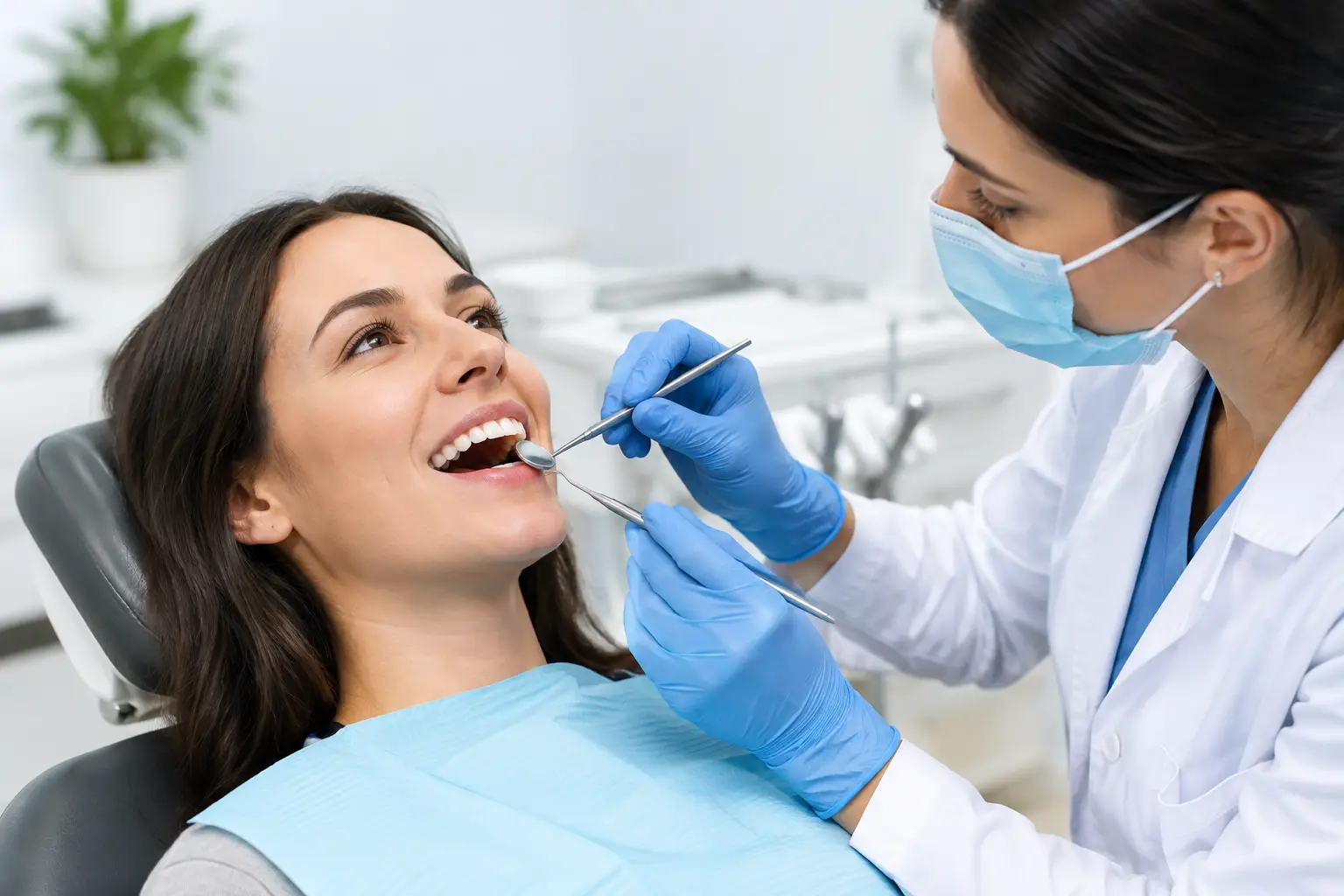
A dental exam is not meant to be a test you can fail. It is a practical, judgment-free conversation about your oral health, paired with a careful look at what is happening in your mouth right now. If you have been wondering what happens during a dental exam, knowing the process ahead of time can make the appointment feel far more comfortable, especially if it has been a while since your last visit.
At Dental Care of Plano, the goal is to help every patient feel informed, respected, and at ease. Whether you are coming in for a routine checkup, bringing in a child for a first visit, or returning because of tooth pain, your care should reflect your needs, your comfort level, and your budget.
What Happens During a Dental Exam?
Most dental exams begin with a friendly check-in and a review of your health history. Your dentist and dental team need the full picture because many health conditions and medications can affect your teeth and gums. Diabetes, pregnancy, dry mouth, blood thinners, acid reflux, and certain medications can all change the type of care you may need.
You may be asked about concerns such as sensitivity, bleeding gums, jaw soreness, headaches, bad breath, changes in your bite, or a tooth that feels different. This is the right time to speak up. A small detail, such as pain when chewing on one side or discomfort with cold drinks, can help identify a problem before it becomes more complicated.
The exact flow of your appointment can vary. A patient with no symptoms may need a straightforward preventive exam, while someone with a broken tooth, swelling, or significant discomfort may need a more focused evaluation and same-day treatment options.
A Closer Look at Your Teeth and Gums
Your dentist will examine each tooth, looking for signs of cavities, worn enamel, cracks, old fillings that may be failing, and areas where food or plaque collect more easily. Even teeth that look healthy can have decay between them or beneath an older restoration, which is why a visual exam is only one part of the process.
Your gums receive equal attention. Healthy gums should fit snugly around the teeth and should not routinely bleed when you brush or floss. The team may gently measure the spaces between your gums and teeth using a small periodontal probe. These measurements help identify gum inflammation or periodontal disease.
Hearing numbers during this part of an exam can sound intimidating, but they are simply measurements. Shallow pockets can be normal, while deeper pockets may signal that bacteria and inflammation have affected the tissues supporting the teeth. If gum disease is found, your dentist can explain whether improved home care, a routine cleaning, or periodontal treatment is the appropriate next step.
Your dentist may also check your bite and jaw joints. Teeth grinding, clenching, an uneven bite, or jaw joint strain can contribute to chipped teeth, headaches, facial tension, and sensitivity. Some patients benefit from a nightguard or a conversation about bite-related treatment, but recommendations should be based on your symptoms and clinical findings, not a one-size-fits-all plan.
Why Dental X-Rays May Be Recommended
X-rays allow your dentist to see areas that cannot be evaluated fully with the naked eye. They can reveal cavities between teeth, bone changes caused by gum disease, infections near tooth roots, impacted teeth, and problems beneath crowns or fillings.
Not everyone needs the same type or frequency of X-rays. It depends on your age, dental history, current oral health, risk for decay, and symptoms. A patient with a history of frequent cavities may need X-rays more often than someone with stable oral health and no concerns. Modern digital X-rays use low radiation, and your dental team can explain why a particular image is being recommended before taking it.
For children and teens, X-rays may also help monitor developing teeth and determine whether there is enough room for permanent teeth to come in properly. For adults, they can help detect issues early, often before they cause pain or require more extensive treatment.
Your Oral Cancer Screening Matters, Too
A complete dental exam includes more than teeth. Your dentist may examine your lips, cheeks, tongue, throat, palate, and the tissues under your tongue for unusual sores, lumps, discoloration, or other changes.
This oral cancer screening is quick and painless. Most changes found in the mouth are harmless, but identifying anything unusual early gives you the best chance to address it promptly. Let your dentist know if you have had a sore that has not healed, persistent hoarseness, numbness, difficulty swallowing, or a noticeable change in the way your mouth feels.
What Happens During the Cleaning?
A dental exam and dental cleaning often happen at the same appointment, though they are different services. During a routine cleaning, a hygienist removes plaque and hardened tartar from the teeth and along the gumline. Tartar cannot be removed with brushing alone, which is one reason professional cleanings matter even for people with strong at-home habits.
After removing buildup, the hygienist may polish your teeth and review brushing and flossing techniques that fit your needs. If you have sensitive teeth, crowded areas, braces, implants, bridges, or gum recession, your home-care routine may need a few adjustments.
If there is more significant tartar below the gums or signs of periodontal disease, a standard cleaning may not be enough. Your dentist may recommend a deeper periodontal cleaning instead. This is not a punishment for missing appointments. It is treatment designed to remove bacteria from areas where routine cleaning cannot reach. The best approach depends on the condition of your gums, not simply how long it has been since your last visit.
Reviewing Your Results and Treatment Options
Once the exam is complete, your dentist should clearly explain what was found, what can wait, and what needs attention sooner. Conservative care matters. Not every small finding needs immediate treatment, but problems such as infection, a cracked tooth, progressing decay, or active gum disease should not be ignored.
A thoughtful treatment conversation usually covers the condition, why it matters, available options, expected benefits, and likely consequences of waiting. For example, a small cavity may be monitored in some cases, but if it is growing or causing symptoms, a filling can prevent it from reaching the nerve. A damaged tooth may be repairable with a filling, crown, or root canal depending on how much healthy tooth structure remains.
Cost is also a reasonable part of the conversation. Your team can review PPO insurance benefits, out-of-pocket estimates, and financing options when needed. Good dental care should feel clear, not pressured. If treatment is recommended, you deserve to understand the reason behind it and have time to ask questions.
How to Prepare for Your Appointment
There is no need to do anything complicated before a dental exam. Brush and floss as you normally would, bring an updated list of medications, and make a note of any concerns you want to discuss. If you feel anxious about dental visits, mention it when scheduling and again when you arrive. Gentle care, breaks during treatment, and sedation options may be available depending on the service you need.
Parents can help children feel more confident by describing the visit simply: the dentist will count their teeth, take pictures if needed, and help keep their smile strong. Try not to use scary words or promise that nothing will feel uncomfortable. A calm, honest approach helps children build trust over time.
If you have delayed care because of a busy schedule, fear, or uncertainty about cost, a first visit can be a manageable place to restart. One exam gives you a clearer understanding of your oral health and a path forward that fits your life. Scheduling a checkup is a simple way to give yourself and your family the attentive, comfortable care you deserve.