
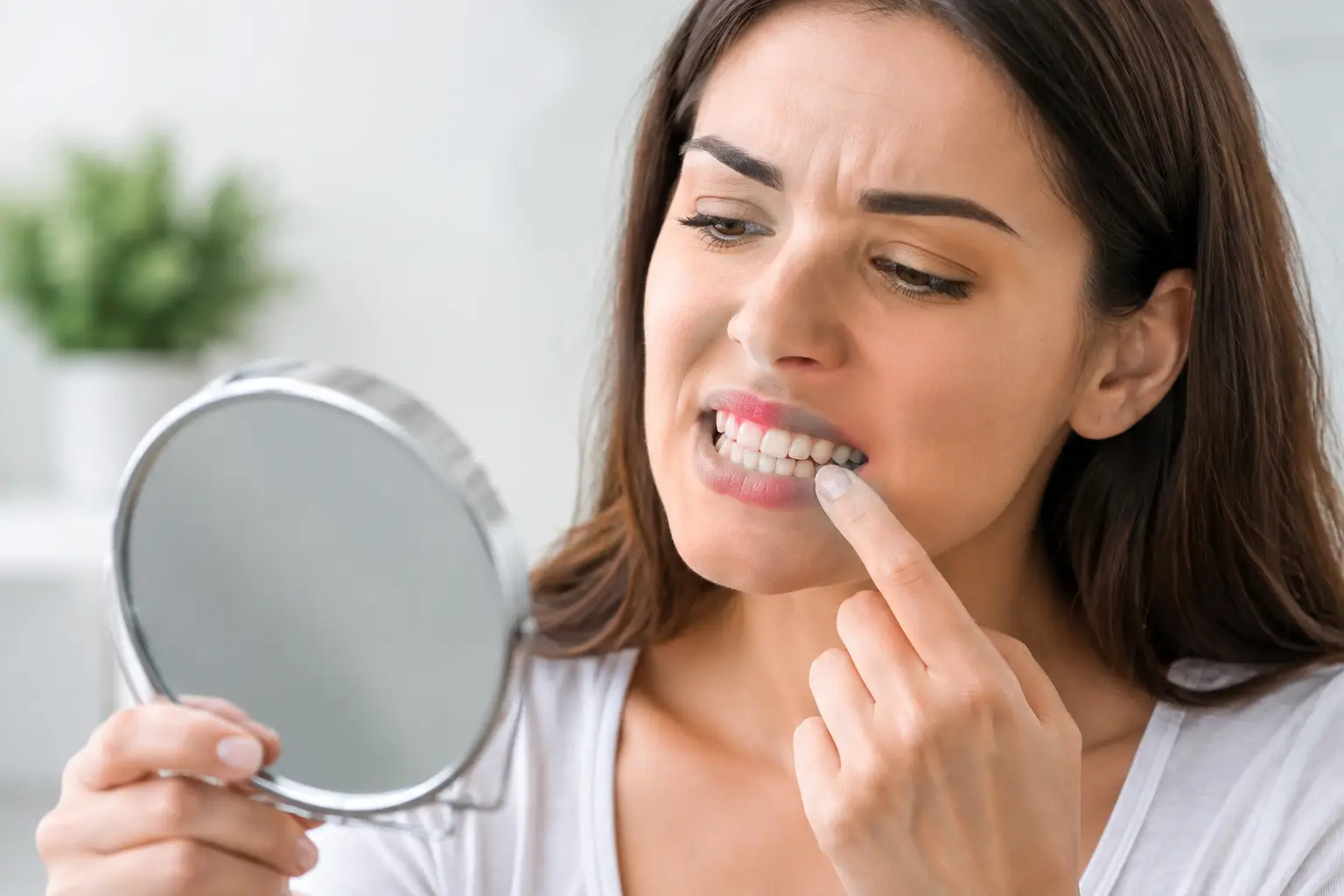
That sharp twinge when you sip iced tea or a tooth that suddenly looks more yellow can feel minor, especially when work, school pickups, and family schedules are full. But these changes can be early clues that the hard outer layer of your teeth is wearing away. Knowing the top signs of enamel erosion can help you seek care before discomfort turns into a larger dental problem.
Enamel is the strong, protective surface covering each tooth. It does not grow back once it has been lost, but early erosion can often be slowed or managed with the right habits and professional care. A gentle evaluation can identify what is happening and help preserve as much healthy tooth structure as possible.
What Enamel Erosion Looks and Feels Like
Enamel erosion occurs when acids gradually soften and wear down the tooth surface. Those acids may come from foods and drinks, frequent vomiting or reflux, dry mouth, certain medications, or even repeated exposure to chlorinated pool water. Brushing too aggressively can also make already-softened enamel wear faster.
The changes are often gradual. You may not notice a problem until sensitivity, visible wear, or cosmetic changes become more obvious. Here are seven signs worth bringing up at your next dental visit – or sooner if you are uncomfortable.
1. New or Increasing Tooth Sensitivity
Sensitivity is one of the most common early signs. As enamel thins, hot, cold, sweet, or acidic foods can reach the more sensitive layer beneath it, called dentin. You might feel a quick zing when drinking cold water, eating ice cream, or breathing in cool air.
Sensitivity can also come from cavities, gum recession, cracks, or recent dental treatment, so it does not automatically mean enamel erosion. Still, sensitivity that lasts, worsens, or makes you avoid favorite foods deserves an examination.
2. Teeth That Look More Yellow
Healthy enamel is naturally translucent. Underneath it is dentin, which has a warmer yellow tone. When enamel becomes thinner, more of that dentin shows through, making teeth appear yellow even with consistent brushing.
This is different from surface staining caused by coffee, tea, red wine, or tobacco. Whitening may improve stains, but it will not replace lost enamel. In some cases, whitening can temporarily increase sensitivity, so it is best to ask your dentist about the cause of color changes before starting an at-home whitening routine.
3. Smooth, Shiny, or Cupped Areas on the Biting Surface
Erosion does not always look rough. Acid wear can create smooth, glossy-looking spots or small rounded hollows on the chewing surfaces of back teeth. Dentists sometimes call these hollows “cupping.” Fillings may begin to look raised because the surrounding natural tooth structure has worn down.
These changes can be easy to miss in the mirror, particularly on molars. A routine exam is valuable because your dental team can compare subtle changes over time and identify patterns that are not yet causing pain.
4. Cracks, Chips, or Rough Edges
As the protective enamel layer becomes thinner, teeth can be more vulnerable to chipping and cracking. You may notice a small chip on a front tooth, a rough edge that catches on your tongue, or a tooth that feels more fragile when biting into something firm.
A chip does not always signal erosion. An accident, nighttime grinding, or biting hard foods can be responsible. However, repeated chips or wear across several teeth may point to an underlying issue that needs a closer look.
5. Transparent or Thinning Tooth Edges
Look at the edges of your front teeth in good lighting. If they appear unusually translucent, glassy, or thinner than before, enamel wear may be contributing. The edges can also become more uneven as they lose strength.
This sign is especially noticeable for people who regularly sip acidic beverages, snack frequently on citrus fruits, or experience acid reflux. It can also occur alongside grinding, which adds mechanical pressure to teeth that have already been softened by acid.
6. Tenderness When You Bite or Chew
Enamel erosion can change how your teeth handle everyday chewing forces. A tooth may feel tender with crunchy foods, or you may find yourself chewing on one side of your mouth. If wear exposes dentin or contributes to a crack, biting discomfort may become more noticeable.
Pain when biting should not be ignored. It may be related to erosion, but it can also indicate a cracked tooth, decay, infection, or a bite problem. Prompt care is the most comfortable and conservative route because earlier treatment may prevent a small concern from becoming an emergency.
7. Teeth That Seem Shorter or More Worn Down
Over time, enamel loss can make teeth look shorter, flatter, or less defined. This is most apparent when erosion and grinding happen together. You may notice that your smile has changed in photos, that your bite feels different, or that old fillings no longer match the contours of your teeth.
This level of wear usually develops gradually, but it should be assessed promptly. Rebuilding worn teeth may involve a range of options, from protective fluoride and bonding to crowns or other restorative treatment. The right recommendation depends on how much structure is lost, your bite, your comfort, and your goals.
What Causes Enamel Erosion?
Acidic drinks are a familiar cause, but they are not the only one. Soda, sports drinks, energy drinks, sparkling water with citrus, fruit juice, and frequent lemon water can all expose teeth to acid. The issue is often frequency rather than one occasional drink. Sipping an acidic beverage throughout the afternoon keeps teeth in an acidic environment longer than drinking it with a meal.
Medical factors matter, too. Heartburn, gastroesophageal reflux disease, pregnancy-related nausea, eating disorders, and frequent vomiting can bring stomach acid into contact with teeth. Dry mouth can reduce the protective effect of saliva. Some people also have a combination of acid exposure and clenching or grinding, which accelerates wear.
There is no need to guess or blame yourself. During an exam, your dentist can look for the pattern of wear, ask about symptoms and habits, and recommend practical next steps. If reflux or another medical concern may be involved, coordination with your physician can be an important part of protecting your smile.
How to Protect Teeth Between Visits
Small adjustments can make a meaningful difference. Drink water after acidic foods or beverages, and consider having them with meals rather than sipping them for hours. If you drink soda, juice, or sports drinks, a straw may reduce contact with front teeth, though it does not remove the risk completely.
Wait about 30 minutes after acidic foods, drinks, or vomiting before brushing. Enamel is temporarily softer after acid exposure, and brushing immediately can increase wear. Rinse with water first, then brush gently with a soft-bristled toothbrush and fluoride toothpaste. Avoid abrasive whitening products unless your dentist has confirmed they are appropriate for your teeth.
For patients who grind their teeth, a custom nightguard may help reduce pressure-related damage. Fluoride treatments, prescription-strength products, or restorative care may also be recommended depending on the amount of wear. Conservative treatment is often possible when erosion is identified early.
When to Schedule a Dental Visit
Schedule an appointment if sensitivity is new, teeth look more yellow or transparent, you notice chips or changes in tooth shape, or eating has become uncomfortable. Call sooner for severe pain, swelling, a broken tooth, or pain that interferes with sleep or daily life.
At Dental Care of Plano, Dr. Banerjee and the team take time to evaluate the cause of tooth wear and discuss options that fit your needs, comfort, and budget. With modern diagnostic technology and a gentle approach, the goal is to protect healthy tooth structure while helping you feel at ease.
Your teeth do a great deal for you every day. If something feels different, trusting that signal and scheduling a checkup can be a simple step toward keeping your smile comfortable and strong.