
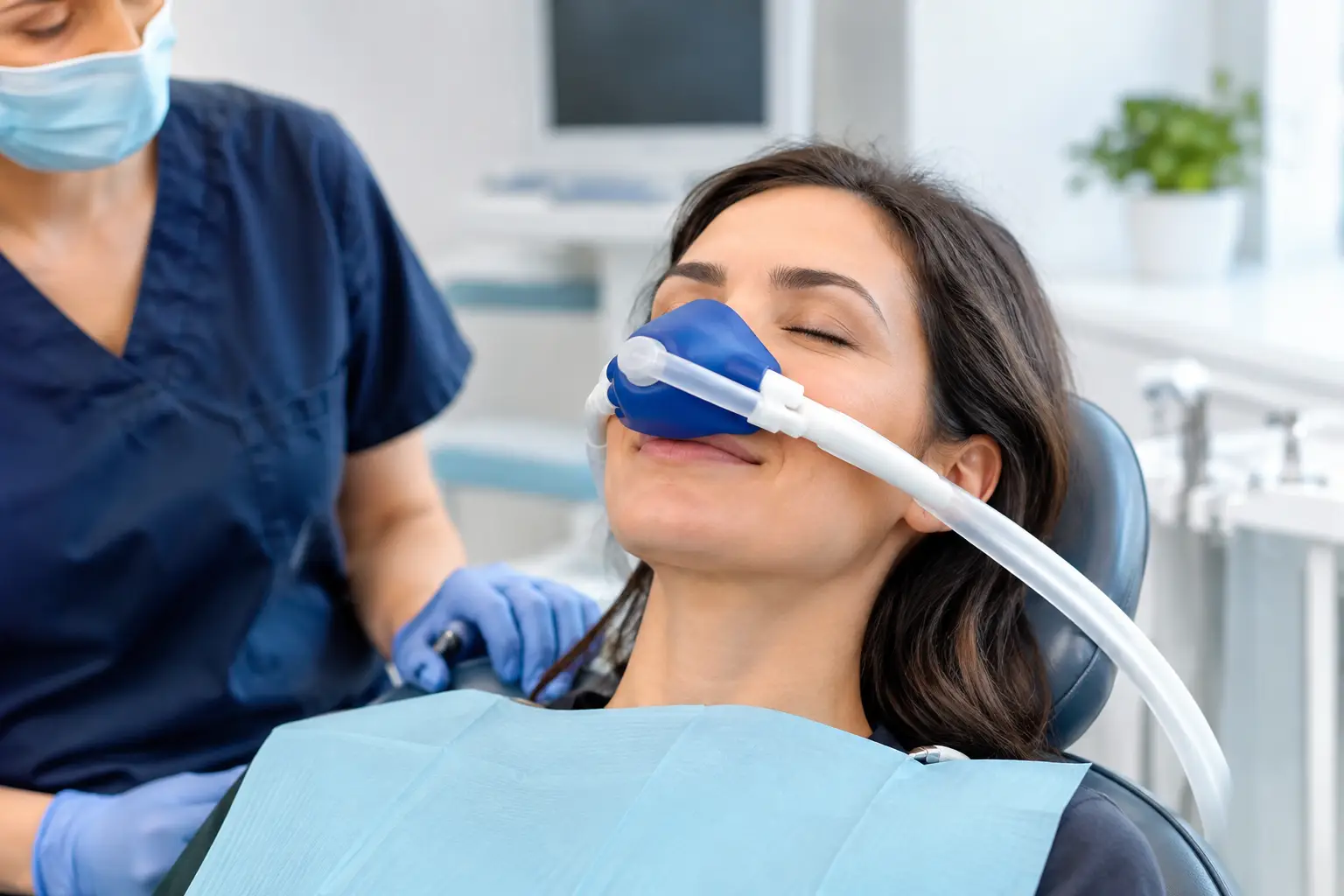
A dental visit should not feel like something you have to endure. For adults who avoid care because of anxiety, a sensitive gag reflex, past difficult experiences, or the thought of a longer procedure, this sedation dentistry guide for adults can help make the next step feel more manageable. Sedation does not replace gentle, attentive care. It supports it by helping you feel calmer while your dental team provides the treatment you need.
At Dental Care of Plano, comfort begins with listening. Before recommending sedation, the team reviews your health history, your concerns, and the type of treatment planned so the approach fits you – not the other way around.
What Sedation Dentistry Can Help With
Sedation dentistry uses medication or inhaled gas to reduce fear, tension, and discomfort during dental care. Depending on the method, you may remain fully awake and relaxed, feel drowsy with limited memory of the appointment, or enter a deeper level of sedation managed with additional monitoring.
It may be helpful if you feel nervous well before an appointment, have delayed treatment because of dental fear, struggle to sit comfortably for longer visits, or need several procedures completed in one visit. Adults with a strong gag reflex, sensitive teeth, difficulty getting numb, or a history of traumatic dental experiences may also benefit.
Sedation is not only for major procedures. Some patients choose it for restorative treatment, root canal therapy, extractions, wisdom teeth removal, implant care, or extensive cosmetic work. For others, it makes a routine visit feel more approachable after years away from the dentist.
The goal is not to make you unaware of your care. The goal is to lower the emotional and physical barriers that have kept you from protecting your oral health.
Sedation Dentistry Options for Adults
The right option depends on your health, anxiety level, procedure length, and transportation plans. Your dentist will explain what is appropriate for your situation and what level of sedation can be safely provided in the office.
Nitrous Oxide for Light Relaxation
Nitrous oxide, sometimes called laughing gas, is breathed through a small mask placed over your nose. It works quickly and creates a calm, light feeling while you remain awake and able to respond to the dental team.
For many adults, nitrous oxide is a practical choice because the effects wear off quickly after the mask is removed. Most patients can return to normal activities soon afterward, although your dentist may still advise caution based on the treatment you received. It can be a good fit for mild to moderate anxiety, shorter procedures, and patients who want a flexible option.
Oral Sedation for Deeper Calm
Oral sedation involves taking a prescribed medication before your appointment. You are typically awake, but you may feel very relaxed, sleepy, and less focused on what is happening around you. Many patients remember little about the visit afterward.
Because oral sedation can affect coordination and judgment for the rest of the day, you will need a trusted adult to bring you to the appointment, stay available, and drive you home. Plan to take the day off from work, avoid important decisions, and skip driving, alcohol, and operating equipment until the medication has fully worn off.
IV Sedation for Complex Care or Significant Anxiety
IV sedation is administered through a vein and allows the sedation level to be adjusted during treatment. It is often considered for more involved procedures, lengthy appointments, or patients with significant dental anxiety. You will be carefully monitored throughout the visit.
This option requires more advance planning, including a ride home and recovery time. It is not automatically the best choice simply because it is stronger. The safest, most comfortable plan is the least intensive option that can reasonably meet your needs.
Is Sedation Dentistry Safe?
When sedation is selected carefully and administered by trained professionals with appropriate monitoring, it can be a safe way to receive dental treatment. Still, sedation is medical care, and a thorough review matters.
Before your visit, share complete and accurate information about medications, supplements, allergies, medical conditions, prior surgeries, pregnancy, sleep apnea, alcohol use, and any past reactions to anesthesia or sedation. Do not leave out a medication because it seems unrelated. Even common prescriptions and over-the-counter products can affect which option is suitable.
Some adults need added precautions or may not be candidates for certain forms of sedation. This can include people with uncontrolled medical conditions, certain breathing concerns, or medication combinations that increase risk. Your dentist may recommend a different approach, coordinate with your physician, or refer you for care in a setting better suited to your needs. That is not a setback. It is thoughtful care centered on your safety.
How to Prepare for a Sedation Appointment
Good preparation helps the appointment go smoothly. Your dental team will give you instructions based on the sedation type and procedure, and those directions should always take priority over general advice.
For oral or IV sedation, you may be asked not to eat or drink for a specific period before treatment. Follow those instructions exactly. Ask about your regular medications ahead of time, especially if you take medications for blood pressure, diabetes, heart conditions, anxiety, or pain. Do not stop a prescribed medication unless your dentist or physician tells you to do so.
Arrange your ride well in advance if you are receiving oral or IV sedation. Your driver should be a responsible adult who can take you home and remain reachable afterward. Rideshare transportation may not meet the office’s policy for sedated patients, so confirm the plan before your appointment.
Wear comfortable clothing and avoid scheduling demanding commitments later that day. If you care for children, work a physically active job, or have a long commute, arrange support so you can rest. A little planning can prevent a comfortable appointment from becoming a stressful day.
What Recovery Usually Feels Like
Recovery varies by sedation type. Nitrous oxide typically wears off quickly, while oral and IV sedation can leave you drowsy, unsteady, or foggy for several hours. It is normal to want a quiet afternoon after a sedated visit.
Your post-treatment instructions will also depend on the procedure itself. An extraction, implant placement, or oral surgery appointment may involve additional directions about eating, brushing, swelling, pain medication, and activity. Follow these carefully, even if you feel fine at first.
Contact the dental office if you have symptoms that seem unusual for you, such as trouble breathing, persistent vomiting, severe dizziness, or concerns about medication. For a medical emergency, call 911. It is always better to ask a question early than to worry at home.
Cost, Insurance, and Planning Your Care
Sedation fees vary based on the method used, the length of the appointment, and the complexity of your treatment. Dental insurance may cover part of the dental procedure while not covering the sedation itself, or it may offer limited coverage depending on your plan. A clear estimate before treatment helps you understand what is included and what you may owe.
If cost has kept you from moving forward, ask about PPO insurance benefits and financing options. For many busy adults, combining needed treatment into fewer appointments can also reduce time away from work and make care easier to manage. The best financial plan is one that allows you to address active dental problems before they become more painful and expensive.
Questions Worth Asking Before You Choose Sedation
A conversation with your dentist should leave you feeling informed, not pressured. Ask which sedation options are appropriate for your health history, how deeply sedated you are expected to be, who will monitor you, and what you should arrange for recovery. You can also ask about alternatives, including numbing techniques, breaks during treatment, noise-reducing headphones, or completing care in shorter visits.
If dental anxiety has caused you to postpone care, you do not need to solve that fear before calling the office. Start by sharing what makes appointments difficult for you. A caring dental team can help you choose a pace and comfort plan that makes taking care of your smile feel possible again.