
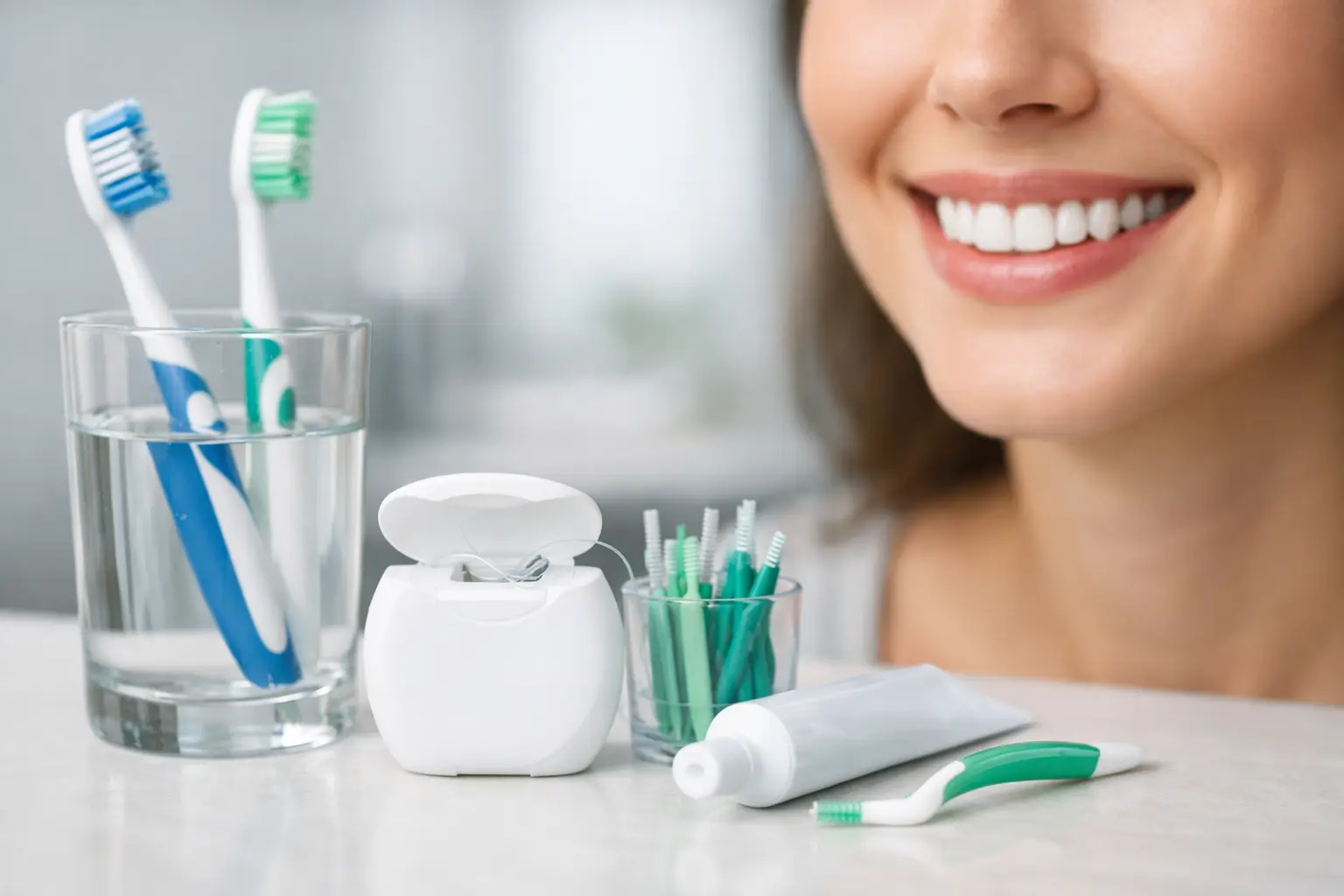
Skipping one night of brushing may not seem like a big deal, but plaque starts building fast. If you are wondering how to keep teeth clean between cleanings, the answer is not complicated. It comes down to consistent daily habits, the right tools, and paying attention to small changes before they turn into bigger problems.
Professional cleanings do work that your toothbrush cannot fully replace. They remove hardened buildup, catch early signs of decay or gum disease, and give your dentist a clearer picture of your oral health. But what happens in the months between visits matters just as much. For busy parents, working professionals, and families trying to stay on schedule, a realistic home routine is what protects those cleaning results.
How to Keep Teeth Clean Between Cleanings at Home
The most effective routine is usually the one you can actually stick with. You do not need a bathroom cabinet full of products. You need a few basics used correctly and consistently.
Brush twice a day for two full minutes. Use a soft-bristled toothbrush or an electric brush with a gentle setting. The goal is to clean along the gumline and every tooth surface without scrubbing so hard that you irritate the gums or wear down enamel. If you tend to rush, a timer helps more than most people expect.
Floss once a day, even if your gums bleed a little at first. Bleeding often means inflammation is already there, not that flossing is the problem. As the tissue gets healthier, that bleeding usually improves. If traditional floss feels awkward, floss picks, water flossers, or interdental brushes can make the habit easier to maintain.
Use fluoride toothpaste. This matters because fluoride helps strengthen enamel and lowers the risk of cavities between cleanings. Whitening toothpaste can be fine for some people, but if you already have sensitivity, a gentler formula may be a better fit.
Mouthwash can help, but it depends on what you need. An alcohol-free fluoride rinse can support cavity prevention. An antibacterial rinse may help if your gums are inflamed. It is useful, but it should support brushing and flossing, not replace them.
The spots most people miss
Even people with solid brushing habits tend to miss the same areas. The back molars are a common problem because they are harder to reach and have deep grooves that trap food. The inside surfaces of the lower front teeth also collect plaque quickly, partly because of saliva flow in that area.
The gumline deserves extra attention too. Plaque sitting right where the teeth and gums meet can lead to gingivitis, tenderness, and bad breath. Angle your brush slightly toward the gumline and use small, gentle motions instead of aggressive back-and-forth scrubbing.
If you wear clear aligners, a retainer, a night guard, or braces, cleaning gets more detailed. Appliances create extra places for plaque to hide. In those cases, technique matters even more than effort. Taking an extra minute is usually worth it.
Food and drink choices make a difference
A clean mouth is not just about what happens at the sink. It is also shaped by what you eat and sip all day.
Frequent snacking can keep your teeth under constant acid attack, especially if snacks are sticky or sugary. It is often not just the amount of sugar that matters, but how often your teeth are exposed to it. Sipping soda, sweet tea, sports drinks, or sweetened coffee over several hours is usually harder on teeth than having one drink with a meal.
Water is one of the simplest tools for keeping teeth cleaner between appointments. It helps rinse away food particles, supports saliva flow, and does not feed cavity-causing bacteria. If you want a practical upgrade to your routine, drinking more water is one of the easiest places to start.
Crunchy fruits and vegetables can also help a little by stimulating saliva and reducing leftover debris. They are not a substitute for brushing, but they are a better between-meal option than sticky candy, crackers, or dried fruit.
If you grind your teeth, clench during stress, or wake up with jaw soreness, that is worth mentioning at your dental visit. Tooth wear from grinding does not make teeth dirty, but it can create rough areas, sensitivity, and other issues that make your mouth harder to keep comfortable and healthy over time.
How to keep teeth clean between cleanings if you are always busy
A lot of people know what to do. The harder part is doing it consistently when mornings are rushed and evenings are full. A good oral hygiene routine does not need to be perfect. It needs to be dependable.
If late-night brushing is the habit you skip most often, try brushing earlier in the evening instead of waiting until you are too tired. If flossing feels like the step that falls off first, keep floss picks where you will actually use them, such as in a bathroom drawer, gym bag, or travel kit. Convenience shapes consistency more than motivation does.
For families, routines work better when they are visible and predictable. Kids often do better with a simple sequence they can repeat every day. Adults are not that different. When brushing and flossing are tied to the same times and cues, they become easier to maintain.
Electric toothbrushes can be especially helpful for busy households because they take some of the guesswork out of brushing technique. They are not mandatory, and a manual brush can work well, but for some patients they improve plaque removal enough to justify the switch.
Warning signs to watch between dental visits
Keeping teeth clean between cleanings is not just about preventing stains or keeping breath fresh. It is also about noticing when something feels off.
If your gums bleed regularly, your breath stays bad even after brushing, or your teeth suddenly feel more sensitive, do not assume it will pass on its own. The same goes for swelling, persistent food trapping, rough spots, or pain when biting. These changes can signal early decay, gum inflammation, a cracked tooth, or buildup in areas that need professional attention.
There is a difference between a routine cleaning schedule and waiting too long because life got busy. The earlier a problem is addressed, the more conservative and affordable treatment usually is. That matters for both your health and your budget.
When stains are the real concern
Some people ask how to keep teeth clean between cleanings because what they really mean is how to keep teeth looking bright. Surface stains from coffee, tea, red wine, and tobacco are common, and even people with good hygiene can notice discoloration over time.
Regular brushing helps reduce fresh surface stain, but it will not remove everything. Whitening toothpastes can lift minor stain, though they may increase sensitivity for some patients. If your teeth are otherwise healthy but still do not look as bright as you want, it may be worth asking about professional options instead of overusing abrasive products at home.
This is one of those areas where more is not always better. Brushing harder does not whiten teeth more effectively. It just increases the risk of gum irritation and enamel wear.
Why professional cleanings still matter
No home routine can fully remove tartar once plaque hardens. That is one reason regular cleanings are still essential, even for people who brush and floss every day. Your hygienist can clean areas that are difficult to reach at home and identify early concerns before they become more involved.
For some patients, a six-month schedule works well. For others, especially those with gum disease, dry mouth, heavy tartar buildup, braces, or a history of frequent cavities, more frequent visits may make sense. It depends on your risk factors and your oral health history.
At a family practice like Dental Care of Plano, this kind of preventive care is meant to be practical and comfortable, not stressful. The right dental home should help you stay ahead of problems, not just react to them.
A clean smile between appointments is rarely about one perfect product or one strict rule. It is usually the result of steady habits, smart choices, and getting help early when something does not feel right. Small steps done consistently can protect your teeth, support your gums, and make every cleaning visit easier than the last.