
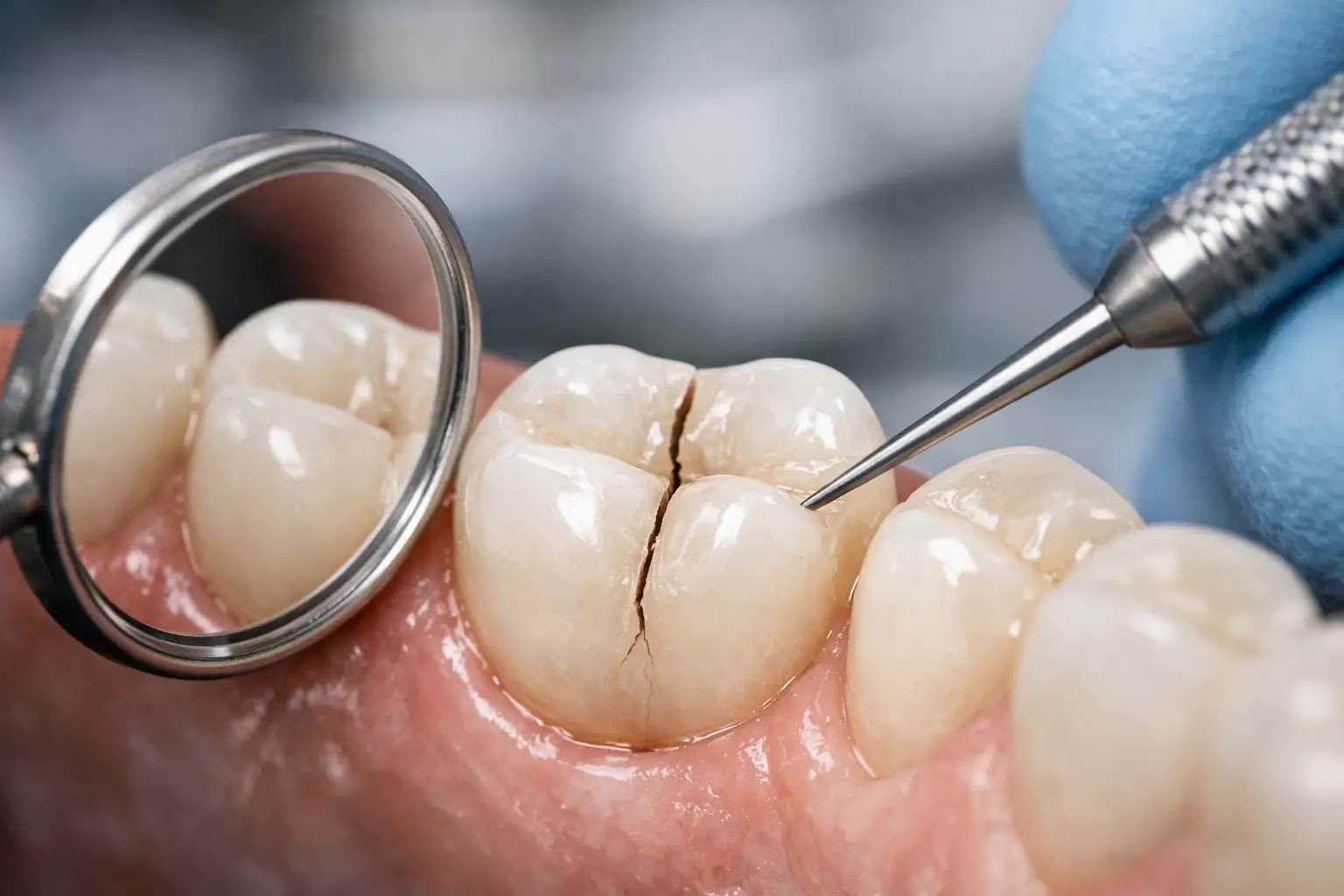
That sharp twinge when you bite down on lunch is often the first clue something is wrong. If you are searching for how to fix a cracked tooth, the most important thing to know is this: some cracks are minor and repairable with conservative treatment, while others need urgent care to save the tooth and prevent pain, infection, or a more expensive repair later.
A cracked tooth rarely fixes itself. The right next step depends on how deep the crack goes, where it sits, and whether the tooth nerve is involved. Waiting can turn a small problem into a broken cusp, an abscess, or a tooth that can no longer be restored. The good news is that modern dentistry offers several effective ways to treat cracked teeth comfortably and quickly.
How to fix a cracked tooth depends on the type of crack
Not every crack means the same thing. Some are surface-level lines in enamel that do not cause pain and may only need monitoring or cosmetic treatment. Others split through the chewing surface and make biting uncomfortable. A deeper crack can reach the inner pulp, where the tooth’s nerve and blood supply sit.
Dentists usually look at a few key factors before recommending treatment. They check whether the tooth hurts with pressure, whether hot or cold causes lingering sensitivity, whether part of the tooth has broken away, and whether the crack extends below the gumline. X-rays can help rule out infection or bone changes, but very fine cracks do not always show clearly on imaging, which is why an exam matters.
In practical terms, there are a few common scenarios. A tiny craze line may need no immediate repair. A small chipped or cracked area may be restored with bonding. A tooth with a larger structural crack often needs a crown to hold it together. If the nerve is inflamed or infected, root canal therapy may be needed before the tooth is protected with a crown. If the crack runs too far below the gum or splits the root, removing the tooth may be the healthiest option.
What to do right away before your appointment
If you think you cracked a tooth, avoid chewing on that side. Stick to softer foods and skip hard, sticky, or crunchy items like nuts, ice, popcorn, and chewy candy. These can worsen the crack.
Rinse gently with warm water to keep the area clean. If there is swelling, a cold compress on the outside of the cheek can help. Over-the-counter pain relievers may reduce discomfort, but follow the label directions and avoid placing aspirin directly on the gums.
If a piece of tooth broke off, save it if you can and bring it with you. That will not always change treatment, but it can help your dentist evaluate the damage. If the cracked tooth has a sharp edge, dental wax from a pharmacy can protect your cheek or tongue until you are seen.
Most importantly, do not try a home repair kit as a long-term solution. Temporary materials can cover symptoms, but they do not strengthen the tooth or stop a deep crack from spreading.
Common dental treatments for a cracked tooth
Dental bonding for small cracks
Bonding is often used when the crack is small, the tooth is still structurally sound, and the main goal is to repair a chipped edge or seal a limited defect. A tooth-colored resin is shaped to the area and hardened with a special light.
This option is conservative and usually more affordable than larger restorations. It also blends well with natural enamel. The trade-off is that bonding is not the best choice for every high-pressure biting surface, especially if the crack weakens a back tooth significantly.
A dental crown for strength and protection
For many cracked molars and premolars, a crown is the most reliable way to protect the tooth. A crown covers the visible portion of the tooth and helps hold the structure together during chewing.
This is often the recommended treatment when a crack causes pain on biting or when a section of tooth has become fragile. A crown does not erase the crack inside the tooth, but it can prevent the damaged structure from flexing and worsening. In many cases, this is the treatment that allows patients to keep the tooth long term.
Root canal treatment if the nerve is affected
Sometimes a cracked tooth starts with sensitivity and progresses to spontaneous pain, lingering heat sensitivity, or throbbing. That can mean the crack has irritated or infected the pulp.
In that situation, root canal treatment may be necessary to remove the damaged nerve tissue, clean the inside of the tooth, and seal it. After that, the tooth is usually restored with a crown for support. Many patients feel nervous when they hear the words root canal, but modern techniques and local anesthesia make the procedure much more comfortable than its reputation suggests.
Extraction when the tooth cannot be saved
There are times when saving the tooth is not possible. If the crack extends deep below the gumline, splits the tooth into separate segments, or involves the root in a way that makes restoration unpredictable, extraction may be the most conservative and healthiest path.
That can feel discouraging, but it is not the end of the story. Replacing the tooth with a dental implant, bridge, or another appropriate option can restore function and appearance. A good dental team will walk you through what is truly restorable and what is not, without pushing treatment you do not need.
Signs you should seek same-day care
A cracked tooth is not always dramatic. Sometimes the symptoms come and go. Still, certain signs deserve prompt attention.
Call for urgent dental care if you have strong pain when biting, swelling around the tooth or jaw, sensitivity that lingers after hot or cold, a visible fracture line, bleeding around the tooth, or a piece of the tooth that has broken off. Pain that wakes you up or swelling that appears quickly should not wait.
Busy schedules are one reason people delay care, especially parents and working professionals. But dental cracks tend to get worse under everyday chewing forces. Getting seen early can mean the difference between a simple repair and a more involved treatment.
Can you fix a cracked tooth at home?
The short answer is no. You may be able to protect the area temporarily, but you cannot truly fix a cracked tooth at home. Tooth enamel does not grow back, and deeper structural damage needs professional treatment.
Online advice sometimes suggests clove oil, temporary filling material, or avoiding certain foods as a fix. These measures may help you get through the day, but they do not repair the crack. If the tooth hurts only once in a while, it can be tempting to put it off. That is exactly how small cracks become larger fractures.
What affects cost and treatment choice
Patients often want a simple answer, but cost and treatment depend on the extent of the damage. A minor bonded repair is very different from a crown, and a crown with root canal treatment is different again. Whether the tooth is in the front or back, whether it already has a large filling, and whether infection is present all influence the plan.
Insurance may help depending on your benefits, and financing can make care easier to manage over time. Just as important as price is value. The least expensive option today is not always the most affordable option if it fails quickly or leads to an extraction later.
A trustworthy dentist should explain what is urgent, what is optional, and what the pros and cons are for each approach. That kind of transparency matters, especially when you are in pain and trying to make a quick decision.
How dentists help make treatment more comfortable
Fear keeps many people from calling, especially if they have had a bad dental experience before. Cracked teeth are stressful enough without adding anxiety about the visit itself.
A modern office can make a big difference through digital imaging, gentle local anesthesia, clear communication, and a calm environment. For anxious patients, sedation options may also help make urgent treatment feel more manageable. At Dental Care of Plano, many families and working adults appreciate being able to get comprehensive care in one place, with scheduling options that fit real life.
How to lower the chance of another cracked tooth
Once a tooth has cracked, it is worth looking at why it happened. Sometimes the cause is obvious, like biting ice or an accidental injury. Other times it is ongoing pressure from grinding or clenching, large old fillings that weakened the tooth, or uneven bite forces.
A custom night guard may help if you grind in your sleep. Replacing failing restorations before they break further can also protect the tooth structure you still have. And if you tend to chew hard objects like pen caps or ice, changing that habit can spare your teeth a lot of stress.
If you are wondering how to fix a cracked tooth, the safest answer is to have it evaluated before it gets worse. The right treatment might be simple, but timing matters. A tooth that can be protected today may become much harder to save a few weeks from now, and your future self will be glad you made the call when the first warning sign showed up.