
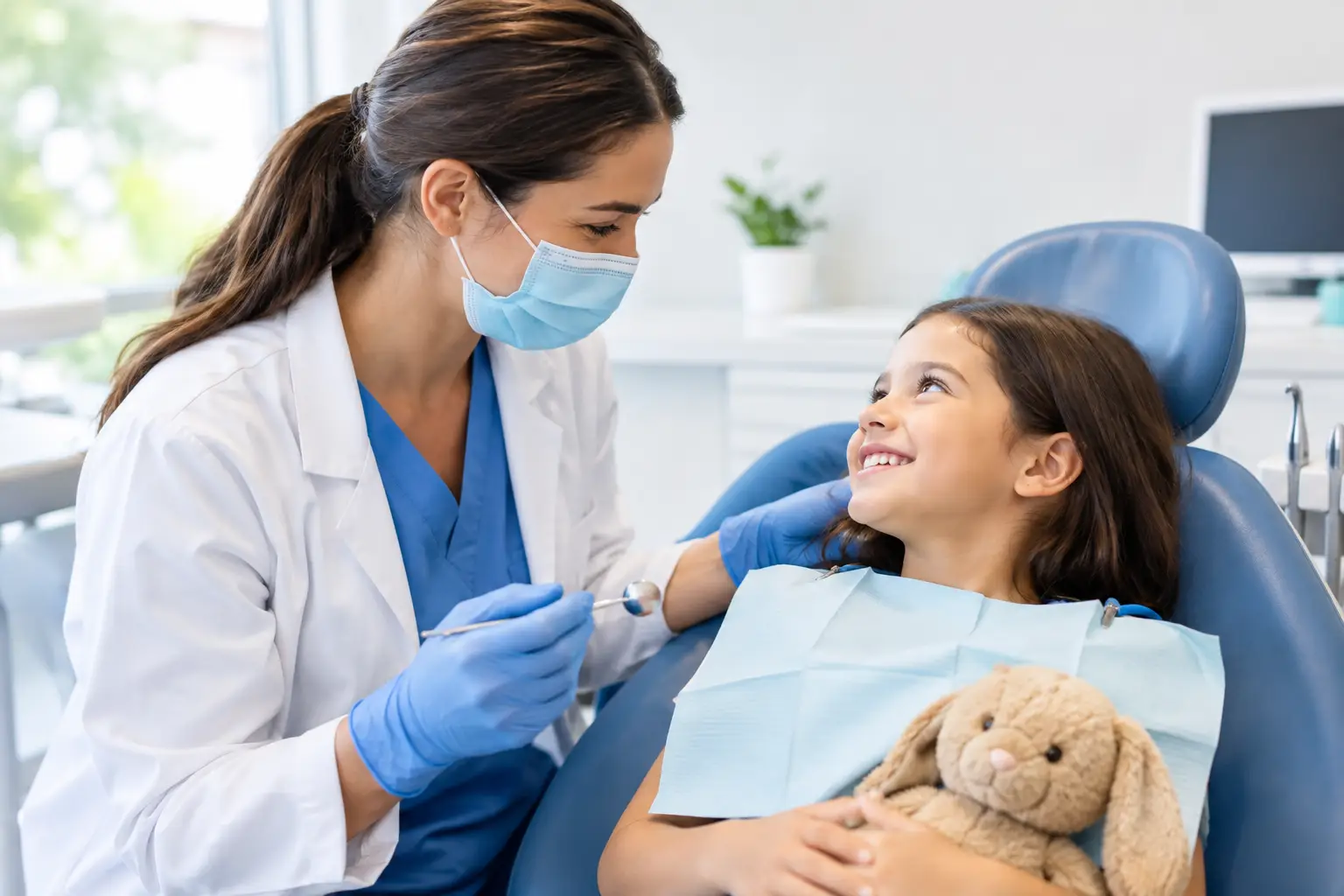
A child who grips the armrest, turns away from the dental chair, or asks whether a cleaning will hurt is not being difficult. They are asking for reassurance in the clearest way they know. A gentle dentist for children understands that a positive visit is about more than clean teeth. It is about helping a child feel heard, safe, and capable of returning with confidence.
For Plano families, that comfort matters from the very first appointment. The dental experiences children have early on can shape how they approach preventive care, treatment, and oral health for years. Gentle care combines clinical skill with patience, clear communication, and an environment where families do not feel rushed.
What Gentle Dental Care Looks Like for a Child
Gentle dentistry is not simply a softer tone of voice, although a calm voice helps. It is an approach that respects a child’s age, temperament, medical needs, and prior experiences. Some children walk in excited to sit in the chair. Others need time to look around the room, ask questions, or keep a parent nearby before they are ready to begin.
A caring dental team meets the child where they are. That may mean explaining each step in simple words, showing a child the toothbrush or mirror before using it, and giving them a moment to settle. For a young child, phrases such as “counting your teeth” can feel far less intimidating than unfamiliar clinical terms. For an older child, honest explanations build trust better than trying to minimize every concern.
Gentle care also means avoiding treatment that is not needed. Regular exams and digital X-rays, when appropriate, help the dentist identify concerns early, when treatment is often simpler and more comfortable. Conservative recommendations give parents clarity about what should be addressed now, what can be watched, and how to protect their child’s smile at home.
Why Early Visits Matter
Many parents wait until a child complains of pain before making a dental appointment. That is understandable, especially with busy school schedules and family budgets. But pain often means a concern has progressed beyond its earliest stage. A preventive visit gives children the chance to become familiar with the office when there is no urgent problem to solve.
Early appointments also give parents practical guidance. A dentist can check how teeth are developing, look for early signs of decay, discuss brushing techniques, and answer questions about thumb-sucking, pacifiers, fluoride, sports guards, or permanent teeth coming in. These conversations are tailored to the child in front of the dentist, not a one-size-fits-all checklist.
There is no need to make the visit feel overly serious at home. Tell your child they will meet a friendly dental team who will look at and count their teeth. Keep the explanation short and positive. Detailed promises about what will or will not happen can create anxiety if the appointment needs to change.
A First Visit Can Be Simple
For many children, a first appointment includes a gentle exam, a cleaning based on the child’s needs and cooperation, and time for the parent to speak with the dentist. The pace may be different for a toddler than for a school-age child. That is normal.
If a child is especially nervous, the first visit may focus primarily on building familiarity. A successful appointment is not always measured by how much is completed. Sometimes success is sitting in the chair, opening wide for a quick look, and leaving with a good feeling about coming back.
How a Gentle Dentist for Children Earns Confidence
Trust grows through small, consistent moments. Children notice whether adults listen when they say something feels strange or scary. They notice when they are praised for trying, rather than corrected for being afraid. Parents notice this, too.
A family-focused dental practice should explain findings and treatment options in straightforward language. If a cavity, broken tooth, or gum concern is discovered, parents deserve to understand why treatment is recommended, what it involves, and what alternatives may be available. There can be trade-offs. Monitoring a very early area may be reasonable in certain circumstances, while active decay, pain, or infection needs timely care.
Modern tools can improve both accuracy and comfort. Digital imaging uses less radiation than traditional film X-rays and allows the dental team to show parents what they see. Intraoral cameras can make a hidden concern easier to understand. Technology supports good decisions, but it never replaces a careful exam or a conversation with a parent.
At Dental Care of Plano, Dr. Banerjee and the team welcome children as part of the same long-term family relationship they build with parents and caregivers. Having one trusted dental home can make routine care more convenient, especially when siblings, parents, and children all need appointments around work and school schedules.
Helping Children Feel Prepared at Home
Parents do not need to become dental experts to make a meaningful difference. The goal is to make dental care feel ordinary, like a haircut, a checkup, or a visit to the eye doctor. A relaxed parent often helps a child stay relaxed as well.
A few simple habits are especially helpful:
- Schedule the appointment at a time when your child is usually rested and fed, when possible.
- Use calm, neutral words. Avoid describing dental care with words such as “shot,” “drill,” or “pain” before the team has explained what is needed.
- Bring a favorite small comfort item for younger children if it helps them settle.
- Let the dental team guide the language during the visit, since they are trained to explain care in child-friendly ways.
Avoid using the dentist as a threat for skipped brushing or candy. It may seem harmless, but it can make the dental office sound like a place of punishment. Instead, connect brushing to strong teeth, a fresh smile, and fewer problems later.
When a Child Needs More Than a Routine Cleaning
Even with excellent brushing and regular visits, children can need dental treatment. Cavities can develop in hard-to-clean grooves, baby teeth can be injured during play, and new permanent teeth can come in crowded or unevenly. A gentle practice helps parents respond without panic.
For a cavity, the dentist will consider the tooth involved, how deep the decay is, whether the child has symptoms, and how well the child can tolerate treatment. Baby teeth still matter. They support chewing, speech, comfort, and space for adult teeth. Leaving a painful or infected baby tooth untreated can affect more than the tooth itself.
Dental anxiety deserves the same thoughtful attention. Some children do well with a slower pace, breaks, comfort measures, and frequent reassurance. Others may benefit from sedation dentistry for more involved treatment or significant fear. Sedation is not automatically necessary, and it is not the right choice for every child. A dentist should review the child’s health history, the planned procedure, and the available options with the parent before making a recommendation.
Urgent concerns should not wait for a regular checkup. Call promptly if your child has facial swelling, persistent tooth pain, a broken tooth, a tooth knocked out, or an injury to the mouth. Timely evaluation can relieve discomfort and may improve the chances of saving an injured tooth.
Gentle Care Is Also Practical Care
Parents often carry the invisible work of coordinating school, activities, insurance, meals, and medical appointments. A child’s dental visit should not create unnecessary stress. Flexible scheduling, including evening and Saturday availability, can make it easier to keep preventive visits on track without pulling a child from school or missing work.
Cost should be discussed clearly as well. PPO insurance benefits, treatment estimates, and financing options can help families plan for care instead of postponing it because the next step is uncertain. The best time to ask questions is before treatment begins. A respectful dental team will welcome them.
A Healthier Relationship With Dentistry Starts Small
The most reassuring dental appointment is often not the one with the fewest nerves. It is the one where a child learns, little by little, that unfamiliar things can be handled with support. With a patient dental team, regular preventive care, and a parent’s calm encouragement, the dental chair can become just another place where your child is cared for well.