
A straighter smile should fit your life, not make it harder to manage. When patients ask about clear aligners vs braces, the best answer is rarely one-size-fits-all. Both treatments can correct crowded, crooked, spaced, and misaligned teeth, but they work differently and ask different things of you each day.
For a busy Plano parent, working professional, or teen with a full schedule, the choice often comes down to more than appearance. Comfort, treatment needs, eating habits, consistency, budget, and confidence all matter. A thoughtful orthodontic evaluation helps identify the option that can move your teeth safely and predictably while respecting your goals.
Clear Aligners vs Braces: The Main Difference
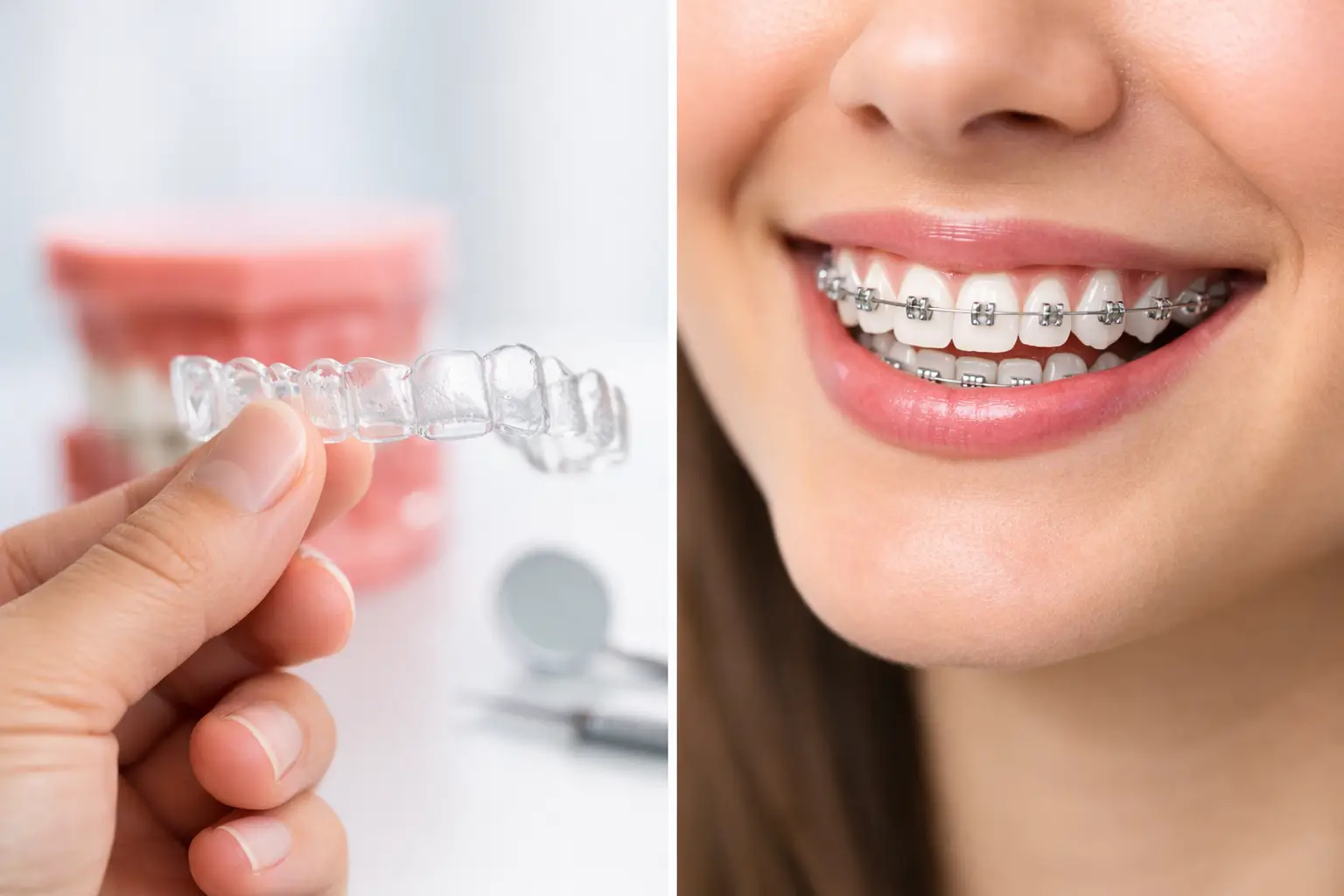
Clear aligners are a series of custom, removable plastic trays. Each set is worn for a prescribed period, typically one to two weeks, before moving to the next set. The trays apply gentle, planned pressure to guide teeth into better positions over time.
Traditional braces use brackets that are bonded to the teeth and connected with an archwire. Your dentist adjusts the wire at scheduled visits to keep tooth movement progressing. Braces stay in place throughout treatment, so they are working around the clock without relying on the patient to remember to put them back in.
Both options require professional planning, monitoring, and retention after active treatment. The right choice depends on your bite, the complexity of the movement needed, and how well the treatment fits your routine.
Appearance: Discreet Trays or Visible Brackets
For many adults and older teens, the visual difference is the first consideration. Clear aligners are designed to be subtle. They fit closely over the teeth and are difficult to notice in everyday conversation, photos, and professional settings. You remove them for meals and brushing, which can make social events and special occasions feel more comfortable.
Braces are more noticeable, although modern brackets are smaller and more comfortable than many people remember. Some patients enjoy choosing colored bands, especially children and teens who see braces as part of their personality. Others prefer the confidence of a treatment that is visible but not removable.
Neither choice is more “grown-up” or more effective simply because of how it looks. The best treatment is the one that is appropriate for your smile and realistic for your day-to-day life.
Comfort and Everyday Care
Any orthodontic treatment can create pressure or tenderness when teeth begin moving. That feeling is usually temporary and is often a sign that treatment is doing its job. Still, the daily experience differs.
Clear aligners have smooth edges and no wires or brackets, so they generally cause fewer cheek and lip irritations. They are removed before eating, allowing you to enjoy foods such as popcorn, nuts, apples, and chewy bread without worrying about damaging an appliance. You can brush and floss normally after meals, then place the clean aligners back in.
Braces require a little more adjustment. Food can collect around brackets and wires, making careful brushing and flossing especially important. Hard, sticky, and crunchy foods may need to be limited to prevent broken brackets or bent wires. A loose wire or bracket can occasionally require an extra appointment.
That said, braces have a practical advantage for patients who do not want the responsibility of a removable appliance. Once braces are on, there is no tray to misplace, leave at a restaurant, or forget during a hectic morning.
The Commitment Clear Aligners Require
Clear aligners usually need to be worn about 20 to 22 hours per day. They should come out only for eating, drinking anything other than plain water, and cleaning your teeth. Wearing them less than recommended can slow treatment or prevent teeth from tracking as planned.
This is where honest self-assessment matters. If you can build a routine around placing trays back in after every meal and keeping them in overnight, aligners may be an excellent fit. Many organized adults and responsible teens do very well with them.
If your schedule is unpredictable, you snack often, or you know you may struggle with consistent wear, braces may be the more dependable option. There is no judgment in that decision. Orthodontic treatment works best when it is designed around your real habits, not the habits you wish you had.
Which Treatment Handles More Complex Cases?
Clear aligner technology has advanced significantly. Many cases involving mild to moderate crowding, spacing, rotated teeth, and certain bite concerns can be treated successfully with aligners. Attachments, which are small tooth-colored shapes placed on selected teeth, can help aligners create more precise movement.
Braces may be recommended when teeth need more extensive movement, when a bite is especially complex, or when close control is needed throughout treatment. They can be particularly useful for significant rotations, severe crowding, teeth that need to move vertically, and some jaw-related bite concerns.
The important distinction is not that one option is universally better. It is that your teeth, gums, bite, and long-term oral health need to be evaluated before making a choice. Conservative treatment planning means recommending the option that can deliver a stable, healthy result, even if it is not the option you expected.
Treatment time can be similar
Many people assume aligners are always faster, but treatment time depends more on the condition being corrected and how consistently treatment instructions are followed. Some patients complete aligner treatment in months, while others need longer. Braces can also range from relatively short treatment to a more extended process for complex bite correction.
With aligners, missed wear time can add time to the plan. With braces, broken brackets, missed adjustment visits, or poor hygiene can create delays. Keeping scheduled appointments and following guidance at home makes a meaningful difference with either choice.
Cost, Insurance, and Planning Ahead
The cost of clear aligners and braces varies based on the complexity of your case, the estimated treatment time, and whether additional appliances or follow-up refinements are needed. In many cases, the price difference is smaller than patients expect, but it is not helpful to assume the two options cost the same.
A clear financial conversation should happen before treatment begins. Ask what is included in your estimate, whether retainers are included after treatment, how your PPO dental insurance may apply, and whether monthly financing is available. Knowing the full plan allows you to compare options without surprises.
It is also worth considering the cost of convenience. Aligners may make professional, social, and oral hygiene routines easier for some patients. Braces may reduce the risk of lost appliances and give parents peace of mind when a child is not ready for a removable treatment. Value is personal, and the least expensive starting option is not always the best fit over the course of treatment.
Oral Health Comes First
Before starting braces or aligners, your teeth and gums should be healthy. Cavities, active gum disease, or untreated dental concerns may need attention first. Moving teeth in the presence of inflammation can compromise comfort and long-term results.
During treatment, regular cleanings and exams remain essential. With clear aligners, brush and floss before reinserting trays to avoid trapping food and bacteria against the teeth. Clean the trays gently as instructed. With braces, take extra time around the gumline, brackets, and wires, and consider tools such as an interdental brush or floss threader if recommended.
At Dental Care of Plano, a comprehensive approach can be especially helpful because orthodontic planning, preventive care, restorative needs, and cosmetic goals can be considered together. Rather than viewing straighter teeth as an isolated service, your care team can focus on the health and appearance of your entire smile.
How to Decide With Confidence
Clear aligners may be a strong choice if you want a less noticeable treatment, can wear trays consistently, and have a case suited to removable orthodontics. Braces may be the better fit if your tooth movement is more complex, you prefer a treatment that stays in place, or you do not want to manage removable trays throughout the day.
A consultation gives you more than a yes-or-no answer. It should include an examination of your bite, a discussion of your goals, a realistic timeline, and a straightforward conversation about comfort, costs, and care at home. Bring up concerns about dental anxiety, work presentations, school activities, eating habits, and budget. Those details are part of good treatment planning.
A straight smile is not just about a photo at the end of treatment. Choose the path that you can follow comfortably and consistently, with a dental team that makes you feel heard at every visit.