
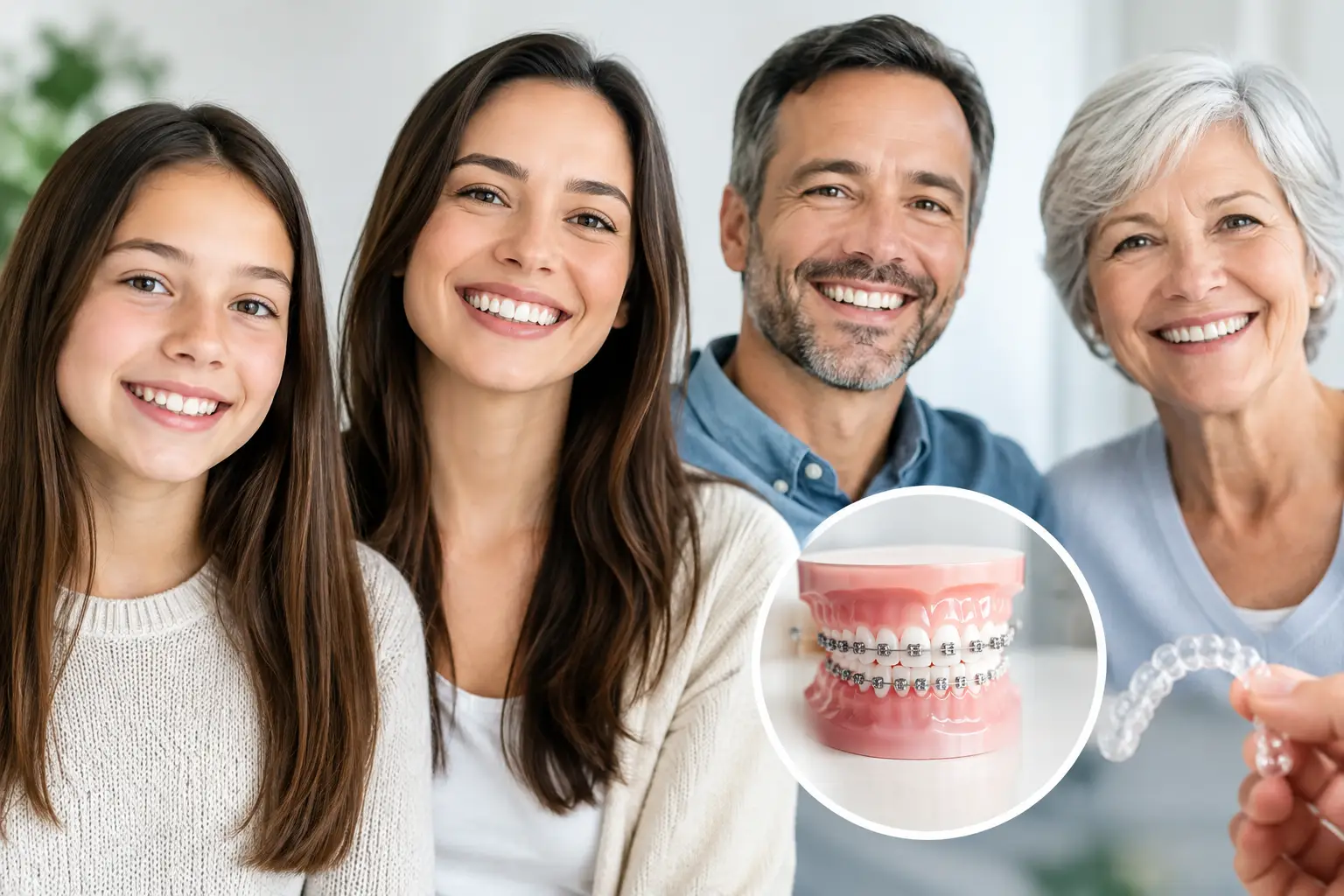
A tooth that overlaps its neighbor may seem like a cosmetic concern, but the right treatment can do more than change a smile. Crowding, gaps, and bite problems can make brushing harder, contribute to uneven wear, and sometimes cause jaw discomfort. The best options for crooked teeth depend on what is moving, why it is out of position, and what you want treatment to accomplish.
For some patients, the priority is a straighter-looking front smile before an important milestone. For others, it is helping a child’s developing bite or correcting teeth that have shifted years after braces. A comfortable, informed exam is the best place to start. Your dentist can assess your teeth, gums, bite, bone support, and oral health before recommending a treatment that fits your needs, schedule, and budget.
Best Options for Crooked Teeth: Start With the Cause
Not all crooked teeth need the same solution. Mild crowding in the front teeth is very different from a crossbite, an underbite, a large gap, or teeth that have shifted because of gum disease or a missing tooth. Moving teeth without addressing the underlying concern can create a result that is less stable or less healthy over time.
A complete evaluation may include digital X-rays, photographs, impressions or scans, and a review of your bite. This helps identify issues such as cavities, inflamed gums, bone loss, damaged teeth, or jaw alignment concerns. In many cases, preventive or restorative treatment should come first. Healthy gums and teeth provide the foundation for successful orthodontic or cosmetic care.
Your dentist will also discuss your goals honestly. If you want a subtle improvement in one or two teeth, full orthodontic treatment may not be necessary. If your bite is causing uneven wear or discomfort, a cosmetic shortcut may not solve the real problem. The most conservative option that meets your goals is often the right one.
Clear Aligners for Mild to Moderate Crowding
Clear aligners are removable, custom-made trays that gradually guide teeth into position. They are popular with working adults and teens who prefer a more discreet treatment than traditional braces. The trays are typically changed in a planned sequence, with periodic appointments to make sure treatment is progressing as expected.
Aligners can be an excellent choice for many mild to moderate spacing, crowding, and relapse cases. Because they are removable, you can take them out for meals and brush and floss normally. That convenience matters for busy patients who want to maintain their routines and feel confident during work, school, or social events.
The trade-off is consistency. Aligners generally need to be worn about 20 to 22 hours per day. Taking them out frequently or forgetting to wear them can extend treatment and affect the result. They also may not be the best choice for every complex bite issue, severe rotation, or tooth movement. Attachments, small tooth-colored shapes placed on select teeth, may be needed to help aligners create precise movement.
Treatment time varies, but many straightforward cases take months rather than years. After treatment, a retainer is essential. Teeth naturally tend to shift, especially if they have moved before, so retention is part of protecting your investment in your smile.
Traditional Braces Offer Reliable Control
Traditional braces use brackets and wires to move teeth with steady, controlled pressure. They remain one of the most dependable options for significant crowding, complex bite concerns, and movements that require more precision. Modern braces are smaller and more comfortable than many patients remember.
For children and teens, braces can be especially useful because they do not depend on remembering to wear trays each day. They may also be recommended for adults with complex alignment needs. While braces are visible, they are a proven treatment with a long track record of creating healthy, stable results when paired with good home care and retainers.
Braces do require extra attention when brushing and flossing. Food can collect around brackets and wires, so daily cleaning and regular dental visits are important. Some patients experience temporary soreness after adjustments, but this usually improves quickly. Your dental team can share practical tips for eating comfortably and keeping your teeth clean throughout treatment.
Cosmetic Bonding and Veneers for Select Cases
When teeth are healthy and the alignment issue is minor, cosmetic dentistry can sometimes improve the appearance of a smile without moving every tooth. Dental bonding uses tooth-colored resin to reshape a tooth, close small gaps, or make a slightly rotated tooth appear more balanced. It is often a conservative and cost-conscious option for small changes.
Veneers are thin, custom shells bonded to the front surfaces of teeth. They can address shape, color, small gaps, and mild visible misalignment. Veneers may be a good fit for a patient who also wants to improve worn, chipped, or deeply stained front teeth.
However, veneers and bonding do not correct the actual position of the tooth or fix a bite problem. Veneers also usually require some enamel preparation, making them a more permanent decision than orthodontic treatment. For that reason, it is wise to discuss whether clear aligners or braces could address the alignment first, especially when healthy tooth structure can be preserved.
When Tooth Replacement Is Part of the Plan
A missing tooth can allow nearby teeth to drift or tip into the empty space. In these situations, orthodontic treatment may be used to create or preserve the correct amount of room before replacing the tooth with an implant, bridge, or another restoration. Planning matters because the final result should support both appearance and comfortable chewing.
Patients with advanced gum disease may need periodontal treatment before any tooth movement is considered. Moving teeth with active inflammation or poor bone support can put oral health at risk. A family dentist who can coordinate preventive, restorative, periodontal, and cosmetic care can make the process feel more straightforward, especially when several needs must be addressed together.
Choosing the Right Option for Your Lifestyle
There is no single “best” treatment for every crooked smile. Clear aligners may suit an adult with mild crowding who can wear trays consistently. Braces may be better for a teen with a complex bite or an adult who wants maximum control over tooth movement. Bonding or veneers may be appropriate when the concern is limited to the visible appearance of one or two teeth.
As you compare options, consider more than the initial cost. Ask how long treatment may take, whether it will improve your bite, how much daily care it requires, what follow-up visits are needed, and how retainers or future maintenance fit into the plan. PPO insurance benefits, financing options, and flexible scheduling can also make care easier to manage for families and working professionals.
At Dental Care of Plano, Dr. Banerjee and the team take time to explain recommendations clearly, so you can choose care without pressure. A modern exam can show what is possible and whether a conservative approach can meet your goals.
A straighter smile should feel like your own, not like a treatment plan chosen in a hurry. Whether your next step is aligners, braces, a small cosmetic improvement, or simply an evaluation, choosing a plan built around healthy teeth and a comfortable bite gives your result a stronger future.