
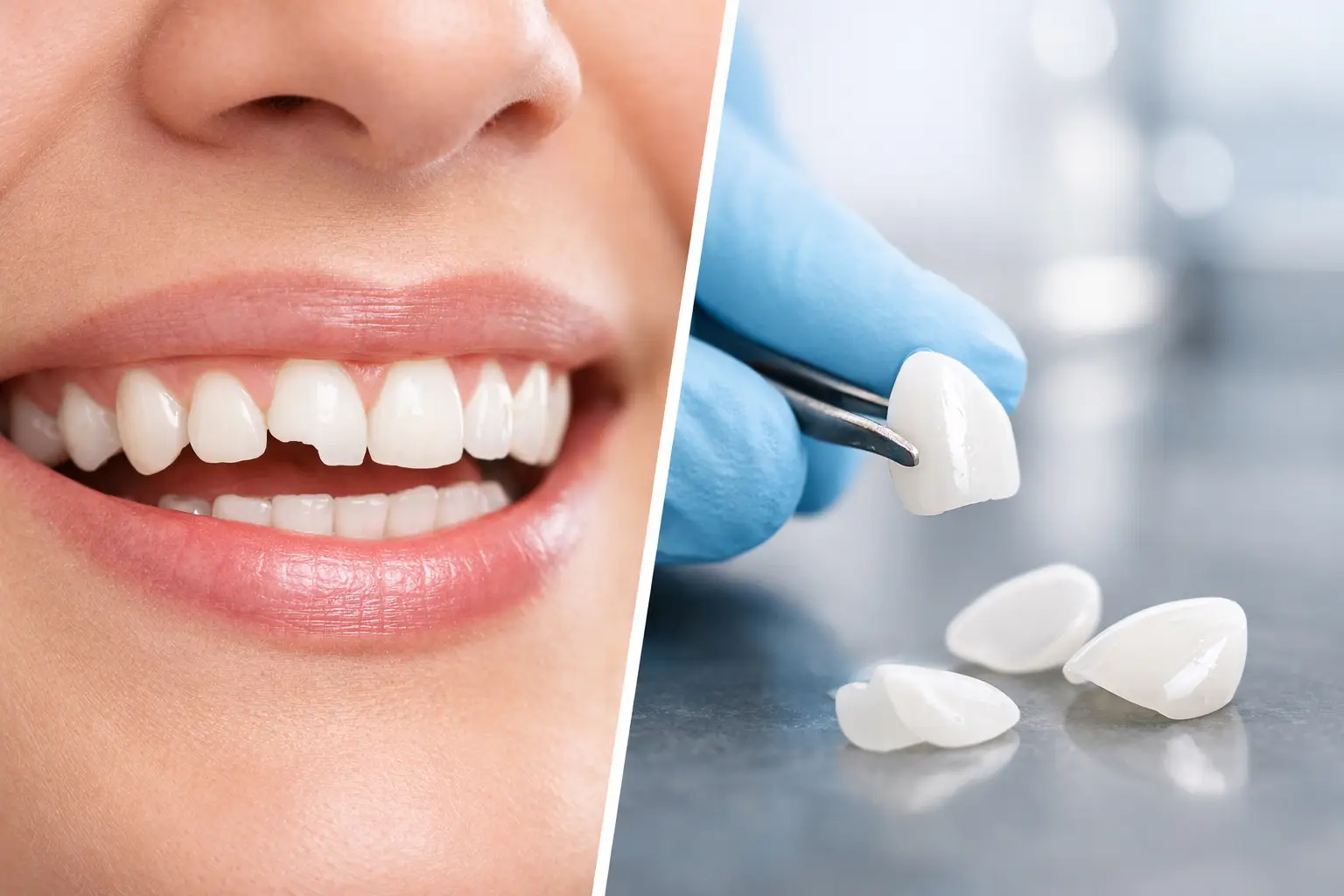
A chipped tooth can happen fast – one hard bite, one sports injury, one slip with a coffee mug – and suddenly your smile feels different. If you are wondering, are veneers good for chipped teeth, the honest answer is yes in some cases, but not all. Veneers can be an excellent cosmetic solution for certain chips, especially on front teeth, but the best treatment depends on how large the chip is, where it is located, and whether the tooth is still structurally healthy.
For many patients, the first concern is appearance. A chip on a front tooth can make you feel self-conscious in meetings, family photos, or everyday conversation. The second concern is function. Some chips are only cosmetic, while others leave a rough edge, increase sensitivity, or make the tooth more vulnerable to further damage. That is why a careful exam matters before choosing any treatment.
Are veneers good for chipped teeth in every case?
Not in every case. Veneers are thin porcelain shells bonded to the front surface of a tooth. They are designed to improve shape, color, and symmetry, which makes them a strong option when a chip affects the visible part of a front tooth and the rest of the tooth is healthy.
A veneer can cover the damaged area and blend naturally with your smile. It can also correct other cosmetic concerns at the same time, such as uneven edges, mild discoloration, or small gaps. For someone who wants a long-lasting cosmetic upgrade instead of a small patch repair, veneers often make sense.
But veneers are not always the most conservative choice. If the chip is tiny, cosmetic bonding may repair it beautifully with less tooth preparation. If the tooth has a large fracture, major decay, or weakness from past dental work, a crown may offer better protection. If the chip exposes the nerve or extends below the gumline, emergency treatment comes first and cosmetic planning comes later.
When veneers are a good choice
Veneers tend to work best for small to moderate chips on front teeth. These are the situations where they are often recommended:
The chip is visible when you smile
If the damage is on a front tooth, appearance matters as much as strength. Veneers are known for their lifelike look, which makes them a popular choice for restoring a smooth, even smile.
The tooth is otherwise healthy
A veneer needs a solid foundation. If the tooth has enough healthy enamel and no major structural damage, a veneer can be both durable and attractive.
You want more than just a repair
Some patients do not only want the chip fixed. They also want to improve the tooth’s shape, length, or color. In that situation, a veneer can do more than bonding because it reshapes the front of the tooth in a more comprehensive way.
You want a stain-resistant cosmetic result
Porcelain veneers resist staining better than composite bonding. If you drink coffee, tea, or red wine regularly, that can be an advantage over time.
When veneers may not be the best option
This is where the answer to are veneers good for chipped teeth becomes more nuanced. A good treatment plan should protect your tooth, not just improve its appearance.
The chip is very small
For a minor chip, bonding is often the more conservative option. Your dentist can place tooth-colored composite material directly onto the chipped area, shape it, and polish it in one visit. It is usually faster and less expensive than a veneer.
The tooth is badly weakened
If a large portion of the tooth is missing, a veneer may not provide enough support. A crown covers more of the tooth and may be the safer long-term choice.
The damage is on a back tooth
Veneers are most commonly used on front teeth. Back teeth handle stronger biting forces, so other restorative options are often better suited there.
You grind or clench your teeth
Patients who grind their teeth can chip natural teeth and damage veneers. That does not automatically rule veneers out, but it does mean your dentist may recommend a night guard and take extra care in treatment planning.
Veneers vs bonding for chipped teeth
This is often the real decision.
Bonding is usually the simplest fix for a small chip. It can often be completed in one appointment, it preserves more natural tooth structure, and it costs less upfront. For many patients, especially those with minor cosmetic damage, bonding is a very practical place to start.
Veneers usually involve more planning and a higher investment, but they can provide a more polished and longer-lasting cosmetic result. Porcelain reflects light more like natural enamel and tends to hold its color better over the years. If the chipped tooth also has cosmetic issues beyond the chip itself, veneers may offer a more complete improvement.
The trade-off is that veneers are not usually the first choice if the only problem is one tiny corner chip on an otherwise beautiful tooth. In that case, bonding may be the more conservative answer.
What about crowns?
Crowns come into the conversation when the chip is large enough to compromise the strength of the tooth. Unlike a veneer, which covers the front surface, a crown covers the entire visible portion of the tooth.
That added coverage can be important if the tooth has a large fracture, extensive wear, a large filling, or a root canal. A crown is less about cosmetic refinement and more about full protection. It can still look very natural, but its main job is to hold onto a weakened tooth and help prevent future breakage.
What the veneer process usually involves
If veneers are the right fit, the process is straightforward and carefully planned. First, your dentist examines the chipped tooth, checks your bite, and makes sure there are no deeper problems such as cracks, decay, or nerve involvement. This is also the time to talk about your goals, budget, and schedule.
Next, a small amount of enamel may be reshaped to make room for the veneer. Impressions or digital scans are taken so the veneer can be customized to your smile. A temporary may be placed while the final porcelain veneer is made.
At the delivery visit, the veneer is checked for fit, color, and comfort, then bonded securely to the tooth. Once polished, it should look natural and feel smooth.
For busy families and working professionals, this kind of planned treatment can be much easier to manage when your dental office offers flexible scheduling and a full range of care in one place.
How long do veneers last on chipped teeth?
Porcelain veneers can last many years with good care. Longevity depends on your bite, your habits, and how well you protect the restoration. Avoiding ice chewing, not using your teeth to open packages, and wearing a night guard if you grind your teeth can all help.
Routine dental visits matter too. Your dentist can monitor the veneer, check the surrounding gum tissue, and catch wear early before it turns into a bigger issue.
Cost matters, and so does value
For many patients, cost is part of the decision. Bonding usually costs less upfront, while veneers generally cost more but may offer better aesthetics and stain resistance over time. Crowns can also be a larger investment, especially when structural repair is needed.
The right question is not only which option costs less today. It is which option fits your tooth, your goals, and your long-term oral health. A repair that looks nice but does not protect the tooth well enough may lead to more treatment later.
That is why a conservative, patient-centered exam is so important. At Dental Care of Plano, many patients appreciate having cosmetic, restorative, and emergency options under one roof because it makes the decision clearer and less stressful.
How to know which treatment is right for you
The best treatment starts with a few practical questions. How big is the chip? Is it on a front tooth or back tooth? Do you have pain or sensitivity? Are you mainly concerned about appearance, or is the tooth weak? Do you want the most conservative fix, or are you hoping for a broader cosmetic improvement?
Those answers guide the plan. A small chip may call for bonding. A visible chip with cosmetic concerns may be ideal for a veneer. A larger fracture may need a crown. And if the damage is sudden or painful, urgent dental care should come first.
If you have chipped a tooth, do not wait too long to have it checked. Even a chip that seems minor can leave sharp edges, collect plaque, or worsen with daily use. The good news is that modern dentistry offers several effective ways to restore both comfort and confidence. The right choice is the one that keeps your smile looking natural, your tooth protected, and your care aligned with your real needs.