
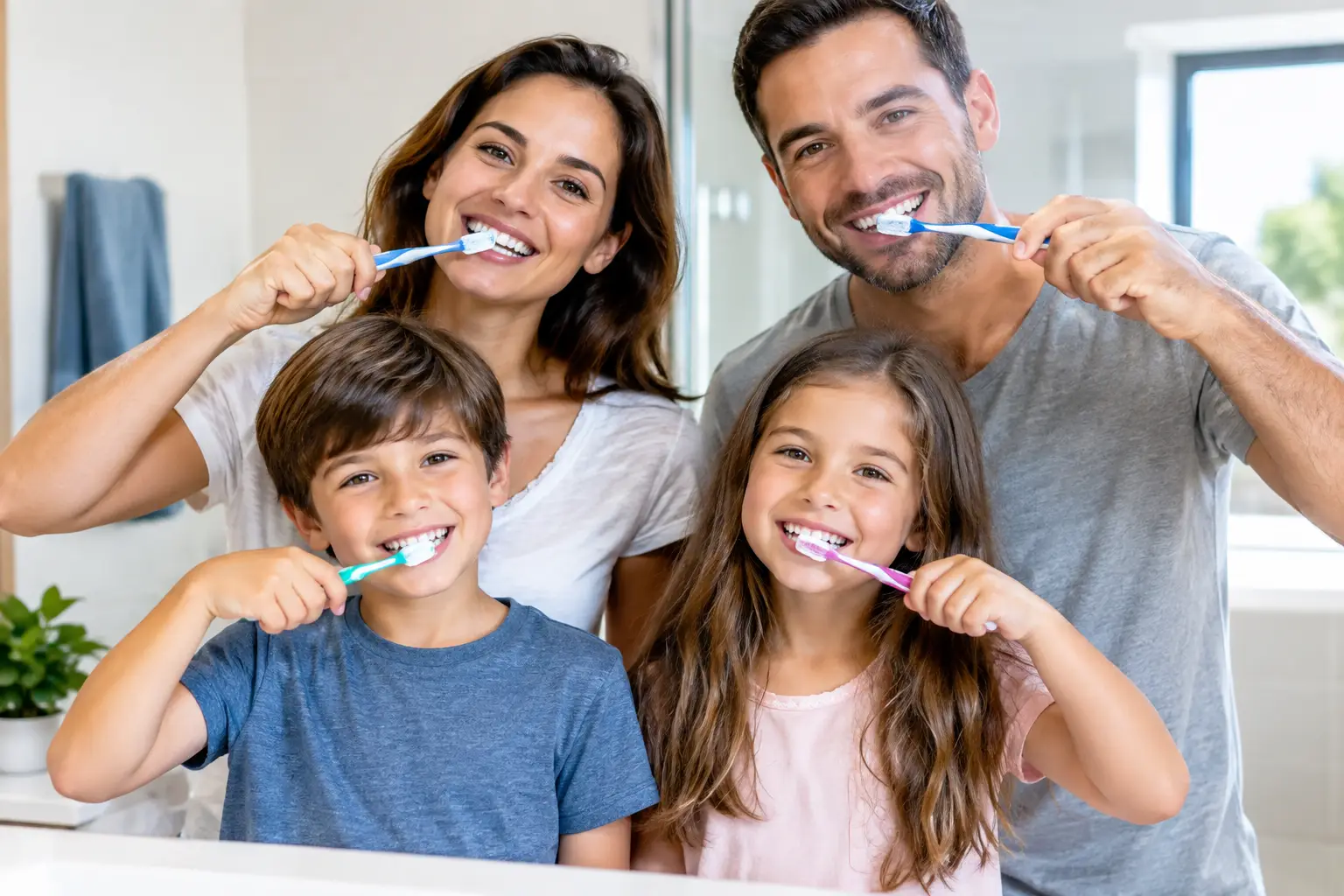
A cavity rarely starts with a sudden toothache. It often begins quietly, when plaque bacteria use sugars from food and drinks to create acids that weaken enamel over time. The best ways to prevent cavities are not complicated, but they do require steady habits at home and regular professional care. For busy Plano-area families, the goal is a routine that protects teeth without adding stress to an already full schedule.
Best Ways to Prevent Cavities Every Day
Cavity prevention works best when several small choices support each other. Brushing matters, but brushing alone cannot fully offset frequent sugary drinks, skipped cleanings, or hard-to-reach plaque between teeth. A consistent plan gives your family the strongest protection.
Brush twice daily with fluoride toothpaste
Brush for two full minutes in the morning and before bed using a soft-bristled toothbrush and fluoride toothpaste. Fluoride helps strengthen enamel and can repair very early areas of mineral loss before a cavity forms. For adults and older children, use a pea-sized amount of toothpaste and spit after brushing rather than rinsing thoroughly with water. Leaving a small amount of fluoride on the teeth can provide added protection.
For young children, parents should help with brushing until the child has the coordination to do a thorough job independently. A smear of fluoride toothpaste about the size of a grain of rice is generally used for children under age 3, while a pea-sized amount is appropriate for ages 3 to 6. Encourage children to spit, but do not worry if they have not mastered it yet. Your dentist can offer guidance based on your child’s individual needs.
Technique matters as much as timing. Angle the brush gently toward the gumline, use small circles, and clean the front, back, and chewing surfaces of every tooth. Brushing aggressively does not make teeth cleaner and may irritate gums or wear down enamel near the gumline.
Clean between teeth once a day
A toothbrush cannot reach the tight spaces where neighboring teeth touch. Floss, interdental brushes, or a water flosser can remove food debris and plaque from these areas. This is especially valuable for people with crowded teeth, braces, bridges, or dental implants.
Traditional floss is highly effective when used correctly, but the best choice is the one you will use consistently. If string floss feels difficult, floss picks or an interdental brush may help make the habit more realistic. Children often need help flossing until they can manage it safely and thoroughly.
Make water your default drink
What you sip throughout the day can affect your cavity risk more than you might realize. Each time teeth are exposed to sugar or acid, the mouth becomes more acidic for a period of time. Frequent soda, sweet tea, sports drinks, energy drinks, juice, flavored coffee, and sweetened sparkling water can create repeated acid attacks on enamel.
Plain water is the easiest everyday choice. It rinses the mouth, supports saliva flow, and in many communities provides fluoride. If you enjoy coffee, tea, or juice, try having it with a meal instead of sipping it slowly for hours. Drinking water afterward is a simple way to help clear sugars and acids away.
Sugar-free gum with xylitol can also be useful after a meal when brushing is not possible. Chewing gum stimulates saliva, which naturally helps neutralize acids. It is not a substitute for brushing or flossing, and it may not be suitable for everyone, but it can be a practical option for working adults and students on the go.
Watch the frequency of sugary snacks
You do not need to eliminate every treat to protect your teeth. What often matters most is how often sugar contacts the teeth. A dessert eaten with dinner is generally less risky than grazing on crackers, candy, gummies, or sweet drinks throughout the afternoon.
Sticky foods deserve extra attention because they cling to teeth longer. Dried fruit, caramel, gummy vitamins, and chewy candy can stay in grooves and between teeth even after a quick rinse. If these foods are part of your routine, have water afterward and brush when appropriate.
Choose tooth-friendly snack options more often, such as cheese, yogurt without added sugar, nuts, vegetables, eggs, or fresh fruit. These choices are not a guarantee against cavities, but they place less sugar exposure on teeth than frequent processed snacks.
Protect Teeth with Fluoride and Sealants
Fluoride is one of the most reliable tools in modern preventive dentistry. It strengthens enamel and makes teeth more resistant to acid. Most people benefit from fluoride toothpaste, while some patients with a history of cavities, dry mouth, orthodontic treatment, or exposed roots may benefit from additional fluoride treatments or prescription-strength products.
Sealants are another useful preventive option, especially for children and teens. Molars have deep grooves that can trap plaque even when a child brushes carefully. A sealant is a thin protective coating placed over the chewing surfaces of these back teeth. The process is quick and comfortable, and it can help lower the risk of decay in vulnerable grooves.
Adults may also be candidates for sealants in certain situations. Prevention is personal, so a dentist can recommend options based on your teeth, habits, and cavity history rather than using a one-size-fits-all approach.
Do Not Ignore Dry Mouth or Sensitivity
Saliva is one of the mouth’s natural defenses. It washes away food particles, neutralizes acids, and helps rebuild enamel. When saliva is reduced, cavity risk can rise quickly. Dry mouth may be related to medications, dehydration, mouth breathing, certain health conditions, or cancer treatment.
If your mouth frequently feels dry, sticky, or thirsty, mention it at your dental visit. Drinking more water may help, but persistent dry mouth often needs a more complete plan. Your dentist may recommend specific rinses, fluoride products, sugar-free gum, or changes to your routine.
Tooth sensitivity is also worth discussing. Sensitivity does not always mean a cavity, but it can signal worn enamel, gum recession, a cracked tooth, or early decay. Waiting for discomfort to become severe can make treatment more involved than it needs to be.
Keep Regular Dental Exams and Cleanings
Even excellent home care cannot remove hardened tartar or reliably spot every early cavity. Regular exams and cleanings allow your dental team to identify changes before they become painful or expensive. Early decay may sometimes be managed with fluoride, sealants, or small conservative restorations, depending on the situation.
The right visit schedule depends on your oral health. Many patients benefit from cleanings every six months, while those with gum disease, frequent cavities, dry mouth, or other risk factors may need more frequent visits. Children should begin dental visits early so they can become comfortable with care and build positive habits that last.
Modern digital X-rays can help detect cavities between teeth or beneath existing restorations, where they may not be visible during a visual exam. Your dentist will recommend imaging only when it is clinically appropriate.
Build a Routine That Fits Real Life
The most effective prevention plan is one your household can maintain. Keep toothbrushes visible, set a two-minute timer, and make nighttime brushing a nonnegotiable part of the bedtime routine. For families with different schedules, packing floss picks and water bottles can help protect teeth away from home.
If you have had several cavities in recent years, do not assume you are doing everything wrong. Cavity risk can be affected by genetics, saliva, medications, orthodontic appliances, diet, and past dental work. A caring dental team can help you identify the factors that matter most and create a practical plan without judgment.
At Dental Care of Plano, Dr. Banerjee and the team focus on comfortable, conservative prevention for patients of every age. A routine visit is an opportunity to ask questions, review your family’s habits, and address small concerns before they interrupt work, school, or family time. Healthy teeth are built through ordinary daily choices, and each good choice gives your smile another reason to stay strong.