
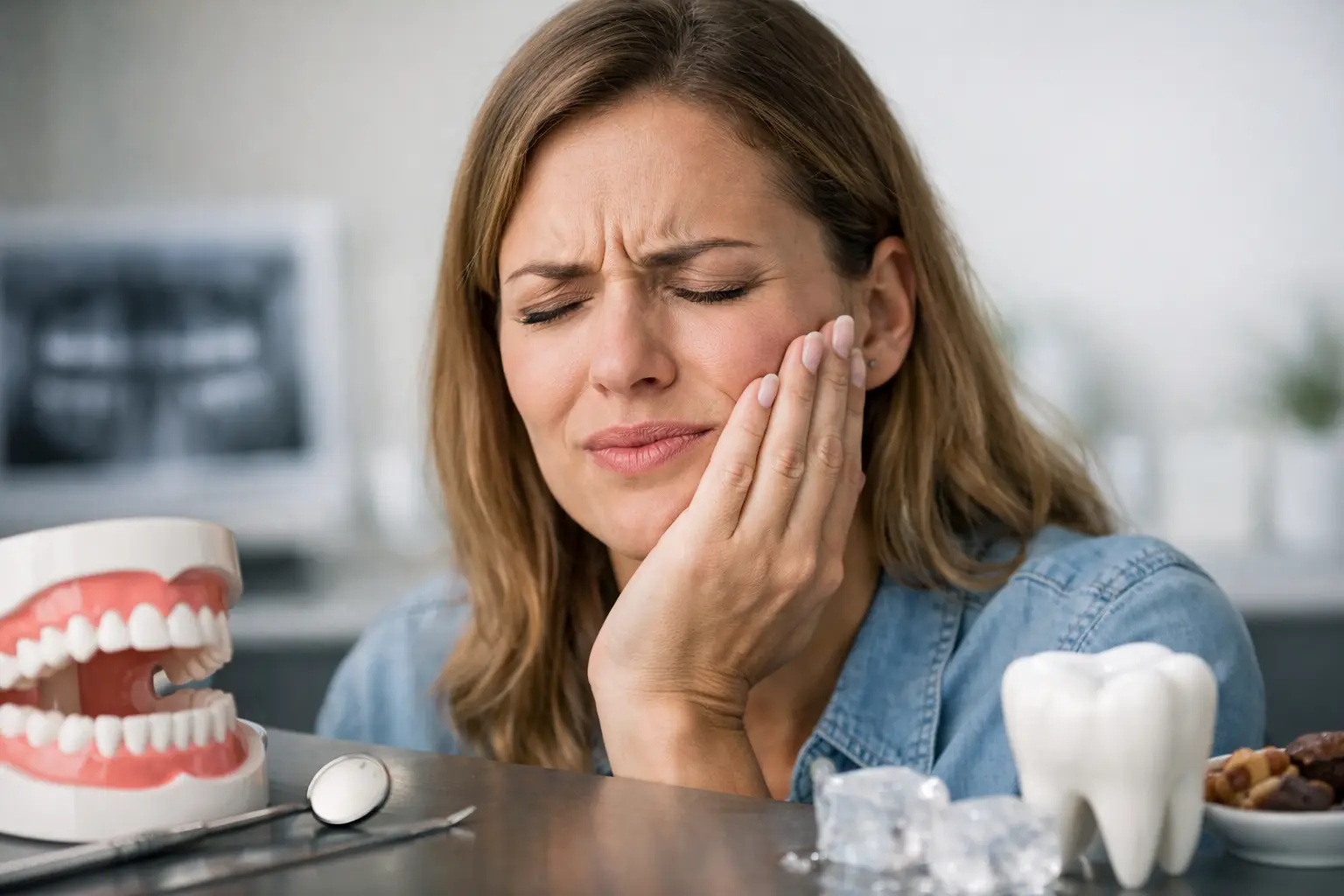
A toothache has a way of taking over your whole day. You try to sip coffee, chew lunch, or even breathe in cold air, and suddenly the only thing on your mind is, why does my tooth hurt?
That question can have more than one answer. Sometimes the cause is minor and temporary. Other times, tooth pain is your mouth’s way of telling you something needs attention before it gets worse. The good news is that most dental pain can be diagnosed and treated, especially when you do not wait too long to have it checked.
Why does my tooth hurt? The answer depends on the type of pain
Not all tooth pain feels the same, and that matters. A sharp pain when you bite down points to different problems than a dull, constant ache. Sensitivity to cold may suggest enamel wear or gum recession, while throbbing pain can signal infection or inflammation inside the tooth.
It also helps to notice whether the pain comes and goes or stays steady. If one side of your mouth hurts only when chewing, there may be a crack, a loose filling, or pressure on the ligament around the tooth. If the pain wakes you up at night or seems to pulse, that can be more urgent.
Common reasons a tooth starts hurting
One of the most common causes is tooth decay. A cavity can begin quietly, but once decay moves deeper into the tooth, it can irritate the nerve and cause sensitivity or pain. At first, you may only notice discomfort with sweets or cold drinks. As the cavity grows, the pain often becomes stronger and less predictable.
Another frequent cause is a cracked or chipped tooth. Some cracks are obvious, but many are small enough that you cannot see them in the mirror. Even a tiny fracture can create pain when you bite because the pressure causes movement in the damaged tooth structure.
Gum recession can also make a tooth hurt. When gums pull back, the root surface becomes exposed. Roots are more sensitive than enamel, so foods and drinks that never bothered you before may suddenly feel sharp or uncomfortable.
Inflammation inside the tooth, known as pulpitis, is another possibility. This can happen because of deep decay, trauma, repeated dental work, or infection. In mild cases, the tooth may be sensitive for a short time. In more advanced cases, the pain can linger, throb, or become severe enough to require root canal treatment.
Sometimes the tooth is not the real problem. Sinus pressure in the upper jaw can create pain that feels like a toothache. Teeth grinding, jaw clenching, or bite misalignment can also put stress on teeth and surrounding muscles, leading to soreness that is easy to mistake for a cavity.
When sensitivity is normal and when it is not
Brief sensitivity is not always a sign of serious damage. Whitening products, a recent dental cleaning, or mild enamel wear can all make teeth feel more reactive for a short time. If the discomfort is mild and improves quickly, it may not be an emergency.
What is less normal is sensitivity that is getting worse, lasting longer, or affecting daily life. If cold water hurts for several minutes after you take a sip, or if chewing on one side has become difficult, it is time to have the tooth evaluated. Pain that lingers usually means the tooth is inflamed beyond simple surface sensitivity.
Signs your tooth pain may need urgent care
Some symptoms should not be ignored. Swelling in the gums, face, or jaw can suggest infection. A bad taste in the mouth, pus near the tooth, fever, or pain that keeps getting stronger also deserves prompt attention.
A knocked-out tooth, a broken tooth with exposed inner structure, or sudden severe pain after biting something hard should be seen quickly as well. The sooner a dentist can examine the area, the better the chance of saving the tooth and relieving discomfort without more extensive treatment.
If you are asking, why does my tooth hurt, and the pain is affecting sleep, eating, or work, that alone is reason enough to schedule a visit. Dental problems rarely improve by being ignored.
What a dentist looks for during an exam
The first step is identifying exactly where the pain is coming from. That may sound simple, but tooth pain can travel. A patient may feel pain in one area while the real source is another tooth nearby or even the opposing jaw.
A dental exam usually includes checking the tooth visually, tapping or pressing around it, testing temperature sensitivity, and taking X-rays if needed. These tools help reveal decay, infection, cracks, bone loss, and issues below the gumline that cannot be seen from the surface.
This is one reason a professional diagnosis matters. Two people can both say they have a toothache and need completely different treatment. One may need a small filling. Another may need a crown, gum treatment, or emergency care. Guessing at home can delay relief.
Treatment depends on the cause
If decay is the problem, a filling may be enough when the cavity is still small. If the tooth is more damaged, a crown may be recommended to restore strength and protect what remains.
If the nerve inside the tooth is infected or badly inflamed, root canal treatment may be the best way to save it. This sounds intimidating to many patients, but modern care is focused on comfort. In most cases, people feel better after treatment because the source of the pain has been removed.
If the issue is a crack, treatment depends on how deep it goes. Some cracked teeth can be protected with a crown. Others may need more advanced care. Gum-related pain may improve with periodontal treatment, desensitizing products, or changes in home care.
If clenching or grinding is contributing to the pain, a custom night guard may help reduce pressure on the teeth and jaw. And if a tooth cannot be saved, extraction may be the healthiest option, followed by a plan to restore the area.
A good dental office will talk you through those options clearly. For many busy families and working adults, it helps to know that treatment can often be handled in one place, with flexible scheduling and a comfort-focused approach.
What you can do before your appointment
While you are waiting to be seen, keep the area as clean as possible. Rinse gently with warm salt water, avoid very hot or very cold foods if they trigger pain, and chew on the opposite side.
Over-the-counter pain relief may help temporarily if you can take it safely, but it is not a substitute for treatment. Do not place aspirin directly on the gum or tooth. That can irritate the tissue and create a new problem.
If swelling is present, a cold compress on the outside of the cheek may help reduce discomfort. Most importantly, do not wait for the pain to become unbearable. Many dental problems are simpler and more affordable to treat when caught early.
Why fast care matters for your comfort and your budget
People often delay dental visits because life is busy, they are nervous, or they are worried about cost. Those concerns are understandable. But a small problem can turn into a larger and more expensive one if it keeps progressing.
A cavity that might have needed a filling can become a root canal or extraction. Gum inflammation can advance into deeper infection. A cracked tooth can split further. Early diagnosis is not just about convenience. It often gives you more conservative treatment choices.
For patients who feel anxious, comfort matters too. Gentle dentistry, modern technology, and clear communication can make a real difference. At Dental Care of Plano, that patient-centered approach is especially important for families, professionals, and anyone who has been putting off care because of fear or a packed schedule.
The bottom line on tooth pain
If you are still wondering, why does my tooth hurt, the honest answer is that tooth pain has several possible causes, and the symptoms only tell part of the story. What matters most is not trying to diagnose it perfectly on your own. What matters is getting it checked before the problem has more time to grow.
You do not need to wait until pain becomes constant or severe to take it seriously. If something feels off, trust that signal and let a dentist help you get back to eating, sleeping, and smiling comfortably again.