
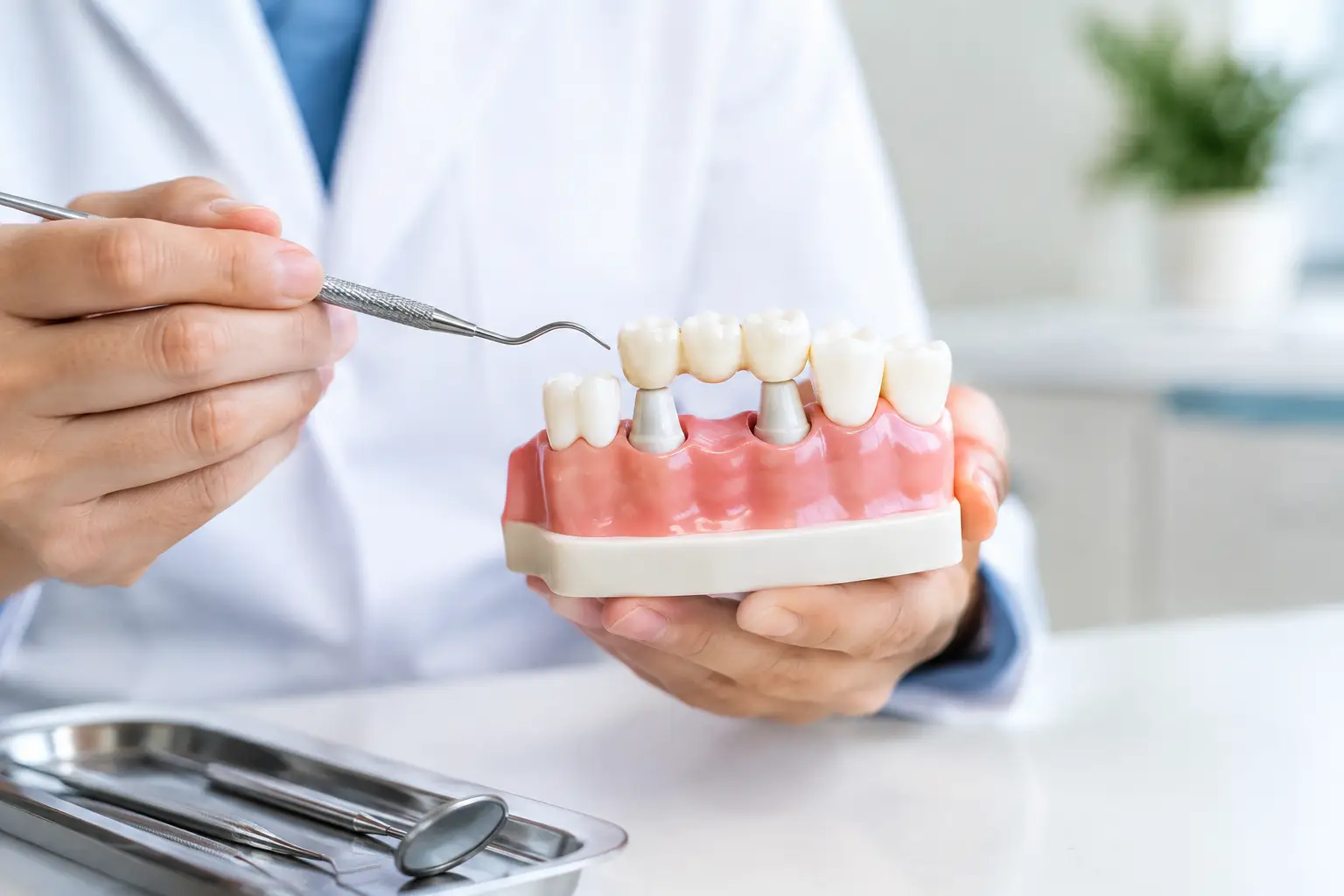
A missing tooth can change more than a smile. It may make chewing uncomfortable, affect how clearly you speak, or leave you avoiding photos and certain foods. This dental bridge treatment guide explains how a bridge replaces a missing tooth, what the process feels like, and how to decide whether it is the right choice for your needs and budget.
A dental bridge is a fixed restoration that fills a gap created by one or more missing teeth. It uses a realistic replacement tooth, called a pontic, supported by the healthy teeth or dental implants on either side of the space. Unlike a removable partial denture, a bridge stays in place, so it can feel more stable and natural during daily life.
Why replacing a missing tooth matters
It can be tempting to wait when the missing tooth is not visible. However, the teeth next to an open space can slowly shift toward it. The opposing tooth may also begin to move out of position because it no longer has a tooth to bite against. These changes can affect your bite, make cleaning more difficult, and create added stress on other teeth.
Replacing the tooth can help restore chewing function and support a balanced bite. For many patients, it also restores the confidence to smile, eat, and speak without second-guessing themselves. The right timing depends on the health of the surrounding teeth, gums, and bone, so a personal exam is the best place to start.
Dental bridge treatment guide: the main options
Not every bridge is designed the same way. Your dentist will recommend an option based on where the gap is located, how many teeth are missing, your bite, and the condition of the teeth beside the gap.
Traditional dental bridge
A traditional bridge is the most common option. The teeth on each side of the missing tooth are prepared for crowns, which support the replacement tooth between them. It is often a dependable choice when the neighboring teeth already have large fillings, crowns, or damage that would benefit from crown coverage.
Traditional bridges can be made from porcelain, ceramic, zirconia, or porcelain fused to metal. The best material depends on the location of the bridge, desired appearance, and bite strength. Modern materials can provide a very natural-looking result, especially for front teeth.
Implant-supported bridge
An implant-supported bridge uses dental implants rather than natural teeth for support. This approach can be especially helpful when several teeth are missing in a row or when the neighboring teeth are healthy and you prefer not to reshape them for crowns.
Implants also stimulate the jawbone in the area where teeth were lost. However, treatment usually takes longer because the implants need time to heal and integrate with the bone before the final bridge is placed. Some patients may need bone grafting first, which adds time and cost.
Cantilever and Maryland bridges
A cantilever bridge is supported by a tooth on only one side of the gap. It may be considered in selected areas with lower biting force, but it is not appropriate for every situation because the supporting tooth receives additional pressure.
A Maryland bridge uses small wings bonded to the back of adjacent teeth. It often requires less alteration of healthy tooth structure and can be a conservative option for a front tooth. Its limitations are strength and longevity under heavier biting forces, particularly for patients who grind their teeth or have a deep bite.
What happens during dental bridge treatment?
The process begins with a comprehensive exam, digital X-rays, and a conversation about your goals. Your dentist checks the supporting teeth, gums, bite, and the bone in the missing-tooth area. If gum disease, decay, or an infection is present, treating that concern first gives the bridge a healthier foundation.
For a traditional bridge, the supporting teeth are gently shaped to make room for crowns. Local anesthetic keeps the procedure comfortable. Digital scans or impressions are then used to design the bridge, including the shape, color, and bite relationship of the new tooth. A temporary bridge protects the prepared teeth while the final restoration is being made.
At the final visit, the dentist checks the fit, appearance, and bite before permanently bonding the bridge. A small adjustment is common and helps ensure that your bite feels comfortable. Most patients adapt quickly, although the bridge may feel slightly different for the first few days.
Implant-supported bridges follow a different timeline. The implants are placed surgically, then allowed to heal for several months in many cases. Once they are stable, the final bridge is designed and secured to the implants. Your dentist will explain whether temporary teeth are appropriate while you heal.
Is a dental bridge right for you?
A bridge may be a good choice if you have one or more missing teeth and strong support on either side of the gap. Healthy gums are essential, and any active periodontal disease should be managed before restorative treatment. Patients who want a fixed option without the surgical timeline of implants often appreciate the efficiency of a traditional bridge.
There are trade-offs to consider. A conventional bridge requires preparing the teeth that support it, even when those teeth are otherwise healthy. An implant may preserve neighboring tooth structure, but it involves surgery and typically costs more upfront. A removable partial denture may be the more affordable option for some patients, though it will not feel or function exactly like a fixed bridge.
Bruxism, or tooth grinding, does not automatically rule out a bridge, but it can affect the design and material choice. A custom nightguard may help protect your restoration and natural teeth from excessive force. For patients with dental anxiety, discussing comfort options in advance can make every step feel more manageable.
Understanding dental bridge costs
The cost of a dental bridge varies because every smile requires a different level of care. The number of teeth being replaced, the bridge material, the condition of the supporting teeth, and whether additional treatment is needed all affect the total. A bridge that requires crowns on two supporting teeth, for example, involves more work than a conservative bonded bridge.
Insurance may contribute toward part of restorative treatment, depending on your plan and annual maximum. Before treatment begins, ask for a clear estimate that explains the recommended bridge, any preparatory work, expected insurance coverage, and available payment options. For uninsured patients or those with out-of-pocket costs, third-party financing can make treatment easier to fit into a monthly budget.
Choosing the lowest initial price is not always the most affordable long-term decision. A well-designed bridge, supported by healthy teeth and cared for consistently, can provide years of service. The goal is a treatment plan that protects your oral health while respecting your financial priorities.
How to care for a dental bridge
A bridge cannot get a cavity, but the natural teeth underneath the supporting crowns still can. Plaque buildup around the gumline can also lead to gum inflammation and threaten the teeth holding the bridge in place. Daily care is what helps protect your investment.
Brush twice daily with a soft-bristled toothbrush and fluoride toothpaste, paying close attention to the gumline around each crown. Clean under the replacement tooth every day with a floss threader, super floss, or an interdental brush recommended by your dentist. A water flosser can be a useful addition, but it should not replace the targeted cleaning needed beneath the bridge.
Avoid using your bridge to open packages or bite hard nonfood items. Be mindful with ice, hard candy, and unpopped popcorn kernels, especially if you have a porcelain restoration. Regular checkups and professional cleanings allow your dental team to monitor the bridge, supporting teeth, gums, and bite before small issues become larger ones.
When to call your dentist
Contact your dental office if your bridge feels loose, chips, cracks, causes pain when biting, or suddenly feels high when you close your teeth. Sensitivity around a supporting tooth, bleeding gums, persistent bad breath, or food repeatedly catching beneath the bridge also deserve an evaluation. Early care can sometimes prevent damage to the bridge or the teeth supporting it.
At Dental Care of Plano, Dr. Banerjee and the team take time to explain treatment options in plain language, including whether a bridge, implant, denture, or another solution best fits your smile. You should never feel rushed into a decision about replacing a tooth.
The most helpful next step is a focused exam while the space and surrounding teeth are still stable. A thoughtful plan today can help you eat comfortably, protect your bite, and feel at home in your smile again.