
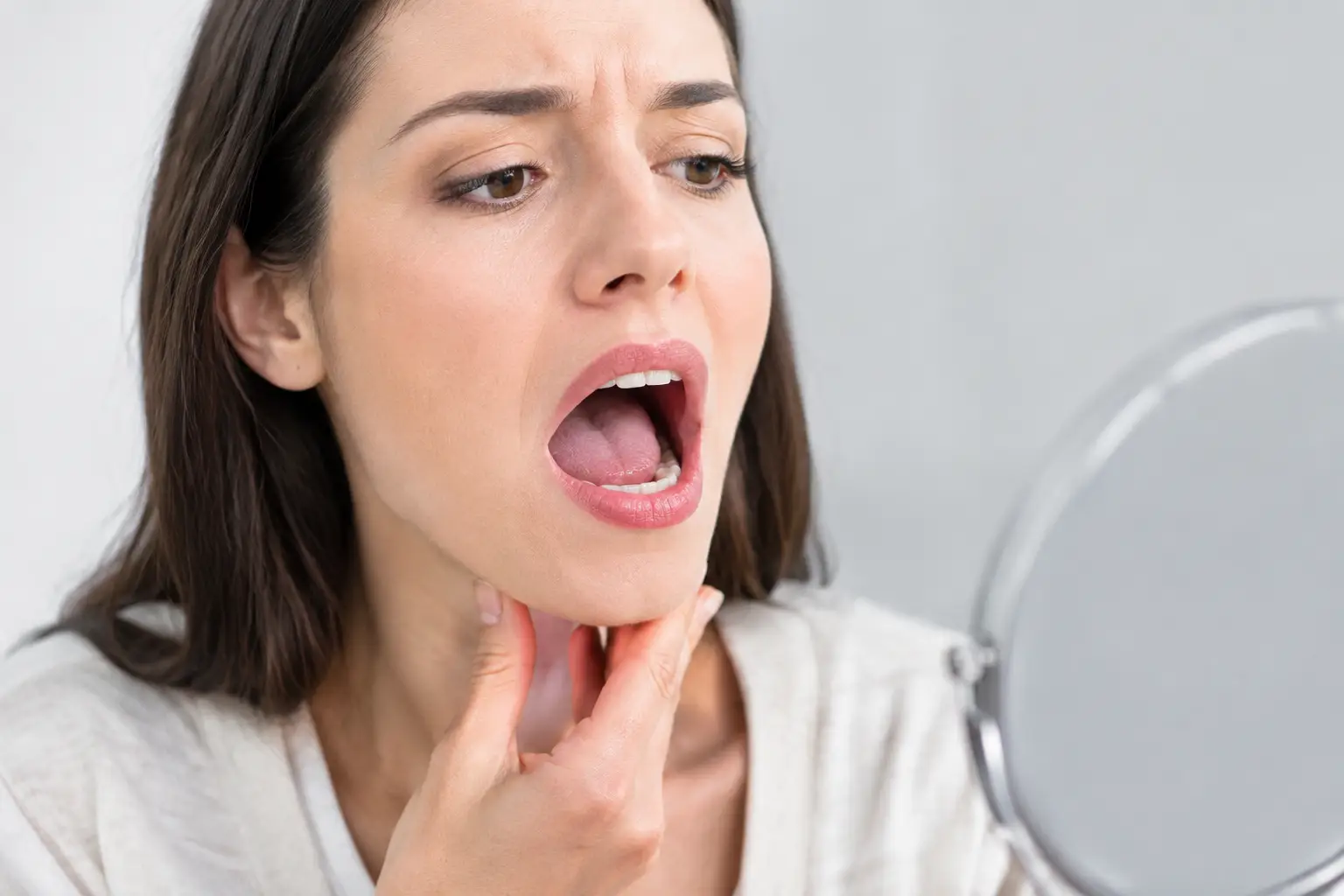
A sore in your mouth that has not healed after two weeks can be easy to dismiss. It may seem like a bite injury, a canker sore, or irritation from a sharp tooth. But persistent changes are among the signs of oral cancer that deserve a prompt professional exam. Most mouth changes are not cancer, yet waiting too long can make treatment more complicated if cancer is present.
Oral cancer can affect the lips, tongue, cheeks, gums, floor of the mouth, roof of the mouth, and throat. It can happen to people of many ages and backgrounds, including people who do not smoke. Knowing what to watch for helps you act early without assuming the worst.
Signs of Oral Cancer to Watch For
Oral cancer does not always hurt in its early stages. That is one reason routine dental visits matter: your dentist can examine areas that are difficult for you to see clearly at home. Between appointments, pay attention to a change that does not resolve, gets larger, bleeds easily, or feels different from the tissue around it.
A sore, ulcer, or irritated area that lasts longer than two weeks is one of the most common concerns. A canker sore usually heals on its own. A spot that stays in place, keeps returning in the same location, or has a firm edge should be checked.
Changes in color also deserve attention. White patches, known as leukoplakia, and red patches, known as erythroplakia, can have many causes, including irritation or infection. Still, a persistent patch should never be self-diagnosed. Red-and-white mixed areas may also need an examination.
Other possible signs include a lump, thickening, rough patch, or crusted area on the lip or inside the mouth. You may notice unexplained bleeding, numbness, tenderness, or pain in the mouth, face, jaw, or neck. Some people feel as though something is caught in their throat or develop a persistent sore throat or hoarse voice.
Changes in everyday function can be especially meaningful. Tell your dentist or physician if chewing, swallowing, speaking, or moving your jaw or tongue has become difficult or painful. A tooth that feels loose without an obvious dental reason, a denture that suddenly fits poorly, or swelling in the jaw can also call for an evaluation.
Swollen lymph nodes in the neck can occur with many common illnesses, but a neck lump that persists should be assessed. The same is true for unexplained weight loss, although this symptom is less specific and can have many medical causes.
When a Mouth Sore Needs More Than Time
It is reasonable to monitor a small mouth injury for a short period when you know the cause, such as accidentally biting your cheek. Remove the source of irritation when possible, avoid foods that aggravate the area, and give the tissue time to heal.
The two-week guideline is useful because normal oral tissues tend to heal quickly. If a sore, patch, lump, or unexplained pain has not improved after two weeks, schedule an exam. Contact a dental or medical professional sooner if the area is growing, bleeding, causing significant pain, interfering with swallowing or breathing, or accompanied by a neck mass.
Do not try to treat a persistent spot with home remedies alone. Saltwater rinses and over-the-counter products may soothe discomfort, but they cannot determine why a lesion is there. A careful evaluation provides clarity and can rule out other common causes, such as trauma, infection, inflammation, or a dental problem.
Who Has a Higher Risk?
Anyone can develop oral cancer, but certain factors raise the likelihood. Tobacco use, including cigarettes, cigars, chewing tobacco, and vaping products that irritate oral tissues, is a major concern. Heavy alcohol use also increases risk, and the combination of tobacco and alcohol is more harmful than either habit alone.
Human papillomavirus, or HPV, is associated with many cancers of the throat area, particularly the base of the tongue and tonsils. Long-term sun exposure can increase the risk of lip cancer. Age, a weakened immune system, and a personal history of certain cancers may also affect risk.
Risk factors are helpful context, not a reason to dismiss symptoms in someone who does not have them. A healthy lifestyle lowers risk, but it does not replace regular exams or prompt attention to a persistent change.
What Happens During an Oral Cancer Screening?
An oral cancer screening is usually quick, comfortable, and part of a comprehensive dental examination. Your dentist will look at your lips, cheeks, gums, tongue, palate, and the floor of your mouth. They may gently feel the tissues of your mouth, jaw, and neck for unusual lumps, thickened areas, or tenderness.
If an area looks suspicious, the next step depends on what is found. Your dentist may first address a likely irritant and recheck the tissue after healing time. In other cases, imaging, a referral to a specialist, or a biopsy may be recommended. A biopsy is the only way to confirm whether abnormal cells are cancerous.
That recommendation can feel frightening, but it is not a diagnosis. It is a careful step toward answers. Early evaluation often means more treatment options and can help protect speech, swallowing, appearance, and overall health.
How Regular Dental Visits Support Early Detection
Dental checkups are about more than cleaning teeth. During a routine visit, your dental team has an opportunity to look for subtle tissue changes you may not notice. This is especially helpful for areas under the tongue, along the sides of the tongue, and toward the back of the mouth.
At Dental Care of Plano, Dr. Banerjee and the team take a whole-mouth approach to care. If you have noticed a sore, patch, lump, or change in how your mouth feels, mention it when you schedule. A focused exam can be arranged, and you will be treated with the same calm, respectful attention given to every member of the family.
If you use tobacco, drink alcohol regularly, have HPV-related risk factors, or spend substantial time in the sun, talk openly with your dentist about your health history. The conversation is private, judgment-free, and useful for deciding how often you may benefit from screening.
Steps You Can Take Between Visits
A monthly self-check can help you become familiar with your normal oral tissues. In good lighting, look at your lips, gums, cheeks, tongue, and the roof and floor of your mouth. Notice whether there are new white or red patches, sores, swelling, or areas that look uneven. Gently feel for lumps if you are comfortable doing so.
Avoid tobacco in all forms, limit alcohol, use lip balm with sun protection when outdoors, and keep up with preventive dental care. If you wear dentures, make sure they fit well. Ongoing rubbing or pressure should be corrected, even though irritation itself does not mean cancer.
Most oral changes have a benign explanation. The goal is not to create worry over every sore spot. It is to take your body seriously when a change lingers. A timely exam can replace uncertainty with a clear plan, and that is always a worthwhile reason to make the call.