
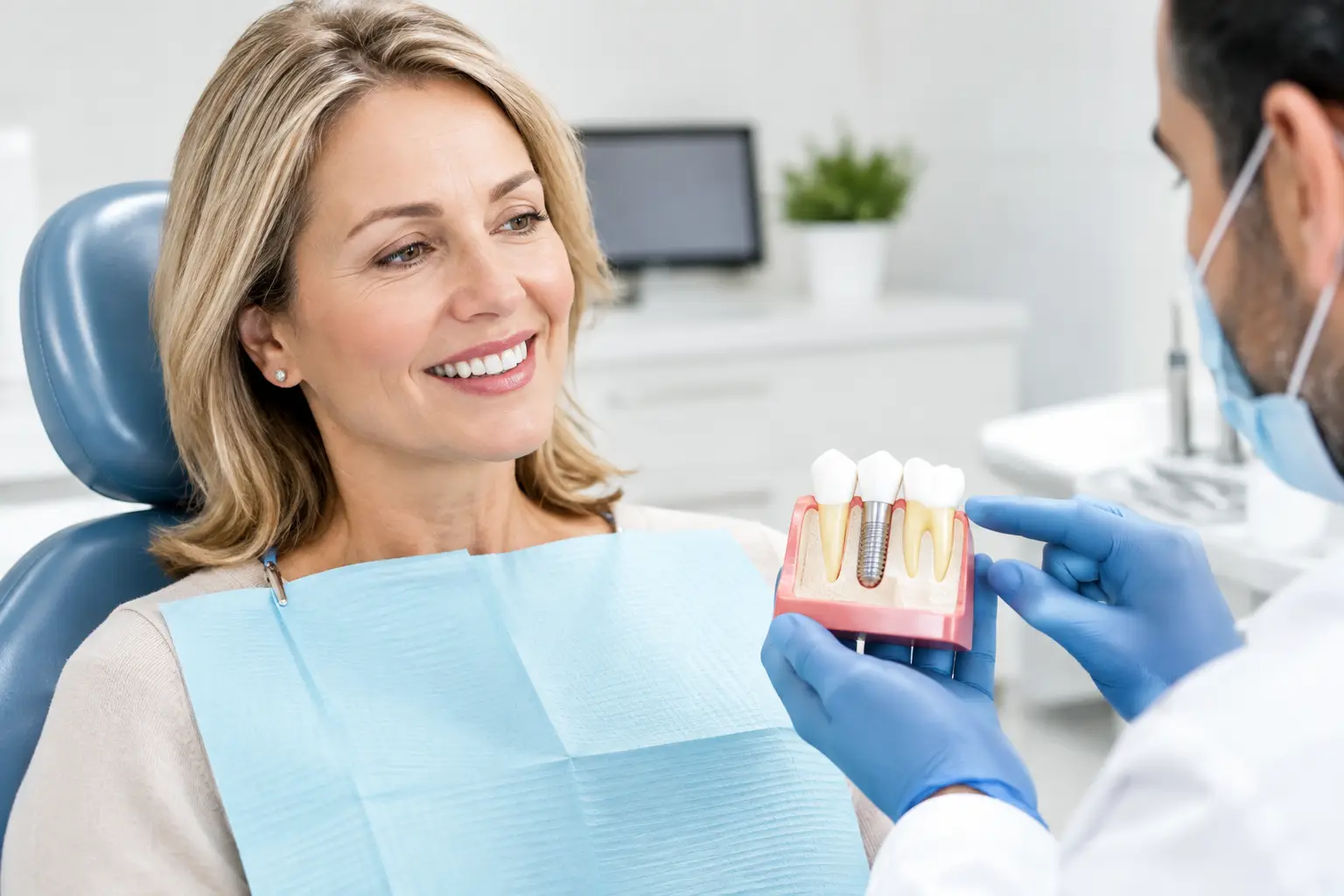
A dental implant is more than a replacement tooth. It is a long-term investment in how you eat, speak, smile, and care for your oral health. Knowing how to prepare for dental implants can make the process feel far less overwhelming, especially when you understand what your dentist is evaluating and what you can do before treatment begins.
Implant treatment is carefully planned around your health, your jawbone, and your goals. Some patients are ready to move forward after a straightforward evaluation. Others may need to address gum disease, replace a failing tooth, or allow an extraction site to heal first. Neither path is unusual. Thoughtful preparation helps create the healthiest foundation for a lasting result.
Start With a Complete Implant Consultation
Your first visit is where the real planning begins. Your dentist will examine your teeth, gums, bite, and the area where the implant will be placed. Modern imaging may be used to look beneath the gumline and assess the height, width, and quality of the jawbone. This allows your care team to plan implant placement precisely and identify potential concerns before treatment.
Use this appointment to explain what matters most to you. You may be replacing one tooth, considering an implant-supported bridge, or looking for a more stable alternative to a removable denture. Your treatment plan should reflect your smile goals, timeline, comfort needs, and budget.
This is also the right time to ask practical questions. Find out whether your treatment will be completed in stages, how long healing may take, what type of restoration will sit on the implant, and whether sedation is appropriate for you. A clear plan makes it easier to arrange time off work, childcare, and transportation if needed.
Get Your Mouth Ready Before Implant Placement
A dental implant needs healthy surrounding tissue. If you have active gum disease, untreated decay, or an infection near the planned implant site, those issues should be managed before surgery. Placing an implant into an unhealthy environment can affect healing and long-term stability.
For some patients, preparation may include a professional cleaning, periodontal treatment, a root canal, or removal of a damaged tooth. If a tooth must be extracted, your dentist will determine whether the implant can be placed at the same visit or whether the area should heal first. The right approach depends on factors such as infection, bone condition, and the position of the tooth.
Bone grafting may also be recommended when the jawbone needs additional support. This can sound intimidating, but it is a common step that helps create a stronger base for an implant. It can extend the overall timeline, yet it may improve the predictability of your result. Your dentist should explain why a graft is or is not needed in your specific case.
Share Your Full Health History
Your oral health and overall health are connected, so be open about medications, medical conditions, and past procedures. Bring an updated list of prescriptions, over-the-counter medicines, vitamins, and supplements to your consultation.
Conditions such as diabetes, autoimmune disorders, osteoporosis, or a history of radiation therapy may influence the timing or planning of implant treatment. They do not automatically mean implants are not an option. They simply require careful coordination and, in some cases, communication with your physician.
Be especially sure to mention blood thinners and medications used for bone health. Do not stop or change any medication on your own. Your dentist and physician can guide you on what is safe before surgery.
Make Habits That Support Healing
If you smoke or use tobacco, talk honestly with your dentist about it before starting implant treatment. Tobacco use can reduce blood flow to the gums and interfere with healing, increasing the chance of complications. Cutting back is helpful, but stopping before and after surgery gives your implant the best opportunity to integrate with the bone.
Good daily home care matters, too. Brush twice daily with a soft toothbrush, clean between your teeth, and follow any personalized hygiene recommendations from your dental team. An implant cannot get a cavity, but the gums and bone around it still need protection. Keeping your mouth clean before treatment supports a healthier recovery afterward.
Nutrition can make a difference as well. Aim for regular meals with adequate protein, fruits, vegetables, and water. If you know you will be on a softer-food diet immediately after surgery, stock your kitchen ahead of time with options such as yogurt, eggs, oatmeal, soups that are not too hot, mashed vegetables, smoothies eaten with a spoon, and soft fish. Avoid using a straw unless your dentist tells you it is safe, particularly if an extraction is part of your treatment.
Plan the Financial and Scheduling Details Early
Dental implants are a multi-step treatment, and the final cost can vary based on your needs. A single implant may involve the surgical implant, a custom abutment, and a crown. Additional services, such as an extraction, bone graft, temporary tooth, or sedation, can also affect the estimate.
Ask for a written treatment plan that clearly separates the recommended steps and anticipated fees. If you have PPO dental insurance, ask what portion may be covered and whether there are annual maximums or waiting periods to consider. For uninsured patients or those managing a monthly budget, ask about financing options before treatment begins. Clear financial conversations should happen before, not during, care.
It also helps to think through your calendar. Many people return to normal activities quickly after implant surgery, but it is wise to allow a lighter schedule for the day of treatment and the following day. If your job is physically demanding, your dentist may recommend more recovery time. At Dental Care of Plano, flexible scheduling and a complete range of dental services can help make this planning easier for busy families and working adults.
How to Prepare for Dental Implant Surgery Day
Follow the instructions your dentist provides, even if they differ from advice you have read elsewhere. Your preparation will depend on whether you are having local anesthetic only or receiving sedation.
If sedation is planned, you may need to avoid food and drink for a certain period beforehand. You will also need a trusted adult to drive you home and stay available afterward. Wear comfortable clothing, avoid heavy makeup or strong fragrances, and arrive early enough that you do not feel rushed.
For local anesthetic-only appointments, a light meal beforehand is often appropriate unless your dentist gives different instructions. Skip alcohol before surgery, and ask whether you should avoid caffeine if you are prone to anxiety. Take prescribed antibiotics, anti-inflammatory medication, or other pre-treatment medication exactly as directed.
Before leaving home, make sure you have these basics ready: your identification and insurance information, a current medication list, a ride home if sedation is used, soft foods for recovery, and any prescribed medication picked up from the pharmacy. A little preparation prevents an unnecessary errand when you should be resting.
Prepare Your Home for a Comfortable Recovery
Set up a calm recovery space before your procedure. Have clean gauze, a cold pack, water, soft foods, and pillows nearby. Plan to rest with your head slightly elevated during the first night if your dentist recommends it.
Mild swelling, tenderness, and small amounts of bleeding can be expected after implant surgery, particularly when an extraction or graft is involved. Use cold packs as directed, take medications on schedule, and avoid strenuous exercise for the period your dentist recommends. Do not poke the surgical area with your tongue or fingers, and avoid vigorous rinsing during the first stage of healing.
Your dentist will give you individualized instructions about brushing, rinsing, eating, and follow-up visits. Follow them closely, even if you feel fine. The implant needs time to heal and bond with the jawbone, a process called osseointegration. Depending on your situation, the final crown may be placed after several months of healing, or your dentist may discuss a different timeline.
Call your dental office if pain becomes severe or worsens after improving, bleeding does not slow with directed care, swelling increases significantly after a few days, or you develop fever or other concerning symptoms. Prompt communication allows your team to help early.
A well-planned implant journey is not about rushing to the finish line. It is about giving your smile the care, time, and support it deserves so you can move forward feeling comfortable and confident.