
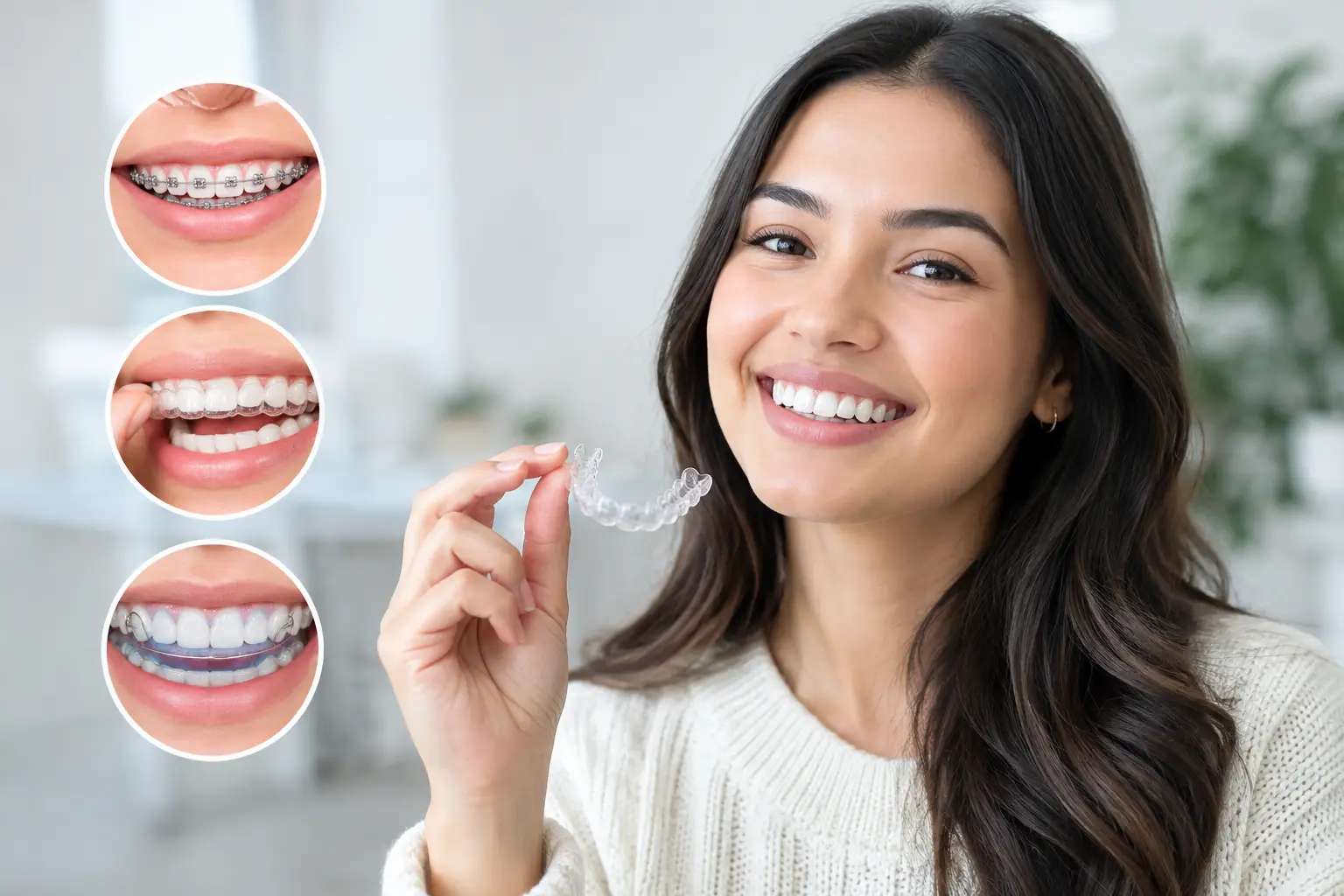
A slightly crooked tooth may be something you notice in every photo. For someone else, crowded lower teeth can make flossing frustrating, while a bite that does not meet comfortably may cause daily wear on the enamel. The best ways to straighten teeth depend on more than appearance. Your bite, gum health, age, lifestyle, treatment goals, and budget all help determine which approach makes sense.
A personalized exam is the safest place to start. Straightening teeth moves them through living bone, so the right treatment should protect the health and function of your smile while improving its appearance. At Dental Care of Plano, Dr. Banerjee and our team take time to understand what you would like to change and explain options in clear, comfortable terms.
Best Ways to Straighten Teeth: Start With the Right Diagnosis
Before choosing braces, aligners, or a cosmetic alternative, your dentist should look beyond the front teeth. Digital images, X-rays, and an examination can reveal crowding below the gumline, bite concerns, old dental work, gum inflammation, or teeth that have shifted after earlier orthodontic treatment.
Healthy gums are especially important. If plaque buildup or periodontal disease is present, treating it first can help create a stable foundation for tooth movement. In some cases, a missing tooth, a damaged crown, or a jaw-related bite problem changes the recommended sequence of care.
This is also the time to discuss what success looks like to you. Some patients want a complete bite correction. Others are focused on a few visible teeth before a wedding, job change, or family event. Both goals are valid, but they may call for different treatment plans and timelines.
Clear Aligners for a Discreet, Flexible Option
Clear aligners use a series of custom-made trays to gradually guide teeth into position. They are popular with working adults and older teens because they are nearly invisible and can be removed for meals, brushing, and flossing.
For mild to moderate spacing, crowding, or relapse after previous braces, aligners can be an excellent choice. They are often comfortable because there are no brackets or wires rubbing against the cheeks. Many patients also appreciate being able to continue enjoying their usual foods without the restrictions that come with braces.
The trade-off is consistency. Aligners generally need to be worn about 20 to 22 hours each day. Taking them out frequently, forgetting to switch trays as instructed, or losing a tray can slow progress. They may not be the ideal solution for every complex bite or significant tooth rotation, although modern aligner systems can treat a wider range of concerns than many people expect.
Clear aligners work best for patients who want flexibility and feel confident they can follow the wearing schedule. Regular check-ins allow the dental team to make sure movement is progressing safely and predictably.
Traditional Braces for Precise Tooth Movement
Traditional braces remain one of the most reliable ways to correct more involved alignment and bite concerns. Brackets are attached to the teeth and connected by wires that are adjusted over time. Because braces stay in place, they provide steady control without relying on a patient to remember to wear removable trays.
Braces can be especially helpful for significant crowding, teeth that need to be moved vertically, complex rotations, and certain bite problems. They are a practical choice for younger patients as well as adults who want comprehensive correction.
The main adjustment is daily care. Food can collect around brackets and wires, so thorough brushing, flossing tools, and routine dental visits matter. Hard, sticky, and chewy foods may need to be avoided to prevent broken brackets. Some tenderness after adjustments is normal, but it is usually temporary and manageable.
For patients who value the most controlled approach to a complex case, braces may offer the best balance of results and reliability. The treatment is visible, but the long-term benefit can be a healthier bite that is easier to maintain.
Cosmetic Bonding and Veneers: When They Can Help
Not every smile concern requires orthodontic movement. Cosmetic bonding can reshape a small chipped edge, close a minor gap, or make a slightly uneven tooth look more balanced. Veneers can change the visible shape, color, and proportion of selected front teeth.
These options can create a faster cosmetic improvement in the right situation, but they do not actually straighten the roots of teeth or correct a bite. Veneers also require removing a small amount of enamel and are a long-term commitment. For that reason, they should not be used as a shortcut when true alignment treatment would better protect the teeth and gums.
Conservative care means considering whether a small amount of orthodontic treatment could improve alignment before cosmetic work is completed. In some smile makeover plans, teeth are straightened first so less reshaping is needed later.
Retainers Protect Your Investment
Teeth naturally tend to shift throughout life, even after excellent orthodontic treatment. A retainer is what helps hold your new alignment while surrounding bone and tissues adapt. Skipping retainers is one of the most common reasons adults find themselves seeking treatment for teeth that have moved again.
Your care team will recommend a retainer schedule based on your treatment and needs. Some patients wear a retainer full-time at first and then transition to nighttime wear. Others may need a more individualized plan. The key is making retention part of your routine, just like brushing and flossing.
If you had braces years ago and your teeth have shifted, do not assume you need to repeat a full course of treatment. Limited aligner treatment may be enough for mild relapse. An exam can show what is realistically possible.
Choosing an Option That Fits Your Daily Life
The best treatment is not simply the fastest or least visible one. It is the option that can deliver healthy, stable results while fitting your needs. Consider how much time you can commit to appointments, whether you can wear aligners consistently, how important removability is, and whether your bite needs more detailed correction.
Cost matters, too. Treatment fees vary with the complexity and length of care. Insurance benefits may help in some cases, and financing can make monthly payments more manageable. Asking for a clear treatment estimate before beginning helps you plan with confidence. A good office should be open about what is included, from records and progress visits to retainers and any needed follow-up.
Comfort should never be overlooked. If dental anxiety has kept you from asking about orthodontic care, let the team know. A gentle, patient-centered approach can make consultations and routine visits feel far more manageable. Flexible appointment times can also make treatment easier to coordinate around work, school, and family responsibilities.
A Straight Smile Should Also Be a Healthy Smile
A straighter smile can make brushing and flossing easier, reduce food traps, and give you more confidence when you speak or laugh. Still, the goal is not a copy-and-paste smile. It is an alignment plan that respects your natural features, supports a comfortable bite, and is realistic for your life.
If you are considering braces, clear aligners, or a cosmetic solution, schedule a consultation and bring your questions. The right plan begins with being heard, understanding your choices, and taking one comfortable step toward a smile you will feel good caring for every day.